98% of Breast Cancer Survivors Safely Stop Heart Medication After Treatment, Study Finds
Introduction
For many breast cancer survivors, the battle doesn't end with remission. Life-saving treatments, particularly targeted therapies like Trastuzumab (Herceptin) for HER2-positive cancers, can unfortunately lead to significant heart problems. Historically, survivors whose heart function declined due to these treatments were advised to remain on heart medication indefinitely, a prospect that carried its own burden of side effects and daily anxiety. However, new research presented at the European Society of Cardiology Congress in Munich offers a beacon of hope, suggesting that many of these survivors may no longer need lifelong cardiac support.
Key Details
- A study involving 90 women with recovered heart function after HER2-targeted breast cancer therapy found that 98% could safely stop their heart medication.
- After one year, 98% of women who ceased medication showed no decline in heart function. Only one participant experienced a minor, asymptomatic decrease picked up on an MRI, which resolved upon restarting medication.
- Survivors who stopped medication reported a slightly better quality of life compared to those who continued, based on heart failure questionnaires.
- The trial, funded by the British Heart Foundation and supported by the National Institute for Health and Care Research, involved participants from four UK hospitals.
- Participants were aged around 50, with heart function issues diagnosed during or after HER2-targeted treatment.
Background
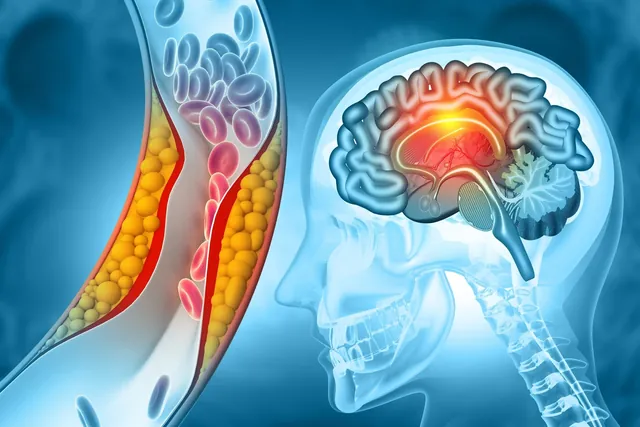
Breast cancer, the most common cancer in the UK, sees nearly 60,000 new diagnoses annually. A significant subset, approximately 15-20%, are HER2-positive. Treatments like Trastuzumab are highly effective against these cancers but can cause cardiac dysfunction in about 10% of patients. This often necessitates lifelong use of medications such as beta-blockers and ACE inhibitors to manage or prevent heart failure. The prospect of lifelong medication, even after the cancer is in remission and the heart has seemingly recovered, presents a considerable challenge for survivors, impacting their physical well-being and mental health.
“Our study provides the first evidence that heart failure therapies can be safely stopped in survivors whose hearts have recovered, with the support of ongoing close monitoring. We hope these findings will be encouraging for survivors and their doctors, giving hope for a future free from treatment.” - Professor Charlotte Manisty, University College London
Impact Analysis
The study's findings have profound implications. The high success rate of safely discontinuing heart medication—98%—suggests that the current default approach of lifelong treatment may be overly cautious for many. This could liberate thousands of survivors from the burden of daily medication, mitigating potential side effects like low heart rate and fatigue, and reducing the constant worry associated with adherence. Lucy Shepherd, a trial participant, shared her experience: “Being part of the trial and having the chance to come off my heart medication has definitely improved my life... It has helped me to trust my body again - I feel strong and I know I can take on new challenges now.” Her sentiment highlights the significant psychological benefit of no longer being tethered to medication, allowing survivors to reclaim a sense of normalcy and well-being.
Broader Context
This research emerges at a time when cancer survivorship is increasingly recognized as a critical area of healthcare. As treatments become more effective, the long-term consequences for patients, including cardiovascular complications, demand greater attention. The study underscores the importance of personalized medicine and shared decision-making between patients and clinicians. While the results are highly encouraging, the one participant who experienced a decline in heart function serves as a crucial reminder of the necessity for careful monitoring. This highlights that while lifelong medication might not be necessary for most, continued vigilance and regular check-ups remain paramount.
Future Outlook
The women in the trial will continue to be monitored for five years, providing longer-term data on the sustainability of these findings. Further research could explore specific biomarkers or imaging techniques to better identify which survivors are at the lowest risk of cardiac decline upon medication withdrawal. The European Heart Journal publication signifies the study's robust methodology and its potential to influence clinical guidelines. The hope is that these results will initiate more open conversations between oncologists, cardiologists, and survivors, leading to tailored treatment plans that balance cancer control with long-term cardiovascular health and quality of life.
Conclusion
This pioneering study offers compelling evidence that many breast cancer survivors who developed heart problems due to treatment can safely stop their cardiac medications once their heart function has recovered. The finding that 98% of participants maintained stable heart health and reported improved quality of life challenges the long-standing practice of prescribing lifelong heart medication. While careful monitoring is essential, this research provides a tangible pathway towards reducing treatment burdens and enhancing the long-term well-being of countless cancer survivors, offering them a chance at a life less defined by medication.
Source: news-medical.net