Chimpanzee Pierre Regains Sight After Specialized Cataract Surgery
Introduction
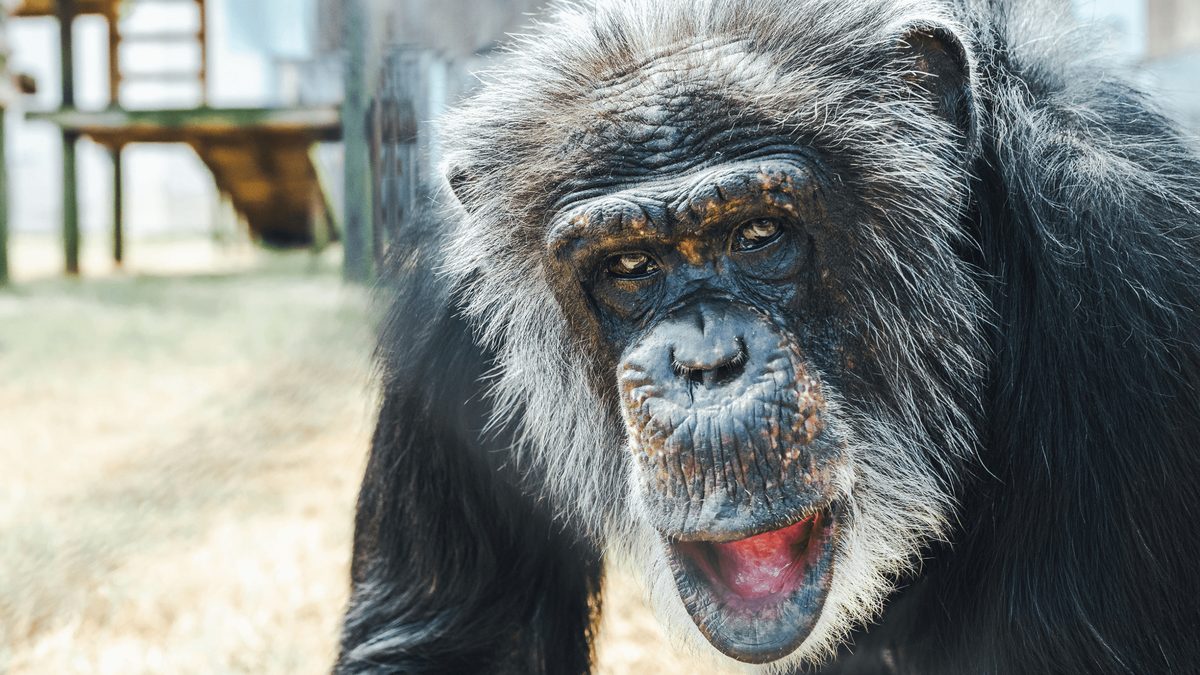
In a remarkable feat of veterinary medicine and animal care, a 54-year-old chimpanzee named Pierre has had his sight restored after undergoing specialized cataract surgery. Pierre, a resident of Chimp Haven, a renowned sanctuary in Louisiana dedicated to providing a home for chimpanzees retired from biomedical research, was completely blind due to cataracts. The successful surgery has not only given him back his vision but has also dramatically enhanced his ability to navigate his environment, participate in enriching activities, and reintegrate socially with his chimpanzee companions.
Key Details
- Patient: Pierre, a 54-year-old male chimpanzee (Pan troglodytes).
- Condition: Complete blindness due to cataracts.
- Procedure: Cataract surgery involving the replacement of the cloudy natural lens with an artificial intraocular lens.
- Location: Chimp Haven, Louisiana, the world's largest chimpanzee sanctuary.
- Preparation: Months of specialized positive reinforcement training to prepare Pierre for post-operative care, including teaching him to present his eyes for medication and monitoring.
- Surgery Team: Performed by board-certified veterinary ophthalmologist Dr. Kenneth Pierce.
- Outcome: Successful restoration of functional sight within hours of the surgery. Pierre began watching movies and reunited with his social group sooner than anticipated.
- Caregiver: Longtime trainer Mary Reininger, who has cared for Pierre for over 25 years.
Background
Cataract surgery is a routine and highly successful procedure in human medicine, typically involving the replacement of the clouded lens of the eye with a clear, artificial one. However, extending such complex procedures to non-human primates presents unique challenges. Pierre's case highlights the intricate planning and specialized training required to ensure the well-being and successful recovery of an animal undergoing such a delicate operation. Unlike humans, chimpanzees cannot easily communicate discomfort or follow complex post-operative instructions without significant preparation.
Chimp Haven, where Pierre resides, is a critical facility for chimpanzees who have spent their lives in research settings. These animals often require specialized care tailored to their past experiences and potential health issues. The sanctuary’s commitment to enhancing the quality of life for its residents is exemplified by the decision to pursue this challenging surgery for Pierre.
The Procedure and Training
The journey to restoring Pierre's sight began long before the operating room. According to a statement provided to Popular Science, months were dedicated to preparing Pierre for the surgery and, crucially, for the recovery period. His longtime trainer, Mary Reininger, employed positive reinforcement techniques, building on Pierre's existing familiarity with her and her cues. Using audio signals, a soft bamboo stick for guidance, and his favorite treats, Reininger trained Pierre to voluntarily present his eyes for examination and the administration of post-operative eye drops. He learned to hold his face steady against the enclosure’s safety mesh with his eyes open, a vital step that ultimately gained him approval for the surgery.
“Watching Pierre look at me again was something I will never forget,” Reininger said. “We know these chimpanzees incredibly well, and every part of Pierre’s care has been about helping him continue doing the things that matter to him. Seeing him recognize familiar faces, enjoy his favorite activities and get back to his group made all of that preparation worth it.”
The surgery itself was performed by Dr. Kenneth Pierce, a board-certified veterinary ophthalmologist. The approximately one-hour procedure was deemed a success, restoring functional vision to the chimpanzee.
Impact Analysis
The immediate impact of the surgery on Pierre's life has been profound. Within hours of regaining consciousness, he was visually responsive, even watching one of his favorite movies. This rapid adaptation underscores the effectiveness of the surgery and Pierre's inherent capacity to reintegrate sensory input. Within days, he was reunited with Jill, a close chimpanzee companion, and subsequently rejoined his larger social group much earlier than his care team had anticipated. This swift social reintegration is a testament to his restored mobility and confidence.
For a chimpanzee, sight is crucial for survival and social interaction. In the wild, blindness severely compromises an individual's ability to find food, navigate complex environments, avoid predators, and maintain social bonds. While Pierre lives in a sanctuary, the restoration of his sight significantly improves his daily quality of life, allowing him to engage more fully with his enriched environment and his fellow chimpanzees. It enables him to climb more confidently, participate in activities he previously couldn't, and manage his social dynamics more effectively.
Broader Context
Pierre's story sheds light on the increasing sophistication of veterinary care for non-human primates in sanctuary settings. As animals like Pierre age and develop conditions common in humans, such as cataracts, sanctuaries are increasingly seeking advanced medical interventions. This case demonstrates a commitment to providing not just basic care, but also specialized treatments that can dramatically improve an animal's well-being and longevity. The success of this surgery also underscores the importance of interdisciplinary collaboration between veterinarians, ophthalmologists, and animal behaviorists/trainers.
Future Outlook
The success of Pierre's cataract surgery opens doors for similar interventions for other primates with visual impairments. It validates the intensive training protocols and advanced surgical techniques that can be applied in a sanctuary setting. As veterinary ophthalmology advances, more animals in sanctuaries may benefit from procedures that restore or improve their vision, allowing them to live richer, more fulfilling lives. Chimp Haven's experience will likely serve as a valuable case study, encouraging other institutions to explore similar possibilities for their residents.
Conclusion
Pierre the chimpanzee's journey from blindness to sight is a powerful example of how dedicated care, advanced veterinary medicine, and innovative training can overcome significant health challenges. His restored vision has not only improved his personal quality of life but also highlights the evolving standards of care in animal sanctuaries. The success of this complex procedure at Chimp Haven offers hope and a potential model for enhancing the lives of other aging primates with similar conditions.
Source: popsci.com