The Rising Threat of Microplastic Contamination: A Shift in Animal Behavior
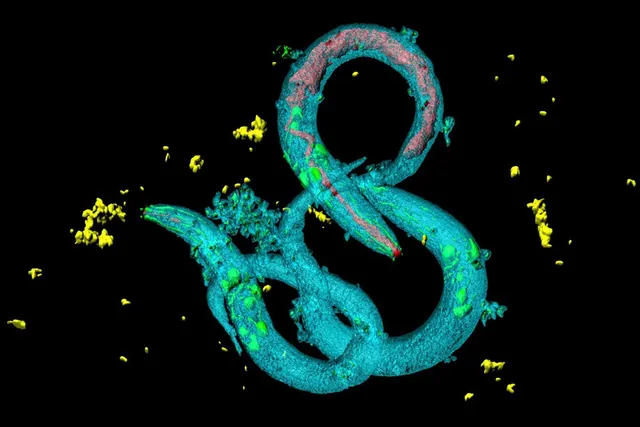
Research shows that nematode worms are increasingly preferring microplastic-laden food, raising concerns about the broader implications for ecosystem health and food chains.
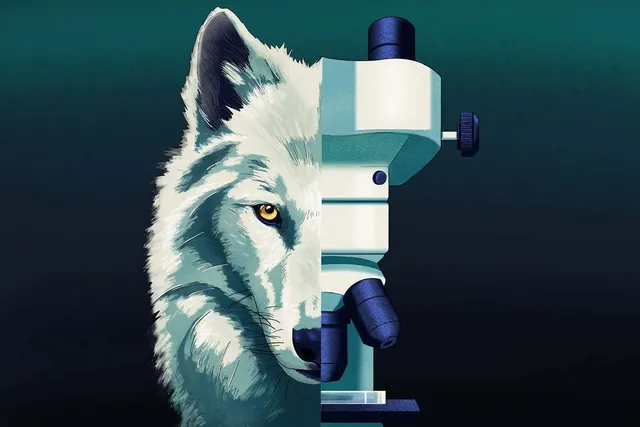
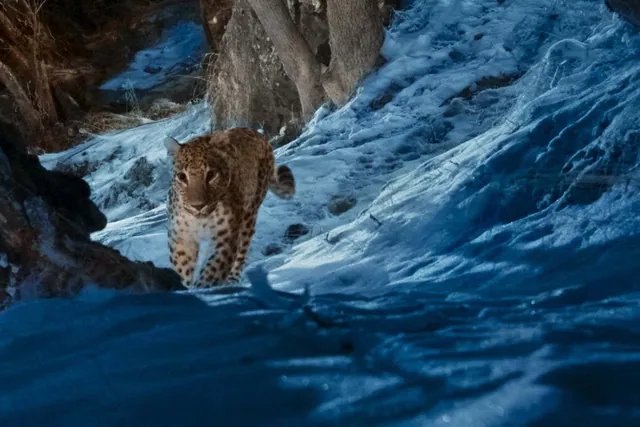
The concept of de-extinction intrigues scientists and the public alike, but significant technical and ethical challenges remain. This article delves into the motivations and implications of resurrecting lost species.
The Wild Ones sheds light on the plight of six endangered species, urging viewers to take action for their preservation. By following wildlife experts, the film emphasizes the urgency of conservation efforts.
The term 'dark empath' has gained traction, but what does it really mean? This article delves into the psychology behind dark empaths, examining their traits and societal impact.
A new study highlights that a mother's age may significantly influence the likelihood of having a boy or girl, challenging the long-held belief that it's a straightforward 50/50 chance.
The proliferation of AI-generated content poses challenges for the integrity of information from the pre-AI internet. Should we safeguard this digital era to ensure authenticity for future research and historical accuracy?
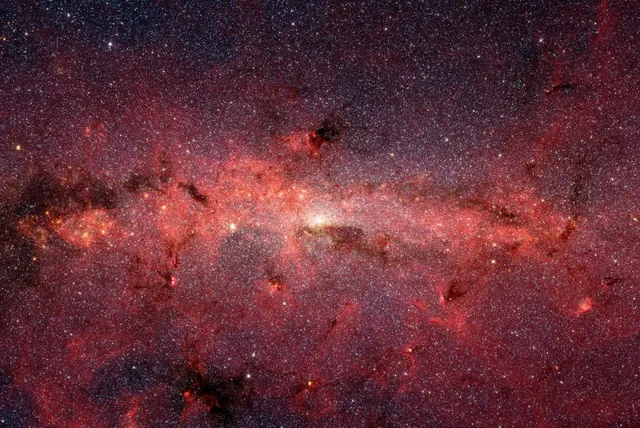
Recent simulations suggest that stars near the Milky Way's center may appear young because they absorb dark matter, providing a potential explanation for their longevity.
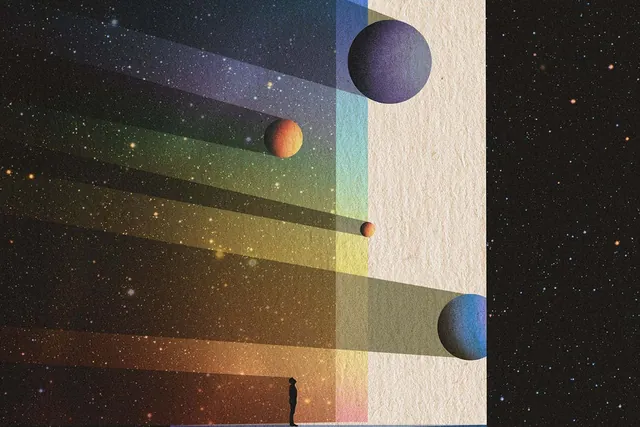
Recent advancements in physics reveal potential new avenues to discover elusive particles, previously thought to be concealed in hidden dimensions of reality.
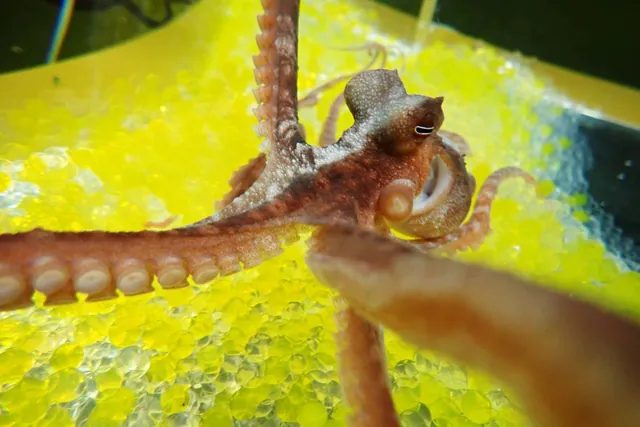
Recent studies reveal that octopuses can be deceived into recognizing a rubber arm as their own, indicating a complex sense of body ownership comparable to humans.