Unveiling the Vibrant Secrets of Songbird Plumage
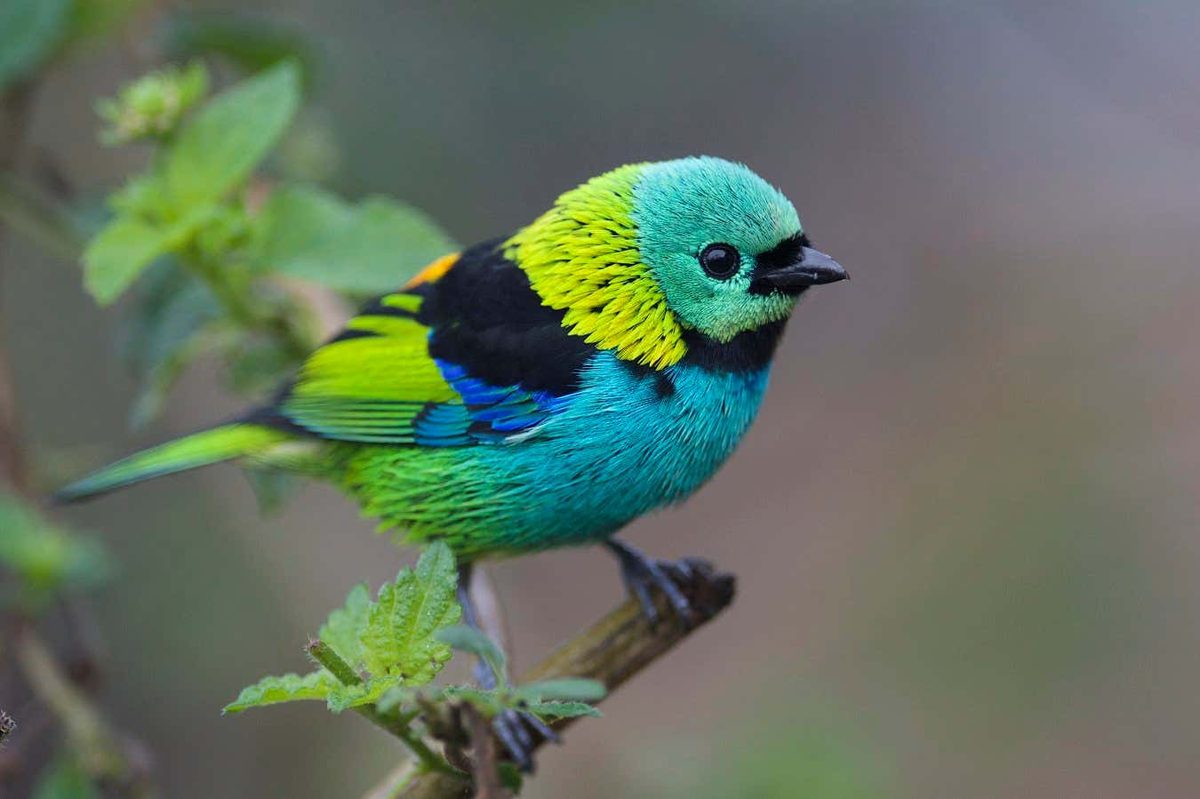
Unveiling the Vibrant Secrets of Songbird Plumage
Introduction
In the world of ornithology, songbirds have long captivated both scientists and birdwatchers alike with their extraordinary colors and melodious tunes. Among these avian wonders, tanagers stand out as some of the most visually stunning species. Recent studies have shed light on the hidden layers of color within their feathers, providing insight into the biological mechanisms that contribute to their dazzling appearance. Understanding these layers not only enhances our appreciation for these birds but also has implications for broader ecological and evolutionary studies.
Key Details
- The research focused on tanagers, a family of birds known for their vibrant plumage.
- Advanced imaging techniques revealed structural colors that exist beyond the surface of the feathers.
- These structural layers manipulate light in ways that enhance color perception, making the birds appear more vivid.
- Understanding these mechanisms could aid in conservation efforts by highlighting the importance of habitat preservation.
- The findings have implications for the study of sexual selection and mate attraction in avian species.
Background
Tanagers are part of the Thraupidae family, which includes a wide variety of species found primarily in Central and South America. Their plumage varies significantly, with some species displaying vibrant yellows, reds, and blues. Traditionally, the colors of feathers were thought to derive solely from pigments. However, researchers have discovered that many birds, including tanagers, also possess structural colors. These are produced through microscopic structures within the feathers that refract and reflect light, creating an iridescent effect that can change depending on the viewing angle.
Analysis
The recent findings regarding the plumage of tanagers highlight a fascinating intersection of biology and aesthetics. The intricate layering of microscopic structures within their feathers allows these birds to exhibit colors that not only serve as camouflage but also play a crucial role in attracting mates. In the competitive world of avian reproduction, males with the most vibrant colors are often favored by females, underscoring the importance of visual signaling in these species. This dynamic has broader implications for our understanding of evolution, particularly in the context of sexual selection. Furthermore, the revelation of these hidden colors adds another layer of complexity to the conservation efforts for these species. As habitats are threatened by human activity, understanding the visual cues that birds rely on for mating and survival becomes paramount. Conservationists can use this knowledge to inform strategies that help preserve not only the birds but also the ecosystems they inhabit.
Conclusion
The study of the hidden layers of color in the plumage of tanagers and other songbirds represents a significant advancement in ornithological research. By uncovering the mechanisms behind their vibrant appearances, scientists have enhanced our understanding of both the biological functions of coloration in birds and the ecological implications of these findings. As we continue to explore the intricate relationships between species and their environments, the captivating beauty of songbirds serves as a reminder of the complexity and wonder of the natural world.