Understanding Ear Popping on Planes: How the Eustachian Tube Equalizes Pressure
Introduction
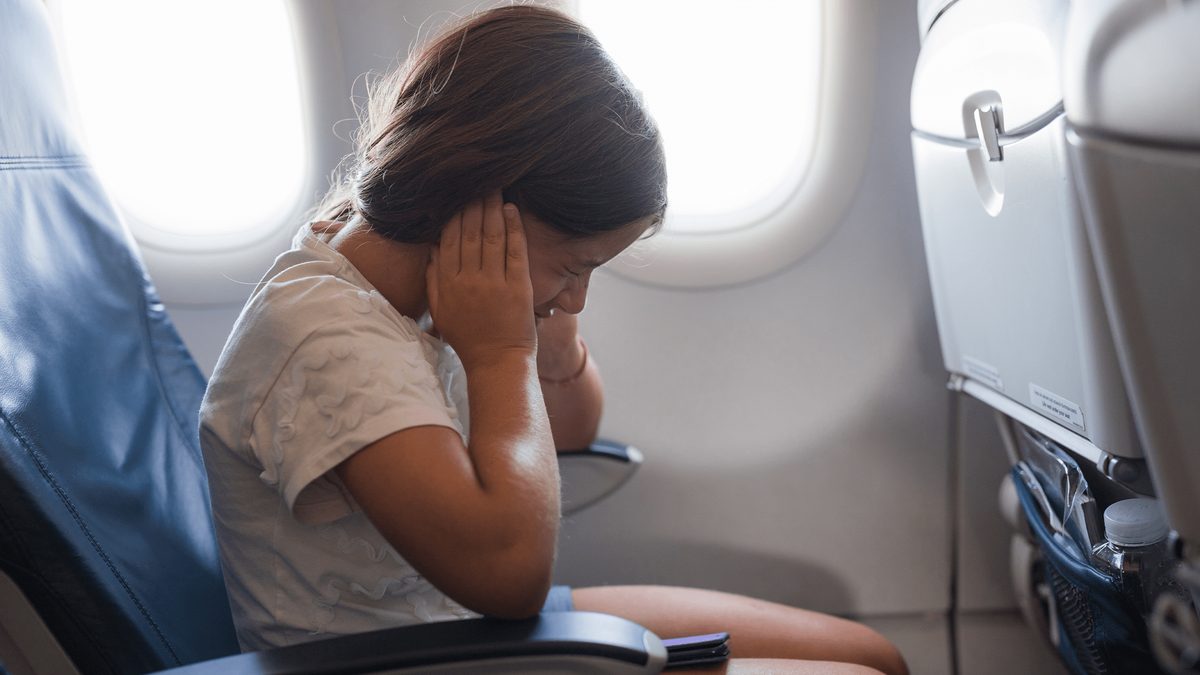
Many air travelers are familiar with the uncomfortable sensation of ears popping during takeoff and landing. While it can be irritating, this phenomenon is a normal, protective bodily process designed to equalize pressure between the inside of your ear and the surrounding environment. Patricia Gaffney, an audiologist and president of the American Academy of Audiology, offers expert insight into why this happens and how passengers can manage the discomfort effectively.
Key Details
- The ear comprises three sections: outer ear (earlobe and canal), middle ear (air-filled cavity with tiny bones and the Eustachian tube), and inner ear (cochlea and vestibular system).
- The Eustachian tube connects the middle ear to the upper throat and regulates pressure differences.
- Rapid altitude changes during flights cause pressure imbalances that the Eustachian tube works to correct by opening, producing the characteristic "pop."
- Common remedies include chewing gum, yawning, sucking on candy, and the Valsalva maneuver to open the Eustachian tube.
- Conditions such as colds or allergies can inflame the Eustachian tube, making pressure equalization more difficult and occasionally causing ear pain or damage.
Background
The anatomy of the ear plays a crucial role in hearing and balance. The outer ear collects sound, while the middle ear transmits vibrations through tiny bones to the cochlea in the inner ear. The middle ear is an air-filled space separated from the external environment by the eardrum. Proper function depends on maintaining balanced air pressure on both sides of the eardrum.
The Eustachian tube serves as a narrow passage between the middle ear and the nasopharynx (upper throat). Its primary function is to equalize air pressure by opening briefly during activities like swallowing, yawning, or talking, allowing air to flow in or out of the middle ear.
During rapid altitude changes, such as in air travel, the external air pressure shifts faster than the pressure inside the middle ear. This discrepancy causes the eardrum to be pushed inward or outward, leading to muffled hearing and discomfort. To resolve this, the Eustachian tube opens suddenly to equalize pressure, which causes the familiar popping sound.
Impact Analysis
While generally harmless, the pressure equalization process can cause discomfort or even pain, especially if the Eustachian tube is inflamed or blocked. Inflammation can occur from colds, allergies, or upper respiratory infections, which restrict the tube’s ability to open and close properly. This blockage can result in a sensation of blocked or "stuck" ears and can impair hearing temporarily.
“If someone with a cold or allergy symptoms flies, the pressure changes during takeoff and landing can make equalizing ear pressure more difficult,” says Gaffney. “In severe cases, when the pressure difference becomes too great and the tube can’t open properly, it may even lead to a ruptured eardrum.”
Fortunately, serious complications like eardrum rupture are rare and typically occur only when underlying conditions are present.
Broader Context
Ear popping is not unique to air travel; similar pressure changes are experienced during scuba diving, mountain climbing, or any activity involving rapid altitude or pressure shifts. Understanding the physiology behind ear pressure equalization is important not only for travelers but also for individuals in professions or hobbies exposed to such environments.
Over-the-counter aids such as EarPlanes—specialized earplugs designed to regulate pressure changes—have been developed to assist with this issue. However, their effectiveness varies among users, and they may not fully replace natural equalization methods like yawning or the Valsalva maneuver.
Future Outlook
Continued education on ear pressure management can improve comfort for travelers and reduce the incidence of pressure-related ear injuries. Advances in medical devices or treatments targeting Eustachian tube dysfunction may offer better solutions for those with chronic problems. For now, simple behavioral techniques remain the most accessible and effective means for most people.
Medical professionals recommend that travelers with colds or allergies consider delaying flights when possible or consult with a healthcare provider for preventive measures such as nasal sprays to reduce inflammation.
Conclusion
Ear popping during flights, though momentarily uncomfortable, is a natural protective mechanism involving the Eustachian tube equalizing pressure between the middle ear and the external environment. Understanding how and why this occurs, along with practical strategies to manage it, can greatly enhance travel comfort.
As Gaffney advises, "Grab some gum, practice your yawns, and let your Eustachian tubes do the job they were designed for." By appreciating this simple yet vital function, travelers can navigate the skies with fewer disturbances and better ear health.