Breakthrough in Surgical Robotics: AI System Performs Autonomous Gallbladder Surgery
Introduction
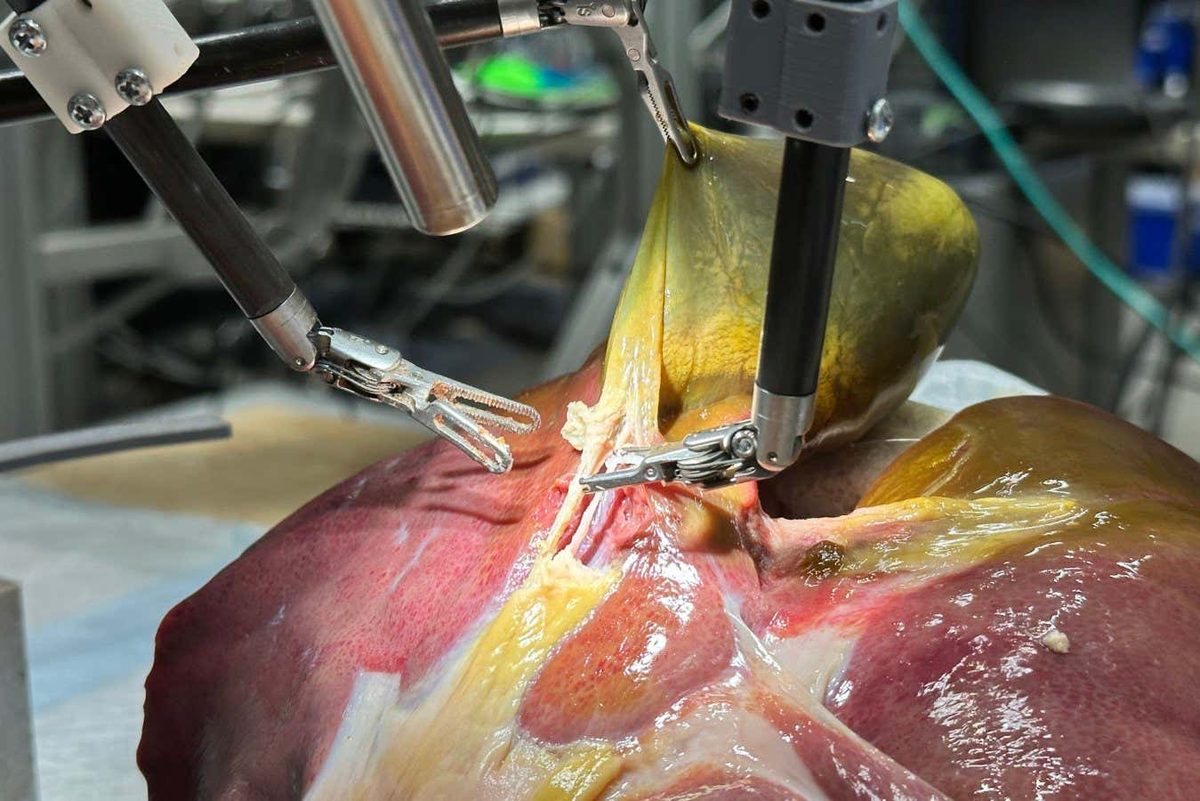
The field of robotic surgery has witnessed a remarkable advancement as an artificial intelligence (AI) system demonstrated the ability to autonomously perform a complex surgical procedure. Researchers have trained an AI on numerous surgical videos, enabling it to guide a surgical robot through gallbladder removal on a dead pig with minimal human intervention. This achievement promises to accelerate the development of fully autonomous surgical robots, which could transform healthcare delivery by improving precision, reducing human error, and increasing access to surgical care worldwide.
Key Details
- The AI system was trained extensively using video footage of gallbladder surgeries performed by human surgeons.
- It successfully directed a robotic surgical platform to perform the procedure on a deceased pig, simulating a real operation.
- Human involvement was limited to initial setup and emergency override functions, highlighting the AI's capability to independently manage the intricate steps of surgery.
- This experiment is one of the first demonstrations of autonomous robotic surgery beyond basic or simulated tasks.
- The research team emphasized safety protocols and ethical considerations while conducting the tests.
Background
Robotic-assisted surgery has been in clinical use for over two decades, with systems like the da Vinci Surgical System enhancing surgeons’ dexterity and visualization. Despite these advancements, the human surgeon remains central to decision-making and control during procedures. The aspiration to develop fully autonomous surgical robots has been driven by the potential to standardize surgical outcomes, reduce variability, and address shortages of skilled surgeons, especially in underserved regions.
Previous AI applications in surgery have largely focused on decision support, anatomical recognition, or assisting with specific actions. However, autonomous navigation and execution of an entire operation have remained largely conceptual until recent progress in machine learning, computer vision, and robotic control.
Analysis
This milestone highlights several important trends. First, the use of AI trained on extensive video data allows systems to learn complex procedural workflows and respond dynamically to variations encountered during surgery. The ability to perform gallbladder removal, a moderately complex laparoscopic procedure, demonstrates that AI-guided robotics can handle tasks requiring fine motor skills and real-time decision-making.
Nevertheless, achieving full autonomy in live human surgeries will require overcoming significant challenges. These include ensuring patient safety in unpredictable scenarios, managing complications, and meeting strict regulatory standards. Additionally, integration with clinical teams, real-time monitoring, and ethical considerations concerning accountability and consent remain critical.
Experts suggest this breakthrough is a promising step, but caution that widespread adoption will require rigorous clinical trials and collaboration between engineers, surgeons, and regulators.
Conclusion
The successful autonomous gallbladder surgery performed by an AI-guided robot represents a pivotal development in the evolution of surgical robotics. While human surgeons will remain central in the near future, this technology has the potential to revolutionize surgical practice, making complex procedures safer, more accessible, and more consistent. Continued research and careful implementation will be essential to realizing the full benefits of autonomous robotic surgery in clinical settings.