UK Airport Drop-Off Charges Under Scrutiny Amidst Third-Price Hike
Introduction
The UK government has announced a comprehensive review of airport drop-off charges following a significant surge in prices across major airports. This move comes in response to growing public frustration and concerns that these fees are becoming increasingly unaffordable, potentially hindering accessible travel for many.
Key Details
- Price Increase: Analysis reveals that drop-off charges at major UK airports have risen by an average of one-third since the summer of 2025.
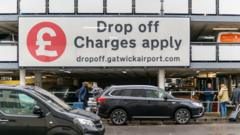
- Most Expensive Airports: Gatwick and Stansted airports now charge £10 for drop-offs, up from £7. Edinburgh Airport's fee increased from £6 to £8.50.
- Other High Charges: Bournemouth, Leeds Bradford, and London City airports all charge £8. London City's £8 charge for a mere five minutes equates to £1.60 per minute, making it the priciest on a per-minute basis.
- Belfast International: Fees have risen by £2 to £5 for a 10-minute drop-off window.
- RAC Survey: Four out of five drivers surveyed by the RAC consider these charges a 'rip-off', with only 10% understanding the rationale behind them.
- Government Stance: The Department for Transport stated the review is vital to ensure travel remains accessible and passengers are treated fairly, urging airports to exercise restraint on price hikes, especially where public transport is limited.
- International Comparison: None of the top 10 busiest airports in the European Union impose drop-off charges, according to the RAC.
Background
The practice of charging for dropping off passengers at airport terminals has become a contentious issue. While the RAC, a prominent motoring organisation, has been a vocal critic, labelling the fees a 'rip-off' and a growing source of driver anger, the airport industry defends the charges as a necessary component of their business model and a tool for managing traffic and pollution.
The RAC's analysis, conducted in July of this year, highlighted the stark increase in these fees. Rod Dennis, senior policy officer at the RAC, expressed that the review is welcome news for drivers who feel unfairly targeted. He noted the significant public perception that these charges are unjustified, indicating a lack of transparency or understanding regarding airport operational costs.
Impact Analysis
The escalating drop-off charges have a direct impact on the cost of travel for individuals and families. For those who rely on private vehicles for airport transfers, particularly when carrying heavy luggage, travelling with young children, or when public transport options are inconvenient or non-existent, these fees represent a significant additional expense. The RAC's findings suggest that this sentiment is widely shared among drivers, who feel the charges are disproportionate to the service provided.
Furthermore, the disparity between UK airports and their European counterparts, where such charges are largely absent, raises questions about the competitiveness and fairness of the UK aviation sector. The RAC argues that international airports should align with common European practice and eliminate these fees.
Broader Context
The debate over airport drop-off charges is intertwined with wider discussions about the cost of living, environmental sustainability, and the regulation of private industries. The government's commitment to reviewing these charges aligns with a broader initiative to address household financial pressures, as evidenced by the recent decision to scrap extra charges for parents sitting with their children on flights.
Airport operators, represented by Airports UK, counter that their situation differs from many European airports, which are often publicly owned and receive subsidies. UK airports, typically privately owned, face commercial rates and taxes. Karen Dee, chief executive of Airports UK, stated that airports provide various transport options, including free drop-off points, and use these charges to manage traffic and reduce air pollution. The Aviation Environment Federation also supports the fees, viewing them as a measure to curb congestion and emissions around airports.
“We know airport drop-off charges are a growing source of anger and frustration. Four-in-five drivers we've surveyed believe they are a ‘rip-off’, with just one-in-10 understanding why airports charge what they do.”
Future Outlook
The government's review is expected to scrutinize the pricing strategies of UK airports, the justification for these charges, and their impact on passengers and the environment. Potential outcomes could include capping price increases, mandating greater transparency, or even encouraging the elimination of charges, particularly at airports with good public transport links. The government's emphasis on fairness and accessibility suggests a leaning towards consumer protection. However, the industry's arguments regarding operational costs and environmental management will also be a key consideration. The outcome of this review could set a precedent for how such charges are managed across the UK's transport infrastructure.
Conclusion
The impending review of UK airport drop-off charges signifies a critical juncture in the ongoing debate between passenger affordability and airport operational realities. With prices having risen substantially and public dissatisfaction mounting, the government's intervention aims to strike a balance. The findings will likely influence future pricing policies and could lead to more equitable and accessible travel experiences for millions of Britons, while also considering the environmental and economic factors cited by the aviation industry.
Source: bbc.co.uk