Japanese Election Boosts Yen and US Stock Futures Amid Global Market Uncertainty
Introduction
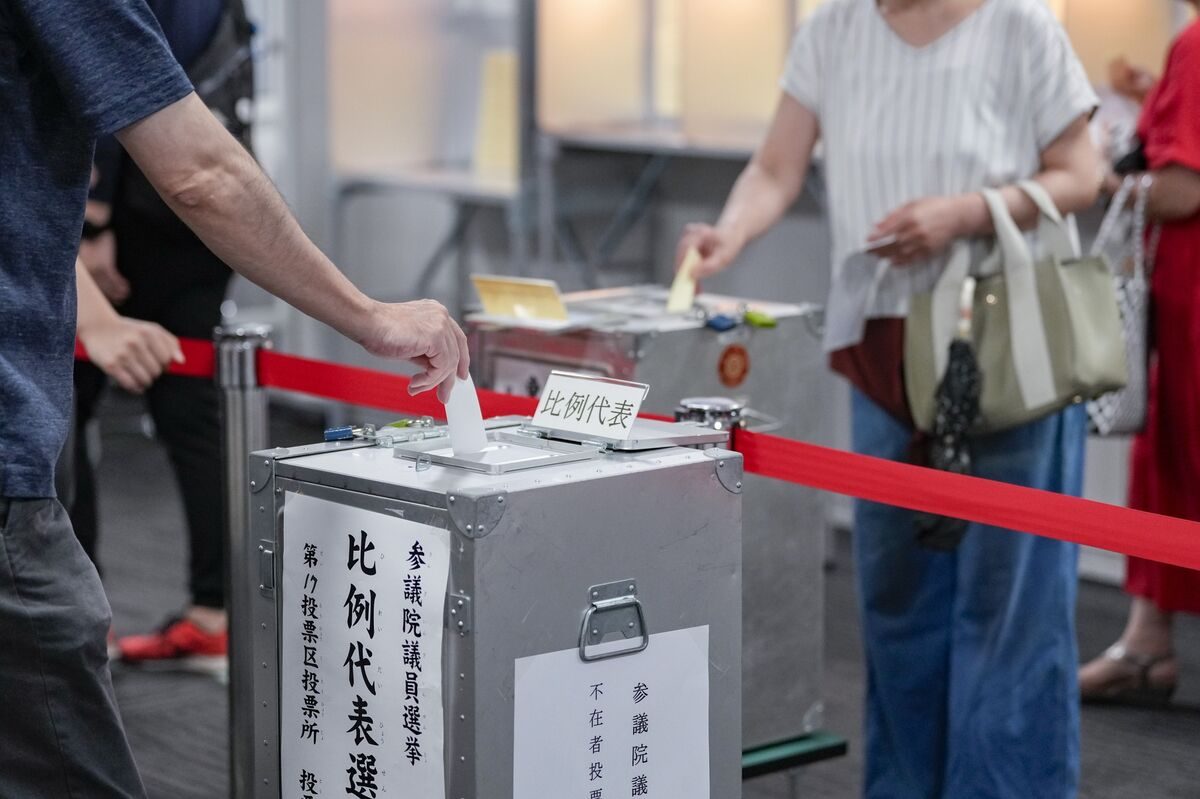
On Sunday, July 20, 2025, voters in Japan cast their ballots in the crucial upper house election, a political event with significant implications both domestically and globally. The ruling coalition led by Prime Minister Shigeru Ishiba faced mounting pressure to maintain its majority, with the election results expected to influence Japan’s economic policy direction. This political contest has reverberated through international financial markets, reflected in a noticeable rise in the Japanese yen against major currencies and an uptick in US stock futures.
Key Details
- Polling took place nationwide on July 20, 2025, to elect members of Japan’s upper house (House of Councillors).
- Prime Minister Shigeru Ishiba’s ruling coalition risked losing its majority, casting uncertainty over future policy initiatives.
- Following the polls, the Japanese yen appreciated, signaling investor confidence in potential fiscal or monetary shifts.
- US stock futures rose, indicating optimistic market sentiment towards global economic stability tied to Japan’s political outcomes.
- Market analysts closely monitored the election due to Japan’s integral role in global trade and finance.
Background
Japan’s upper house election is held every three years to renew half of the 242 seats, serving as a key mechanism to balance government power. Prime Minister Shigeru Ishiba, who has steered Japan through a period marked by domestic challenges such as an aging population and slow economic growth, sought to consolidate support for his policy agenda. The ruling coalition’s ability to maintain control of the upper house is essential to pass legislation on economic reforms, fiscal stimulus packages, and international trade agreements.
Japan’s economy, the third largest globally, plays a pivotal role in international markets. Political uncertainty can lead to volatility in the yen, which is often considered a safe-haven currency. Investors use the yen’s performance as a barometer of risk sentiment, particularly during periods of geopolitical or economic uncertainty.
Analysis
The upward movement in the yen following the election can be interpreted in several ways. Firstly, a stable or strengthened ruling coalition is often perceived as a signal of policy continuity, reassuring investors. This can lead to increased demand for Japanese assets and a stronger currency. Secondly, given Japan’s significant trade surplus and role in global supply chains, confidence in its political stability can positively influence global markets.
Simultaneously, US stock futures rising in response to Japan’s election results underscore the interconnectedness of global financial systems. Market participants anticipate that stability in Japan reduces systemic risk and supports global economic growth prospects. Moreover, the yen’s rise often impacts currency markets worldwide, prompting investors in the US and elsewhere to adjust their portfolios accordingly.
However, the scenario remains complex. Should the ruling coalition fail to hold its majority, Japan could face legislative gridlock, delaying critical economic reforms. This outcome might prompt volatility in both the yen and global equities. Thus, the election’s final results will be closely scrutinized in coming days by policymakers and market watchers alike.
Conclusion
The July 20, 2025, upper house election in Japan represents more than a domestic political event—it is a significant moment with wide-reaching economic and financial implications. The initial market responses, including yen gains and rising US stock futures, reflect investor optimism about Japan’s political stability and its positive ripple effects on the global economy. Moving forward, the election outcome will remain a key factor in shaping market sentiment and influencing international economic policies.