Emmys Overlook Animation Innovation, Favoring Decades-Old Shows
Introduction
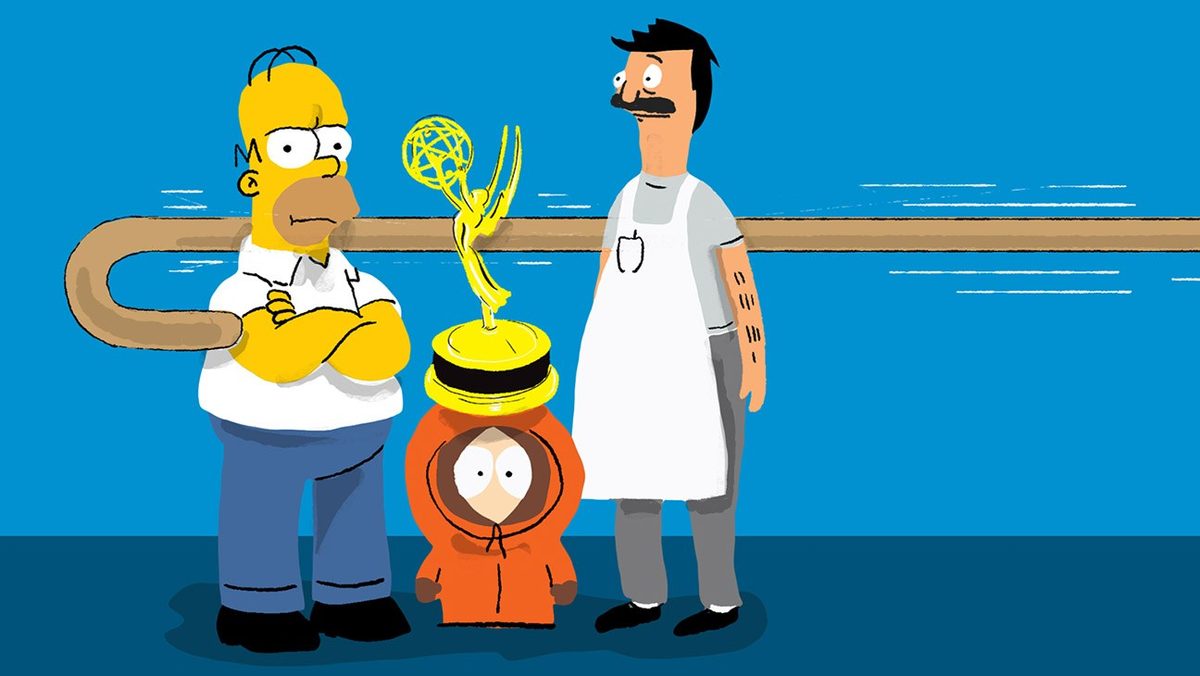
The landscape of American television animation has undergone a profound creative revolution over the last three decades. Shows like The Simpsons redefined family dynamics and social commentary, Rick and Morty pushed the boundaries of comedic and existential storytelling, and South Park offered a unique lens on societal issues. Yet, despite this vibrant evolution and the emergence of numerous groundbreaking new series, the Emmy Awards’ Outstanding Animated Program category appears increasingly calcified, favoring long-running, established shows over fresh, daring content.
Key Details
- The Emmy Awards’ Outstanding Animated Program category has been criticized for its tendency to nominate legacy shows, including The Simpsons (37 seasons), South Park (28 seasons), Rick and Morty (9 seasons), and Bob’s Burgers (20 seasons).
- Newer, critically acclaimed animated series such as Owen Dennis’ Among Us, Raphael Bob-Waksberg’s Long Story Short, Joe Cappa’s Haha, You Clowns, and Adult Swim’s Smiling Friends are frequently overlooked.
- The current Emmy voting system, which awards a single episode rather than an entire show, disadvantages newer, more experimental works that require multiple episodes to fully appreciate their narrative and stylistic development.
- A rule limiting animation eligibility to programming targeting audiences 13 and above excludes popular international shows like Bluey, despite its significant viewership in America.
- The restriction of Phase II voting to the animation branch alone is seen as insular, leading to a preference for established industry figures and their long-running projects.
Background
The enduring success and creative longevity of shows like The Simpsons and South Park are undeniable achievements. Maintaining creative quality and character freshness over decades is a testament to the talent involved. However, the consistent nomination of these veteran series, alongside others like Bob’s Burgers and Rick and Morty, suggests a broader issue within the Emmy voting process. The article posits that the static nature of animated characters, combined with their proven financial viability for networks, has fostered a risk-averse environment. This has led to a situation where the category often celebrates the familiar rather than championing the new and the innovative.
Impact Analysis
The consequence of this entrenched system is a significant lack of visibility for emerging animated talent and projects. Series that offer original concepts, bold artistic styles, or unique narrative structures, such as the dark sci-fi of Among Us or the experimental anthology Star Wars: Visions, struggle to gain traction within the Emmy nomination process. This oversight not only deprives these shows of deserved recognition but also sends a discouraging message to creators pushing the boundaries of the medium. Viewers, particularly those who do not actively seek out niche or newer content, may remain unaware of the breadth and depth of contemporary animation, leading to a less informed and potentially less appreciative audience.
“The category that is literally designed to celebrate subversiveness is championing the sclerotic.”
Broader Context
The issue of Emmy oversights extends beyond animation, with similar concerns raised about the “international ghettoizing” of shows like Bluey, which is a highly acclaimed series with a broad appeal but faces eligibility hurdles. The article draws a parallel to the live-action categories, suggesting a systemic tendency to favor established, often domestic, productions. Furthermore, the limitation of specialized voting branches, like animation, can create echo chambers where industry insiders primarily vote for peers and familiar projects, inadvertently stifling broader creative diversity. The argument is made that in an era where audiences consume content across platforms and genres, such specialized voting restrictions are increasingly anachronistic.
Future Outlook
The author proposes several actionable reforms to revitalize the Emmy Awards’ animated category. These include shifting the focus from single-episode awards to recognizing entire series, which would better accommodate the development of nuanced and serialized animated storytelling. Removing the age-based eligibility restriction would allow critically acclaimed shows like Bluey to compete. Opening Phase II voting to the entire Television Academy, rather than just the animation branch, could introduce a wider range of perspectives and reduce insularity. These changes, while significant, are presented as feasible steps toward ensuring the Emmys genuinely reflect the dynamic and innovative state of modern animation.
Conclusion
The Emmy Awards have a critical opportunity to adapt and evolve, moving beyond a reliance on legacy hits to embrace the burgeoning creativity within television animation. By reconsidering voting mechanisms, eligibility rules, and the very definition of what constitutes award-worthy animation, the Academy can better serve its mission of celebrating excellence in the medium. Ignoring the vibrant new voices and daring projects risks rendering the awards irrelevant to the very art form they aim to honor, ultimately failing to acknowledge the ongoing revolution in animated storytelling.
Source: hollywoodreporter.com