Patti Rocks: How an X-Rated Sequel to a Cult Classic Became an 80s Indie Sensation
Introduction
In the landscape of independent cinema, some films achieve notoriety through sheer accident and a touch of controversy. Such is the case with Patti Rocks, a 1988 independent film that, despite being a sequel to a movie few had seen, became a surprise sensation. Its journey from obscurity to cult classic is a testament to its creators' vision, a well-timed media kerfuffle, and the enduring power of raw, character-driven storytelling. This film, originally slapped with an X rating for its dialogue, offers a fascinating glimpse into the challenges and triumphs of 1980s indie filmmaking.
Key Details
- Film Title: Patti Rocks (1988)
- Director: David Burton Morris
- Writers: David Burton Morris, Chris Mulkey, John Jenkins, Karen Landry
- Predecessor: Loose Ends (1975)
- Original MPAA Rating: X (later appealed to R)
- Key Cast: Chris Mulkey, John Jenkins, Karen Landry
- Notable Release: Special edition Blu-ray by Fun City Editions
Background
The story of Patti Rocks begins not with grand ambition, but with a chance encounter. In the late 1970s, University of Minnesota student Victoria Wozniak met classmate David Burton Morris. Their partnership, forged on a shared love for film, led to the creation of Loose Ends in 1975. This low-budget, black-and-white drama, co-written, produced, and directed by Wozniak and Morris, depicted the aimless lives of two Minnesota mechanics. While not widely distributed, Loose Ends garnered critical praise from figures like Roger Ebert and Vincent Canby, establishing the duo as promising talents in independent cinema.
Following the modest success of Loose Ends, Morris and Wozniak found themselves on the cusp of Hollywood. Their next film, Purple Haze, won the Grand Prize at the 1983 Sundance Film Festival, leading to potential deals with major studios. However, after a promising project with Tom Hanks fell through, Morris, disillusioned with the commercial industry, returned to his roots. He decided to revisit the world of Loose Ends, embarking on a direct sequel.
Impact Analysis
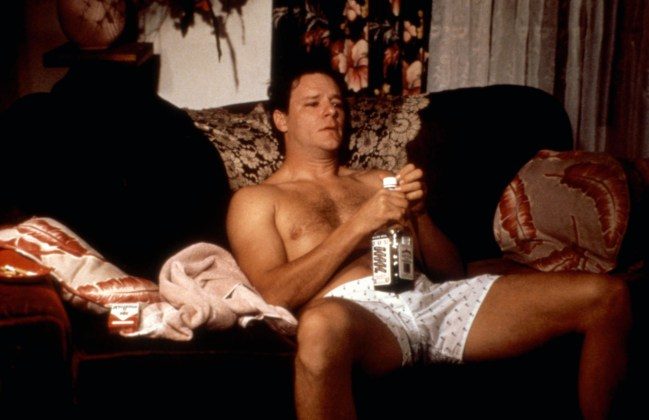
Patti Rocks, released in 1988, picked up the story of Billy (Chris Mulkey) and Eddie (John Jenkins) twelve years after the events of Loose Ends. Despite Loose Ends having been largely out of circulation, Morris proceeded with the sequel. The film's initial buzz was significantly amplified by a controversial X rating from the MPAA. Ironically, the rating was not for sex or violence, but for its coarse, offensive dialogue. Executive producer Sam Grogg masterfully leveraged this rating, turning it into a powerful public relations tool. The ensuing appeal, which eventually downgraded the film to an R rating, positioned Morris and Grogg as free speech advocates, generating substantial free press.
“The coarse dialogue between Billy and Eddie about Billy’s sexual exploits was so offensive to the ratings board that Patti Rocks became a true anomaly: a film rated X for language rather than sex or violence.”
This controversy translated into commercial success. The film broke house records at New York’s Waverly theater, and Chris Mulkey's appearance on The David Letterman Show was a major coup for an independent film. While the New York run faced a setback with the theater's closure, Patti Rocks achieved a robust national release and a successful home video run, cementing its status as a seminal 1980s indie alongside films like Stranger Than Paradise and She’s Gotta Have It.
Broader Context
Patti Rocks emerged during a vibrant period for American independent film, a time when directors like Jim Jarmusch, Spike Lee, and John Sayles were pushing creative boundaries. The film’s raw dialogue and unflinching portrayal of male insecurity resonated with audiences seeking alternatives to mainstream Hollywood fare. The MPAA rating controversy, while instrumental in its promotion, also highlighted the ongoing debate surrounding censorship and artistic freedom in cinema. The film’s narrative, focusing on two directionless men grappling with their own toxicity and perceived lack of agency, offered a stark, albeit uncomfortable, reflection of certain societal attitudes.
The film’s script, developed collaboratively with its actors, employed a method akin to Richard Linklater’s later work on Before Sunset. This approach allowed for a naturalistic portrayal of characters, particularly evident in the performances of Mulkey, Jenkins, and Karen Landry as Patti. Landry’s performance is particularly lauded for its subversion of expectations, presenting Patti not as a mere plot device but as a fully realized individual who challenges the male protagonists’ limited perspectives.
Future Outlook
In recent years, Patti Rocks had become difficult to find, relegated to occasional repertory screenings. However, the recent release of a restored Blu-ray edition by Fun City Editions has breathed new life into the film. This release, featuring an audio commentary by Morris and Wozniak and interviews with producer Sam Grogg, not only makes the film accessible to a new generation but also provides valuable context for its place in film history. The preservation and promotion of such films by boutique labels are crucial for maintaining cinematic heritage, ensuring that important independent works are not lost to time.
Conclusion
Patti Rocks stands as a remarkable achievement in independent filmmaking. Its journey from an obscure sequel to an X-rated controversy and finally to a celebrated cult classic underscores the unpredictable nature of cinematic success. The film’s enduring appeal lies in its authentic performances, sharp writing, and its willingness to explore uncomfortable truths about masculinity and relationships. The recent Blu-ray release ensures that this unique piece of 1980s cinema history can be appreciated for its artistic merit, its cultural impact, and its surprisingly tender moments, proving that even films born from controversy can offer profound insights and lasting beauty.
Source: indiewire.com