Corruption Conviction of Megawati's Aide Weakens Indonesia's Opposition Party
Corruption Conviction of Megawati's Aide Weakens Indonesia's Opposition Party
Introduction
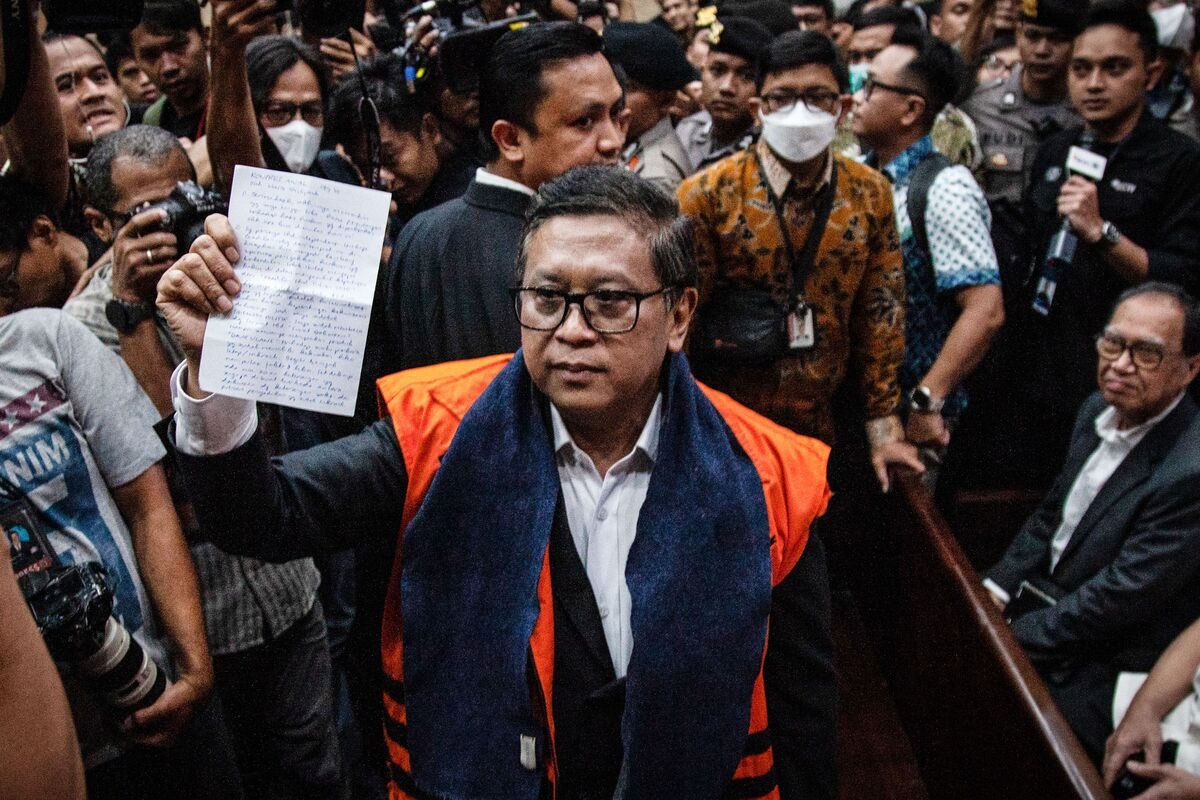
In a significant legal development in Indonesia, a court has convicted a senior aide to former President Megawati Soekarnoputri of corruption. This ruling marks a pivotal moment for the opposition party, which has been striving to regain influence in Indonesian politics. The conviction raises questions about the integrity of the party and its ability to present a united front ahead of the next elections.
Key Details
- The aide, named in the conviction, was found guilty of embezzlement and misappropriation of public funds.
- The corruption case has been ongoing for several years, highlighting issues around accountability and governance in Indonesia.
- This ruling is seen as a setback for the Indonesian Democratic Party of Struggle (PDI-P), the main opposition party led by Megawati.
- The conviction may impact the party's support base and electoral prospects as it approaches the upcoming elections.
- The case has sparked discussions about political corruption in Indonesia, where such issues have historically undermined public trust in political institutions.
Background
The Indonesian Democratic Party of Struggle (PDI-P), established in 1999, has had a tumultuous history, oscillating between power and opposition. Under Megawati's leadership in the early 2000s, the party was a significant force in Indonesian politics, especially after her presidency from 2001 to 2004. However, recent years have seen the party grappling with internal divisions and challenges from other political entities.
The recent conviction of Megawati's aide comes amidst a broader crackdown on corruption in Indonesia, a nation plagued by graft scandals that have tainted various political figures across the spectrum. The legal case against the aide has been particularly emblematic of the systemic issues that persist in Indonesian governance, where corruption often compromises the efficacy of public service and policy implementation.
Analysis
Corruption convictions like this one have profound implications for political parties in Indonesia. The PDI-P, which has positioned itself as a reformist party, now faces the challenge of addressing the fallout from this ruling. The conviction not only casts a shadow over the party's leadership but also opens the door for rival parties to question its credibility and commitment to reform.
The timing of the conviction is critical as Indonesia heads toward its elections, slated for 2024. Voter sentiment is highly influenced by perceptions of corruption and governance. The PDI-P needs to reassess its strategies and possibly distance itself from figures associated with corrupt practices to regain public trust.
Additionally, this ruling could lead to a realignment of political alliances as other parties leverage this moment to position themselves as honest alternatives. The potential for a coalition of reform-minded parties could emerge, posing a significant threat to the PDI-P and its aspirations for a strong electoral showing.
Conclusion
The conviction of a senior aide to Megawati Soekarnoputri is not merely a legal outcome; it represents a crucial juncture for the Indonesian opposition. As the PDI-P navigates the repercussions of this ruling, it must confront the broader implications of corruption within its ranks and the need for renewed commitment to transparency and accountability. The upcoming elections will serve as a litmus test for the party's resilience and its ability to cultivate public trust in an environment increasingly wary of political corruption.