Top Android Phones for 2025: Performance and Innovation at the Forefront
Introduction
The Android smartphone market in 2025 continues to impress with its vast diversity and innovation, distinguishing itself from competitors by offering users a wide range of choices tailored to various needs and budgets. Unlike Apple’s relatively streamlined iPhone lineup, Android manufacturers provide an ecosystem characterized by flexibility, from foldables and rugged devices to budget-friendly models and flagship performers.
Key Details
- Performance: Efficient CPUs and AI capabilities remain crucial for responsiveness and smooth multitasking.
- Display: OLED panels with 600 to 1000+ nits brightness and 90Hz-120Hz refresh rates dominate.
- Design: Durability features like water resistance and wireless charging are prioritized.
- Cameras: Sharp photography with night modes, ultra-wide and telephoto lenses, and video stabilization.
- Battery & Software: At least 16 hours of video playback battery life and a commitment to three years of software updates.
Background
The Android ecosystem has evolved tremendously since its inception, now boasting a diversity that appeals to a broad spectrum of users. Powered by Google’s Android OS, the platform supports myriad brands including Samsung, Google Pixel, Motorola, OnePlus, and emerging players who push the boundaries of form and function. The competition has driven rapid improvements not only in hardware components like chipsets and cameras but also in software longevity and user customization.
In 2025, the emphasis on AI has become a critical differentiator. Smartphones now integrate AI for enhancing photography, optimizing battery usage, and improving user interfaces. Moreover, the inclusion of foldable screens and ruggedized models highlights an industry responding to both lifestyle trends and practical demands.
Impact Analysis
Performance benchmarks remain a pivotal factor in consumers’ decisions. Users expect their devices to handle multitasking, gaming, social media, and AI-driven applications without lag. The rise of AI capabilities in phones indicates a shift toward more personalized and context-aware experiences, giving Android phones an edge.
The display technology, particularly OLED with high brightness and fast refresh rates, significantly improves visual experiences, whether for media consumption, gaming, or everyday use. This advancement has been critical for the widespread adoption of smartphones as primary devices for entertainment and work.
Design considerations now prioritize durability and user convenience. Features such as water and dust resistance, wireless charging, reverse wireless charging, and ultra-wideband (UWB) connectivity are becoming standard to ensure devices remain functional and seamlessly integrated within users’ tech ecosystems.
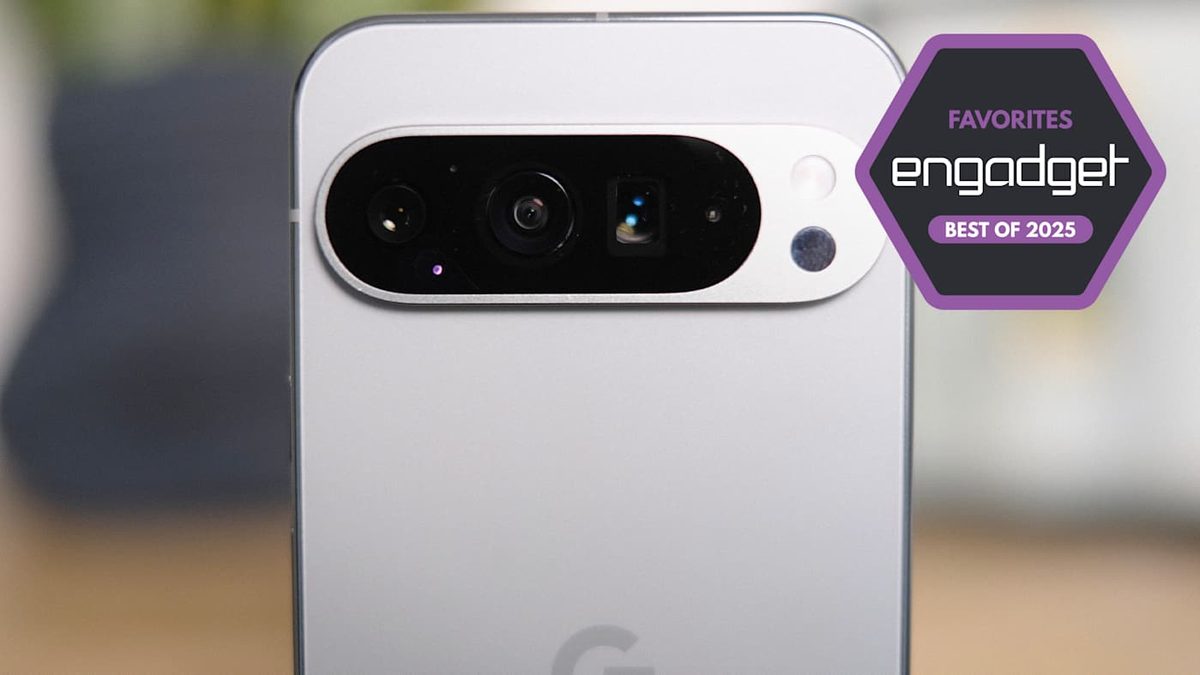
Camera technology continues to be a major battleground. The demand for versatile cameras—covering ultra-wide angles to telephoto zoom—along with improved low-light performance and video stabilization caters to the modern user’s content creation needs. Dedicated night modes and multiple video recording options further enhance the usability of these devices for creative purposes.
Lastly, battery life and software updates directly affect the device’s lifespan and user satisfaction. With users keeping phones longer, manufacturers’ commitment to at least three years of software support and regular security patches adds significant value to smartphones, influencing purchase decisions.
Broader Context
Android’s open-source nature fosters innovation and competition, pushing manufacturers to cater to niche markets and diverse consumer preferences. This contrasts with Apple’s closed ecosystem, where choices are limited but highly curated. Android’s flexibility extends to user customization, allowing people to tailor their devices’ appearance and functionality, a feature that remains a strong selling point.
Moreover, technological trends such as 5G connectivity, AI integration, and foldable screen technology reflect broader industry movements towards smarter, more connected, and adaptable devices. The increasing availability of budget-friendly options also democratizes access to advanced smartphone features, impacting global digital inclusion.
Future Outlook
Looking ahead, Android phones are expected to continue evolving with improvements in AI-assisted features, battery technologies, and display innovations such as under-display cameras and more flexible foldable designs. Manufacturers will likely enhance software support durations, responding to consumer demands for longer-lasting devices amid rising environmental concerns.
Additionally, the integration of new connectivity standards like UWB and expanded use of biometric security features will shape the next generation of Android smartphones. The ecosystem’s openness will encourage further experimentation, potentially leading to new form factors and user experiences that redefine mobile computing.
Conclusion
"Choosing the best Android phone in 2025 means balancing performance, design, camera capabilities, and software longevity to find a device that aligns with your lifestyle and needs."
With a broad and competitive landscape, Android continues to offer users unparalleled choice and innovation. By focusing on key aspects such as powerful processors, vibrant displays, durable designs, advanced cameras, and long-term software support, consumers can find smartphones that deliver excellent value and experience. This dynamic market promises exciting developments as we move further into the decade.