Nvidia RTX Spark Laptops Launch at Sky-High Prices, Topping $7,000
Introduction
The landscape of high-performance computing for professionals and creators has a new contender. Nvidia has officially launched its first wave of laptops powered by the groundbreaking RTX Spark chip. These machines are not just about raw power; they are positioned to directly challenge established players like Apple's MacBook Pro in the premium segment. However, this ambition comes with a significant price tag, with top-tier configurations soaring to as high as $7,000, signaling a clear focus on the high-end market.
Key Details
- Starting Price: The entry-level RTX Spark laptops begin at $2,599.
- Base Configuration: These models feature an 18-core CPU, 24GB of unified memory, and 512GB of storage.
- Flagship Pricing: A fully loaded Asus ProArt P16 RTX Spark laptop can cost up to $6,999.99, boasting a 20-core chip, a massive 128GB of unified memory, and 2TB of storage.
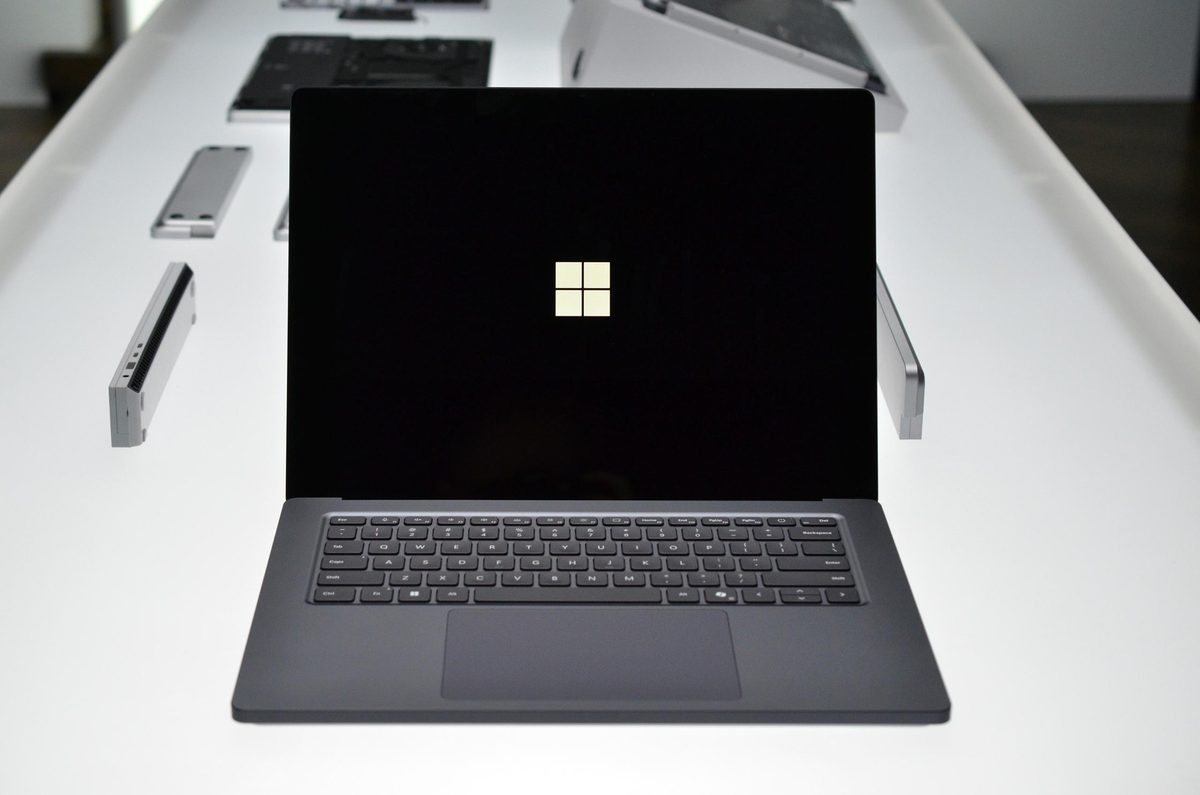
- Microsoft Surface Laptop Ultra: While full configuration details are still emerging, a 48GB model is listed on Best Buy for $3,999.99.
- Launch Date: These laptops, including the Surface Laptop Ultra, are slated for release starting October 16th.
Background
Nvidia's RTX Spark platform represents a significant advancement in integrated graphics and AI processing for mobile devices. Unlike previous generations that often relied on discrete mobile GPUs, the Spark architecture aims to deliver a more unified and efficient performance profile, particularly for tasks involving artificial intelligence, machine learning, and demanding creative workflows such as 3D rendering, video editing, and complex data analysis. The move into laptops with such a powerful, integrated solution is Nvidia's strategic play to capture a larger share of the professional mobile workstation market, traditionally dominated by Intel and AMD CPUs paired with Nvidia's discrete mobile GPUs, and increasingly by Apple's in-house silicon.
Impact Analysis
The introduction of RTX Spark laptops at these price points is a bold statement. The $7,000 price tag for a fully configured Asus ProArt model is eye-watering, even in the context of high-end professional hardware. This pricing strategy clearly indicates that Nvidia and its partners are not aiming for mass-market adoption but are instead targeting a niche but lucrative segment: professional creators, AI researchers, and power users who require the absolute best performance and are willing to pay a premium for it. The substantial amount of unified memory, particularly the 128GB option, is a key differentiator, crucial for handling massive datasets and complex AI models that often choke systems with less memory. This positions the RTX Spark laptops as direct competitors to the highest-specced MacBook Pros, which also command premium prices and offer large memory configurations.
“The first volley of RTX Spark options are obviously aimed at the high-end side of creators and local AI users. And RAMageddon certainly isn’t helping make this any easier on peoples’ wallets.”
Broader Context
The tech industry is witnessing a fierce battle for dominance in the professional and AI computing space. Apple has made significant inroads with its M-series chips, offering impressive performance and efficiency that have disrupted the traditional PC market for creative professionals. Nvidia, a long-time leader in discrete GPUs, is now pushing its integrated solutions to compete more directly. The emphasis on unified memory is a trend accelerated by Apple's M-series chips, which use a unified memory architecture to improve data access speeds and overall system efficiency. Nvidia's adoption of this approach with RTX Spark suggests a recognition of its benefits for demanding workloads. Furthermore, the growing demand for on-device AI processing, driven by advancements in machine learning and the desire for faster, more private AI experiences, makes platforms like RTX Spark particularly relevant.
Future Outlook
The success of Nvidia's RTX Spark platform will depend on several factors. Firstly, the real-world performance and efficiency gains compared to existing solutions will be crucial. Early reviews and benchmarks will be closely watched by the target audience. Secondly, the pricing strategy needs to be justified by tangible benefits. While the initial offerings are premium, a broader range of configurations at more accessible price points in the future could broaden adoption. The availability of software optimization for the Spark architecture will also play a vital role. As more creators and AI developers leverage these new laptops, we can expect to see a ripple effect, potentially driving further innovation in both hardware and software. The high starting prices suggest a focus on bleeding-edge performance, but the long-term viability will hinge on sustained innovation and market acceptance beyond the initial enthusiast base.
Conclusion
Nvidia's entry into the premium laptop market with its RTX Spark chip marks a significant development. With prices reaching up to $7,000, these laptops are clearly positioned for professionals and power users who demand top-tier performance, especially for creative tasks and local AI processing. While the cost is substantial, the promise of advanced capabilities, particularly the large unified memory options, sets them up as formidable competitors in the high-end segment. The coming months will reveal whether these powerful, and expensive, machines can live up to their promise and carve out a significant share in a competitive market.
Source: theverge.com