Tirzepatide's Dual Action: Beyond Appetite Suppression to Brown Fat Activation
Introduction
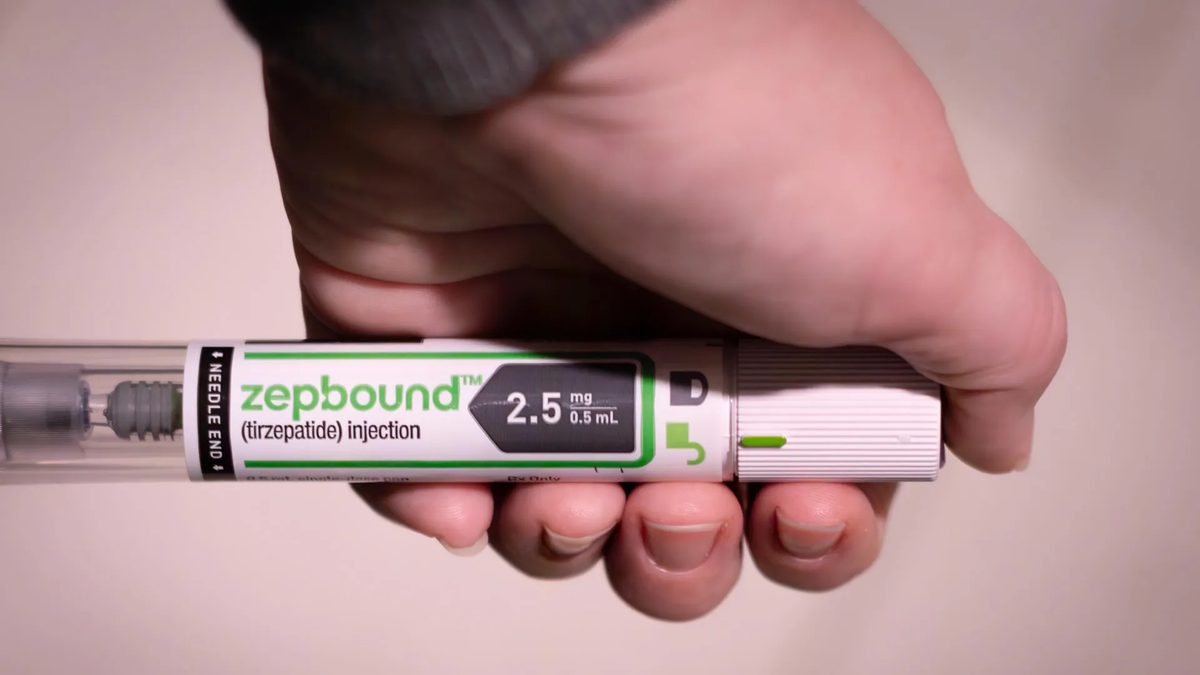
Tirzepatide, widely recognized under brand names like Mounjaro and Zepbound, has emerged as a significant therapeutic agent for obesity and type 2 diabetes. While its efficacy in promoting weight loss through appetite suppression is well-established, scientists are continuously exploring the full spectrum of its physiological effects. Recent research conducted at the University of Barcelona offers compelling evidence that tirzepatide may exert its benefits through an additional, previously underestimated mechanism: the activation of brown adipose tissue (BAT), the body's natural calorie-burning furnace.
Key Details
- Drug Mechanism: Tirzepatide targets two key hormone receptors: GIP (glucose-dependent insulinotropic polypeptide) and GLP-1 (glucagon-like peptide-1). This dual action is known to reduce food intake and promote weight loss.
- Brown Fat Activation: A study in obese mice demonstrated that tirzepatide directly activated brown adipose tissue, a specialized fat tissue that generates heat by burning calories.
- Metabolic Benefits: Activated brown fat increases the body's capacity to burn metabolic energy, producing beneficial molecules called batokines. This process contributes to lowering blood glucose and fat levels, independent of reduced calorie consumption.
- Cardiovascular Safety: Unlike some previous attempts to activate brown fat pharmacologically, tirzepatide showed no negative cardiovascular side effects and even appeared to offer cardiovascular benefits in the study.
- Study Limitations: The findings are based on experiments in mice. Researchers emphasize the need for further clinical trials in humans to confirm these effects due to potential species-specific differences in metabolism and drug response.
Background
Obesity is a complex metabolic disorder characterized by excessive body fat accumulation, significantly increasing the risk of numerous chronic diseases, including type 2 diabetes, cardiovascular disease, and certain cancers. While lifestyle modifications remain foundational, pharmacological interventions have become increasingly crucial. Tirzepatide represents a significant advancement in this area, offering substantial weight loss and glycemic control. However, understanding the precise mechanisms underlying its success is vital for optimizing its use and developing next-generation therapies.
Brown adipose tissue (BAT) has long been a target of interest for metabolic research. Unlike white adipose tissue, which primarily stores energy, brown fat actively dissipates energy as heat through a process called non-shivering thermogenesis. Activating BAT could theoretically increase overall energy expenditure, aiding in weight management and improving metabolic health. However, developing drugs that effectively and safely activate BAT has proven challenging, with many candidates exhibiting undesirable side effects.
Impact Analysis
The University of Barcelona study suggests that tirzepatide's impact on obesity might be multifaceted. By activating brown fat, the drug could enhance the body's metabolic rate, contributing to weight loss not just by reducing appetite but also by increasing energy expenditure. This dual action—suppressing appetite and boosting metabolism—could explain the profound weight loss observed in patients using tirzepatide.
“This drug not only reduces body weight, but also has beneficial effects on metabolism. Active brown adipose tissue ‘burns’ glucose and fat within the body, which would contribute to its positive effect not only in reducing body weight, but also in lowering blood glucose and fat levels, and improving metabolism,” explained lead researcher Marion Peyrou.
Furthermore, the observed cardiovascular benefits associated with tirzepatide, even as it activates BAT, are particularly noteworthy. This suggests that the drug's mechanism is not only safe but potentially cardioprotective, differentiating it from earlier experimental approaches to BAT activation.
Broader Context
The findings place tirzepatide within the growing field of incretin-based therapies, which mimic or enhance the action of gut hormones involved in regulating appetite and glucose metabolism. The dual GIP/GLP-1 agonism of tirzepatide represents a sophisticated approach to targeting these pathways. The discovery of its potential to activate brown fat adds another layer to this complexity, highlighting the intricate interplay between hormonal signaling, appetite regulation, and energy expenditure.
This research also underscores a paradigm shift in obesity treatment: moving from single-target interventions to multi-pronged strategies. The idea is that targeting several physiological processes simultaneously—such as reducing caloric intake, increasing metabolic rate, and improving hormonal balance—may yield more robust and sustainable results. This approach holds promise for managing not only weight but also associated comorbidities like type 2 diabetes and cardiovascular disease.
Future Outlook
The immediate future requires validation of these findings in human clinical trials. If confirmed, this research could significantly influence prescribing practices. Identifying patients whose metabolic profiles, particularly those with compromised energy expenditure, might benefit most from tirzepatide's brown fat activating properties could pave the way for more personalized obesity management strategies. This would involve tailoring treatments based on an individual's overall metabolic status, not just their weight or appetite.
Moreover, this understanding could spur the development of new therapeutic agents that specifically target brown fat activation, potentially with even greater efficacy or tailored for specific patient populations. The research, led by Marion Peyrou and colleagues at the University of Barcelona, Sant Joan de Déu Research Institute, and CIBEROBN, was published in Biomedicine.
Conclusion
The study on tirzepatide's effect on brown adipose tissue in mice presents a promising new dimension to the drug's therapeutic profile. By potentially activating the body's natural calorie-burning mechanisms alongside its known appetite-suppressing effects, tirzepatide offers a more comprehensive approach to tackling obesity and related metabolic disorders. While caution is warranted pending human studies, these findings represent a significant step forward in understanding how this class of drugs works and in the quest for more effective, personalized, and metabolically beneficial treatments for obesity.
Source: sciencedaily.com