Virtuos Cuts 7% of Workforce Amid Industry Shifts, Lays Off 270 Employees
Introduction
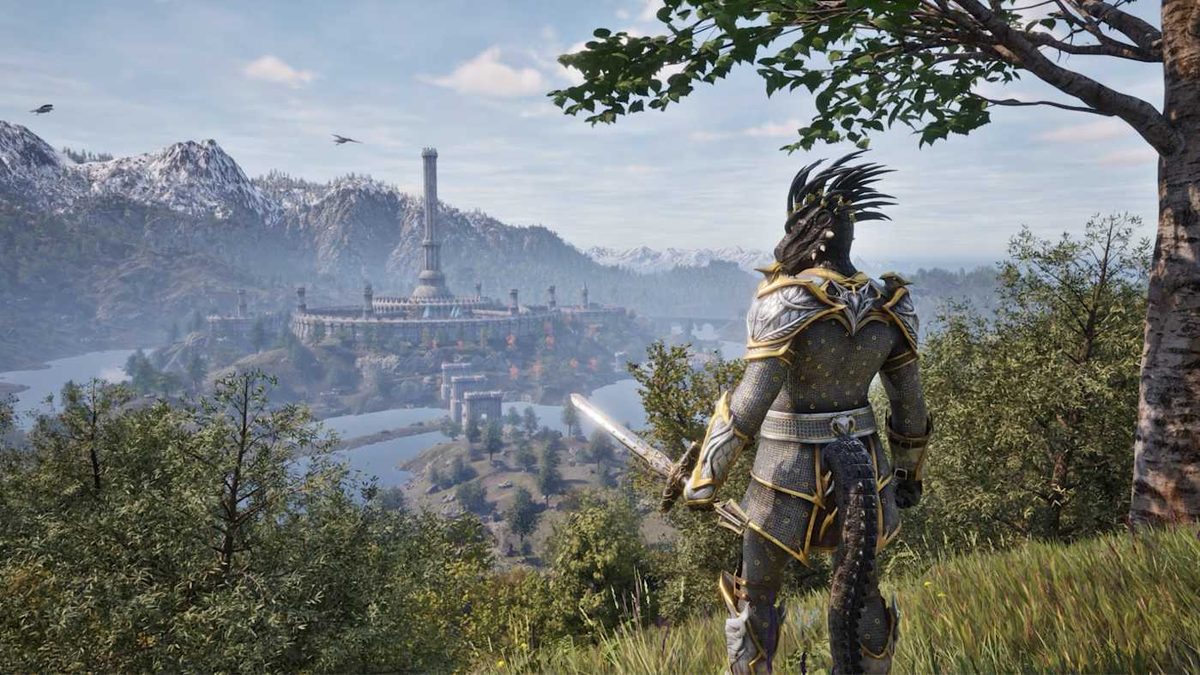
Virtuos, a global game development studio known for its role in remastering The Elder Scrolls 4: Oblivion, has announced layoffs affecting approximately 270 employees, representing about seven percent of its workforce. The decision comes amid shifting demands and structural changes in the gaming industry, impacting teams primarily in Asia and Europe.
Key Details
- Approximately 270 employees laid off, about 7% of Virtuos' total staff.
- Largest reductions in Asia (~200 employees) and Europe (~70 employees).
- Less than 10 layoffs in France, home to the core team for Oblivion Remastered.
- Virtuos employs over 4,200 people worldwide, with offices in the US, Europe, and Asia.
- Support offered to affected employees includes layoff packages, career transition assistance, and potential internal job opportunities.
Background
Virtuos has established itself as a leading co-development studio, contributing to major gaming projects such as the remastered edition of Oblivion, recent patches for Cyberpunk 2077, and ongoing work on titles like Metal Gear Solid Delta: Snake Eater, Dune: Awakening, and Sea of Thieves. The company has expanded its capabilities through multiple acquisitions in the past year, including Beyond-FX, Pipeworks, Umanaïa in North America, and Third Kind Games and Abstraction in Europe. These moves have bolstered Virtuos’ expertise in visual effects, design, Unreal Engine programming, and creative development.
Despite this growth and a portfolio filled with high-profile projects, Virtuos is restructuring to better align its teams geographically with those of its clients. This reflects a broader trend in the industry toward iterative co-development practices that require close collaboration between studios and their partners.
Impact Analysis
The layoffs highlight the precarious nature of the video game industry, which continues to experience volatility despite robust project pipelines and post-release support activities. Virtuos’ decision to reduce staff in regions where demand is slowing indicates a strategic shift away from certain service segments and a focus on premium co-development areas where the company can maximize its value.
“We need to better match the locations of our teams with those of our clients to support the increasingly iterative nature of creative co-development,” Virtuos stated in its announcement.
The impact on the affected employees is mitigated by the company's offer of severance packages and career transition support, yet it underscores the challenges faced by even well-established service studios amidst global economic pressures and shifting consumer trends.
Broader Context
Virtuos' layoffs follow a broader wave of cutbacks across the gaming industry, including significant downsizing at major players like Microsoft’s Xbox division. Earlier in July, Microsoft cut staff and canceled projects such as Rare’s Everwild, and shuttered studios like The Initiative. These moves reflect heightened uncertainty within the sector, driven by changing market dynamics, rising development costs, and evolving player expectations.
Studios specializing in live service games, post-launch content, and remasters—traditionally considered more stable segments—are not immune to these pressures. Virtuos’ experience exemplifies how industry-wide shifts affect companies regardless of their recent successes or strategic expansions.
Future Outlook
Virtuos is positioning itself for future growth by doubling down on areas where it has competitive advantages, including visual effects, design innovation, and advanced programming expertise. The company's acquisitions indicate a long-term commitment to premium co-development rather than purely service-based outsourcing.
However, the need to reduce workforce in specific regions suggests ongoing challenges in balancing global operations with client needs and market demand. How Virtuos adapts to these dynamics will be critical in maintaining its role as a top-tier co-development partner.
Conclusion
The recent layoffs at Virtuos, impacting roughly 7% of its workforce, are a clear sign of the volatile environment currently facing the gaming industry. While the studio continues to contribute to high-profile projects and expand its capabilities, it must also navigate structural shifts and demand fluctuations that necessitate strategic realignments. This development offers a snapshot of wider industry pressures, highlighting the challenges even successful studios confront in sustaining growth and stability amid rapid change.