Tesla Robotaxi Fleet in Austin Achieves Full Unsupervised Operation Ahead of Cybercab Launch
Introduction
Tesla's long-anticipated Robotaxi service in Austin, Texas, appears to have reached a significant milestone: full unsupervised operation. Over the past two weeks, a substantial number of rides, all 170 monitored by the crowdsourced platform Robotaxi Tracker, have been conducted without any human safety drivers onboard. This development, confirmed by Ethan McKanna, the creator of Robotaxi Tracker, signals a crucial step forward for Tesla's autonomous driving ambitions, particularly as the company gears up to introduce its purpose-built Cybercab vehicle.
Key Details
- 170 Unsupervised Rides: In the last two weeks, all 170 Tesla Robotaxi rides tracked in Austin operated without human safety monitors.
- 54 Different Vehicles: These unsupervised rides involved a fleet of 54 distinct Tesla vehicles.
- Broader Texas Presence: A notable increase in unsupervised Robotaxis has also been observed in Dallas and Houston, with approximately 30 driverless Teslas operating weekly in those areas.
- Fleet Growth: This surge contrasts with earlier summer data, where only 28 unsupervised vehicles were active across six Texas and Florida markets. The current Austin figures alone nearly double that previous total.
- Data Refinement: Creator Ethan McKanna, who interned with Tesla's Robotaxi team, noted that some metrics on his site were lagging due to data source updates. Revised data indicates a larger unsupervised fleet than previously reported.
- Austin-Specific Shift: While data improvements play a role, the transition in Austin appears to be a genuine operational change, with previously supervised rides now confirmed as unsupervised.
Background
The concept of Tesla's Robotaxi has been a subject of intense speculation and anticipation for years. Elon Musk, the CEO of Tesla, has repeatedly spoken about the potential for a fully autonomous ride-hailing service. The initial announcement that Tesla Robotaxis were operating without human safety monitors in Austin seven months ago set the stage for this latest development. However, progress appeared to stagnate or even recede in the intervening months, making the current surge in unsupervised activity particularly noteworthy. Robotaxi Tracker, a crowdsourced initiative, has become one of the primary, albeit unofficial, sources for monitoring the progress and scale of Tesla's autonomous fleet, given the company's general lack of transparency on such data.
“Austin has seemingly stopped supervised rides for a couple weeks now. Plates previously marked as supervised have been confirmed to be offering unsupervised rides.”
Impact Analysis
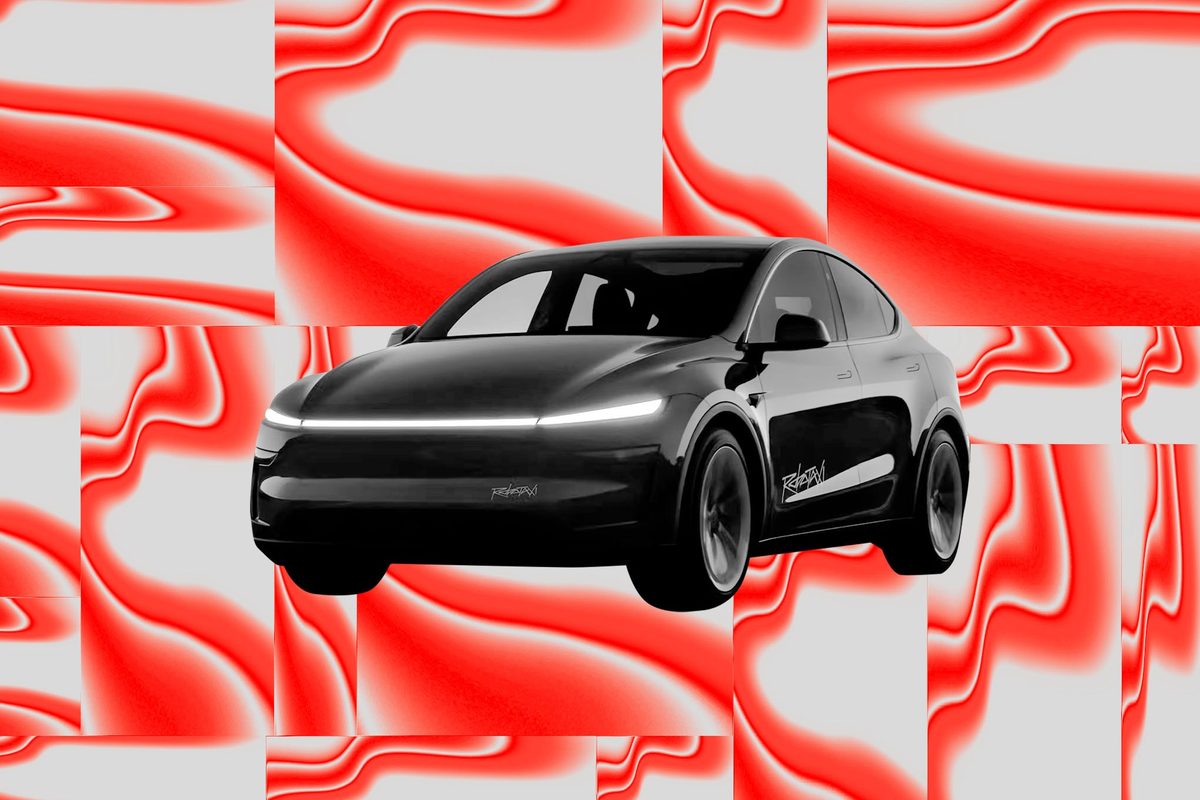
The transition to fully unsupervised rides in Austin is a critical validation for Tesla's Full Self-Driving (FSD) technology and its broader strategy for autonomous mobility. It suggests that the company is gaining confidence in its ability to manage complex urban driving environments without human intervention. This is especially pertinent as Tesla prepares for the launch of its purpose-built Cybercab. The Cybercab, designed from the ground up for autonomous operation, lacks traditional driver controls, making the successful deployment of unsupervised driving technology a prerequisite for its market entry. The increase in unsupervised vehicles, even if initially limited to specific geofenced areas like Austin, demonstrates a tangible step towards Musk's vision of a rapidly scalable Robotaxi network. The JPMorgan note suggesting Tesla is holding back Model Ys to prioritize the Cybercab launch further underscores the imminent nature of this next phase.
Broader Context
Tesla's progress in Austin must be viewed within the competitive landscape of autonomous vehicle development. While Tesla is making strides, its main competitor, Waymo, already operates a significantly larger driverless fleet. Waymo boasts over 300 driverless vehicles in Austin alone and a total of around 4,000 across ten cities. This comparison highlights that while Tesla is advancing, it still has a considerable distance to cover to match the operational scale of established players in the robotaxi market. Furthermore, the regulatory environment surrounding autonomous vehicles remains a complex and evolving challenge globally. The successful, safe, and verifiable operation of unsupervised fleets is crucial for gaining public trust and securing regulatory approval for wider deployment.
Future Outlook
The coming months will be pivotal for Tesla's Robotaxi ambitions. The anticipated launch of the Cybercab in Austin could mark a new era for the company, moving beyond retrofitted production vehicles to a dedicated autonomous platform. If Tesla can successfully scale its unsupervised operations in Austin and other markets, it could significantly accelerate its timeline for a global Robotaxi network. However, challenges remain. Ensuring the safety and reliability of the technology across diverse weather conditions and unforeseen road scenarios is paramount. Elon Musk's recent comments about rapid scaling, while optimistic, lack the specific targets previously set and missed, suggesting a more cautious, albeit still aggressive, approach. The company's ability to navigate regulatory hurdles and build public confidence will be as important as technological advancement.
Conclusion
The reported shift to fully unsupervised Tesla Robotaxi operations in Austin represents a significant, albeit quiet, leap forward for the company. With 170 monitored rides completed without safety drivers, Tesla is demonstrating tangible progress towards its autonomous ride-hailing goals. This development is strategically timed with the impending launch of the Cybercab, a vehicle designed exclusively for driverless operation. While Tesla still faces stiff competition from established players like Waymo and must contend with regulatory complexities, the recent operational success in Austin provides a crucial foundation for its future ambitions in the autonomous mobility sector. The coming period will reveal whether this localized success can be replicated and scaled globally.
Source: theverge.com