Bo Turbo E-Scooter: Over 100 MPH and a $29,500 Price Tag Redefining Urban Mobility
Introduction
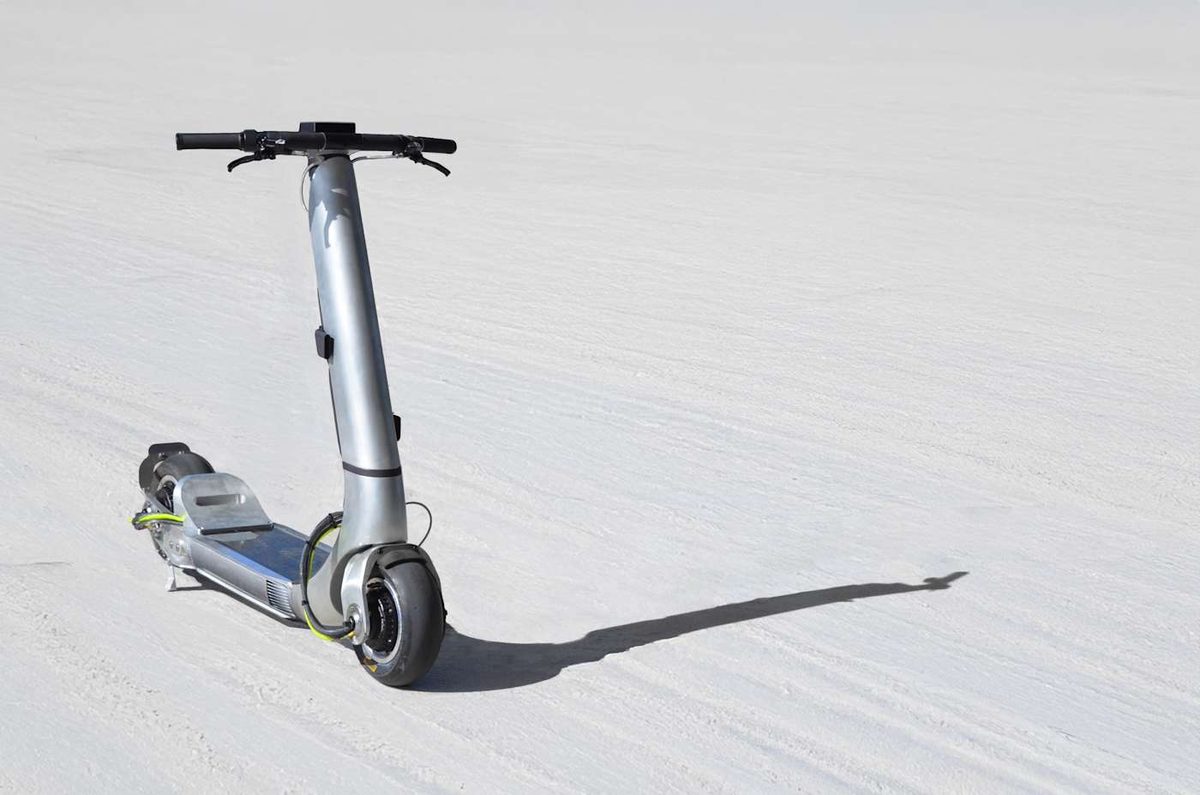
In a striking fusion of high-performance engineering and urban mobility, Bo Mobility has introduced the Turbo e-scooter, a radical upgrade to their existing lineup. This new model reportedly reaches speeds exceeding 100 miles per hour, with a remarkable range of up to 150 miles on a single charge. Such specifications push the boundaries of what electric scooters are traditionally expected to achieve, positioning the Turbo more as a hyper-performance vehicle than a mere urban commuter.
Key Details
- The Turbo e-scooter is powered by a 24,000W dual-motor system, delivering unprecedented power for a two-wheeled electric vehicle.
- It features a large 1,800Wh battery pack, enabling a 150-mile maximum range, significantly above the typical electric scooter’s capabilities.
- Incorporates Formula 1-style air intakes to maintain optimal operating temperatures for electronics and braking systems, enhancing safety and performance.
- Bo claims the scooter’s power-to-weight ratio surpasses that of renowned hypercars like the Bugatti Veyron.
- Initial testing by former professional BMX rider Tre Whyte has approached but not yet surpassed the 100 mph mark.
- The Turbo will retail for approximately $29,500, with the first unit destined for a collector in Madrid to coincide with the city’s inaugural grand prix.
- Bo’s standard models, the Bo M and M2, range from $1,990 to $2,490, with ranges of 25 to 40 miles, and will soon be available in the U.S.
Background
Bo Mobility’s engineering team is notable for its roots in the advanced engineering division of the Williams Formula 1 team. This pedigree brings a unique perspective to electric scooter design, focusing on elements like aerodynamics, powertrain efficiency, and cooling systems—areas typically reserved for high-speed racing vehicles. The transition from racing cars to compact urban vehicles reflects both an innovative approach and a desire to redefine personal transportation.
Historically, electric scooters have been confined to slow speeds and short distances, primarily for convenience rather than performance. The Turbo challenges this norm by combining extreme speed and extended range, raising questions about safety, legality, and urban infrastructure readiness.
Impact Analysis
The introduction of the Turbo e-scooter represents a paradigm shift within micromobility. Offering hypercar-level speed and power pushes the envelope beyond usual urban transport, but simultaneously introduces concerns about rider safety and public road use. At speeds exceeding 100 mph, protective gear, road conditions, and traffic laws become critical factors.
Moreover, the high price point—nearly $30,000—positions the Turbo as a niche product aimed at enthusiasts, collectors, or possibly professional applications rather than mass-market commuters. This exclusivity may limit its immediate urban impact but serves as a technological showcase, potentially influencing future designs of more affordable, safer models.
Bo’s emphasis on cooling technology derived from F1 engineering demonstrates a commitment to safety and reliability, which can be key selling points in a sector often criticized for poor safety standards. However, the practical challenges of using such a high-speed scooter in typical city environments remain substantial.
Broader Context
The surge in micromobility solutions over the past decade reflects growing urban congestion and environmental concerns. E-scooters have become ubiquitous in many cities, offering a sustainable alternative to cars. However, most models emphasize moderate speeds for safety and regulatory compliance.
Bo’s Turbo breaks this mold by emphasizing power and speed, potentially appealing to a different segment of consumers who value performance over practicality. This development parallels trends in electric vehicles where sport and luxury variants command attention and drive innovation, as seen with electric hypercars and motorcycles.
Nonetheless, regulatory frameworks globally often limit e-scooter speeds to levels far below what the Turbo offers, meaning its use may be restricted to private properties, closed circuits, or specific jurisdictions with more lenient laws.
Future Outlook
Bo Mobility’s expansion into the U.S. market with its standard models suggests a strategic plan to grow its presence in mainstream micromobility, while the Turbo serves as a halo product that draws attention and showcases technological capability. The delivery of the first Turbo unit in Madrid, timed with the city's inaugural Formula 1 Grand Prix, symbolizes the company's roots and ambitions.
Looking ahead, the question remains whether such high-speed scooters can influence broader urban transportation trends or will remain niche curiosities. Key factors include evolving safety regulations, infrastructure adaptations, and consumer acceptance of high-speed personal mobility devices.
Technological advances in battery efficiency, motor design, and safety features will also dictate future developments. Should Bo or competitors manage to bring down costs and enhance safety without sacrificing performance, high-speed e-scooters might eventually become more common.
Conclusion
Bo Mobility’s Turbo e-scooter represents an extraordinary leap in electric scooter design, blending Formula 1 engineering expertise with urban mobility. With speeds surpassing 100 mph and a range of 150 miles, it challenges conventional views of personal electric transport.
"The Turbo pushes the limits of what an e-scooter can be, combining extreme performance with safety innovations derived from Formula 1 engineering," says Bo Mobility.
While its $29,500 price tags it as a collectible or enthusiast’s item, its technological advances could ripple through the micromobility sector, inspiring safer, more powerful, and longer-range vehicles. However, integrating such vehicles into everyday urban life will require careful consideration of legal and safety frameworks.
Ultimately, the Turbo is not just about speed; it is a statement of engineering ambition and a glimpse into the future possibilities of personal electric transportation.