Teenager's Award-Winning Podcast Explores Why Emotional Memories Last
Introduction
In the bustling world of adolescence, where daily life often feels like a blur of assignments, social interactions, and digital distractions, the question of what we remember and why can be a profound one. For Amit Biligiri, a junior at Evergreen Valley High School in San Jose, California, this question evolved from a personal debate with his mother into a nationally recognized exploration of memory. His podcast, “What Happens to Memories?”, clinched the top prize in NPR’s annual Student Podcast Challenge, a competition that drew approximately 1,500 entries this year. The podcast offers a compelling blend of personal anecdote and scientific inquiry, aiming to demystify the complex processes that govern our recollections.
Key Details
- Amit Biligiri, a 16-year-old high school student, won the NPR Student Podcast Challenge with his podcast “What Happens to Memories?”.
- The podcast explores why certain memories, particularly those associated with strong emotions, endure while others fade.
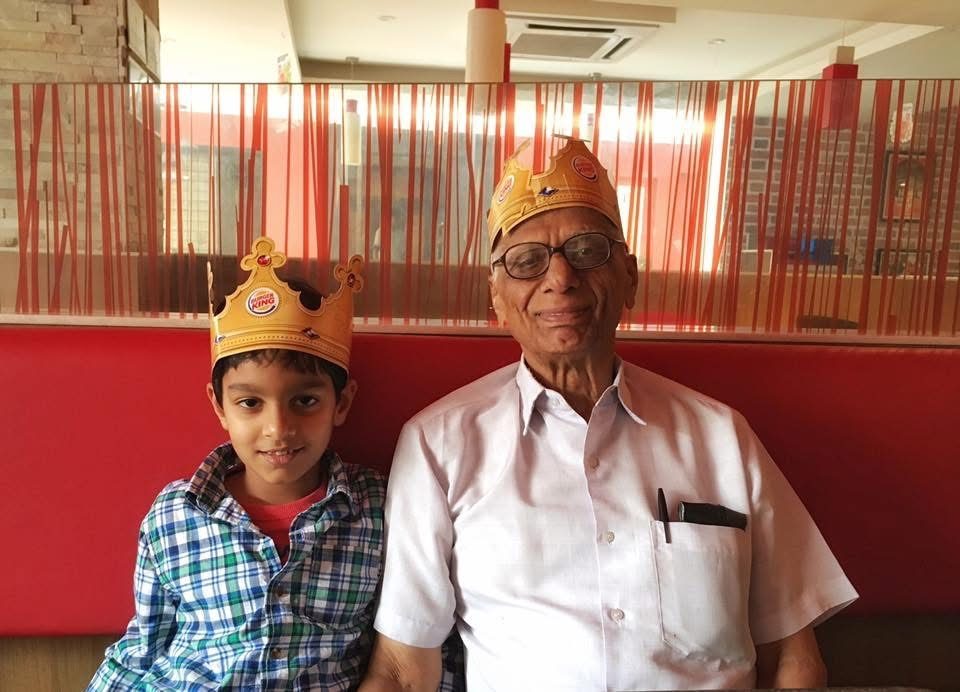
- Biligiri uses a personal memory of sharing fries with his late great-grandfather, Scooter Muttha, at age 6 as a central example.
- He discusses the role of sleep in memory consolidation, noting that insufficient sleep hinders the brain's ability to process and store memories.
- The podcast also touches on the impact of digital distractions and the importance of emotional engagement in memory formation.
- The competition featured around 1,500 student participants.
Background
The genesis of Biligiri’s podcast lies in a common parental concern: a teenager’s perceived forgetfulness. His mother, Kalyani Urs, often chided him for staying up late and subsequently forgetting tasks. “You need more sleep, you're forgetting things,” she’d say. Amit, however, began to question this narrative when he found himself recalling a deeply personal, seemingly trivial moment from his childhood: sharing fries with his great-grandfather, who had passed away many years prior. This vivid recollection, despite its lack of monumental significance, contrasted sharply with his inability to remember recent events like a math lecture or lunch from the previous week. This paradox sparked his curiosity, which his mother, an NPR listener, encouraged him to pursue through the Student Podcast Challenge.
Impact Analysis
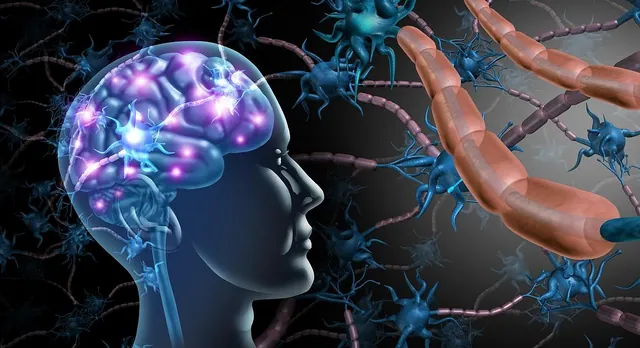
Biligiri’s podcast offers a relatable entry point into the science of memory. By framing the discussion through his own experiences—the frustration of forgetting, the joy of a cherished childhood moment, and the common teenage sleep cycle—he makes complex neurological concepts accessible. He posits that memory is not a static repository but a dynamic process, likening it to a “construction site” managed by the amygdala. The podcast highlights the critical role of sleep in this process, explaining that it’s during sleep that the brain consolidates memories, deciding which to retain and which to discard. Insufficient sleep, therefore, directly impairs this crucial function, validating his mother’s concerns. Furthermore, Biligiri addresses the modern challenge of digital immersion, suggesting that experiencing life through screens, often with a focus on curation rather than presence, diminishes the emotional intensity required for strong memory encoding. He argues that genuine emotional engagement is key to imprinting memories that last.
Broader Context
The podcast resonates with a broader understanding of human experience, particularly the significance of emotional connection. Biligiri draws a parallel between his own vivid memory and the experiences of seniors in a living community where he volunteers. He observes that these individuals often cherish memories tied to intense feelings rather than grand life events. This suggests that the subjective emotional weight of an experience is a powerful determinant of its memorability. The enduring memory of sharing fries with his great-grandfather, imbued with feelings of love and connection, serves as a poignant example. It underscores the idea that memories are not merely data points but are deeply intertwined with our emotional lives and relationships. The podcast implicitly argues that these emotionally charged recollections are fundamental to our sense of self and our connection to loved ones, even those who are no longer present.
Future Outlook
Amit Biligiri’s success in the NPR Student Podcast Challenge highlights a growing interest among young people in understanding the complexities of the human mind. His work serves as an inspiration, demonstrating that scientific inquiry can be both rigorous and deeply personal. The podcast’s exploration of memory, sleep, and emotional engagement offers valuable insights that are relevant to students and adults alike. As technology continues to evolve and our lives become increasingly mediated by screens, Biligiri’s emphasis on presence and emotional connection may offer a timely reminder of what truly makes experiences memorable and meaningful. His journey from a personal debate to a national award suggests a promising future for thoughtful, accessible science communication driven by youthful curiosity.
Conclusion
Amit Biligiri’s award-winning podcast, “What Happens to Memories?”, masterfully bridges the gap between personal experience and scientific understanding. By dissecting his own memories, particularly the enduring image of sharing fries with his great-grandfather, he illuminates the intricate mechanisms of memory formation. The podcast emphasizes the crucial roles of adequate sleep and emotional engagement, while cautioning against the detriments of digital distraction. It posits that memories are not simply stored information but are constructed, dynamic, and deeply influenced by our feelings. As Biligiri concludes, perhaps memories are more than just recollections; they are profound testaments to the people and moments that have truly mattered in our lives.
Source: npr.org