Streaming Services Rise: Still Cheaper than Cable in 2025
Introduction
In recent years, the television viewing landscape has undergone a seismic shift. With the rising costs of traditional cable subscriptions, many viewers have turned to live TV streaming services as a more affordable solution. As of 2025, these services remain a viable alternative, offering flexibility and a variety of channels that can compete with standard cable packages. However, as subscription prices continue to inch closer to those of cable television, it raises questions about the sustainability of these services as a cost-saving measure.
Key Details
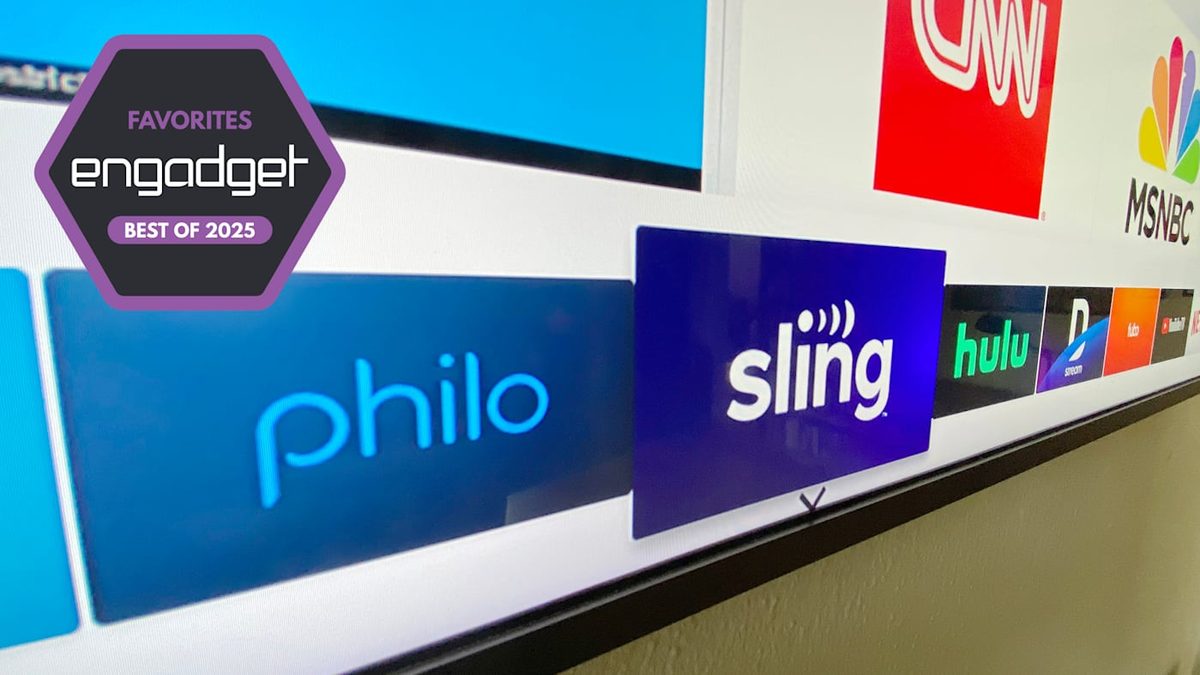
- The price of major streaming services like YouTube TV, Hulu + Live TV, Sling, and Fubo has increased significantly in the past year.
- Despite these price hikes, live TV streaming can still be cheaper than traditional cable in many markets.
- Live TV services provide access to a wide range of channels, including sports, news, and entertainment, without the need for a long-term contract.
- Many streaming platforms have begun to include live sports and local channels in their offerings, further bridging the gap with traditional cable.
Background
Approximately a decade ago, the steep rise in cable prices led to the emergence of live TV streaming services, which provided a contract-free, cost-effective alternative. Initially embraced for their affordability and flexibility, these services attracted a considerable user base. For many, the ability to unsubscribe without penalty was a significant factor in their appeal. In 2025, however, the pricing dynamics have shifted considerably, with various providers incrementally raising their monthly fees, often resulting in subscription costs that rival traditional cable.
The trend of rising costs is evident, as YouTube TV and Hulu + Live TV both announced increases in their subscription rates. For instance, YouTube TV's subscription now exceeds $75, making it essential for consumers to assess whether they are indeed saving money by switching to streaming. This shift may lead some users to reconsider their streaming choices or return to cable offerings.
Impact Analysis
The increasing subscription costs among streaming services have significant implications for consumers, particularly those who have transitioned from traditional cable. As streaming platforms raise prices, the financial advantage they once held diminishes. This situation could result in consumers feeling 'cable trapped' once again, as alternatives become less distinguishable from traditional cable arrangements.
Moreover, the diverse range of channels offered by streaming services can be deceiving. While many platforms tout extensive channel lineups, the actual availability of desired content, particularly local channels and sports networks, varies significantly by region. Some services may lack key regional sports networks or local broadcast affiliates, which can impact a consumer's viewing experience.
With the growing number of services and their respective offerings, consumers are faced with an overwhelming array of choices, making it more difficult to determine which plan best suits their needs. This complexity may lead to frustration and confusion as viewers attempt to navigate the myriad options available in the marketplace.
Broader Context
The landscape of live TV streaming services is further complicated by the ongoing evolution of content delivery methods. As more traditional cable networks venture into the streaming space, the lines between cable and streaming services blur. Companies like Peacock and Paramount+ are integrating live components into their platforms, providing subscribers access to live broadcasts alongside their on-demand libraries.
Additionally, free ad-supported streaming services have gained traction, offering viewers an alternative to paid subscriptions. Platforms like Tubi, Pluto TV, and Freevee allow users to access limited live channels for free, albeit with the trade-off of advertisements. This trend could shift consumer behavior as viewers seek affordable content options without the burden of monthly payments.
Future Outlook
Looking ahead, the future of live TV streaming services will likely hinge on several factors, including pricing strategies, content offerings, and user experience. As competition intensifies, companies may need to rethink their pricing models and find ways to deliver value to subscribers. This could involve bundling services, enhancing user interfaces, or providing exclusive content that can't be found elsewhere.
The integration of 4K streaming and advanced features, such as picture-in-picture and multiview capabilities, may also play a role in differentiating services. As consumers become more accustomed to high-definition content, the demand for quality streaming options will only increase.
Furthermore, the potential emergence of new players in the streaming arena could disrupt the current landscape. Established media companies are increasingly investing in their streaming platforms, which may lead to further consolidation or partnerships among providers.
Conclusion
In summary, while live TV streaming services continue to offer a compelling alternative to traditional cable, the rising subscription costs present new challenges for consumers. The ability to navigate this complex landscape will be crucial for viewers seeking to maximize their entertainment options while minimizing expenses. As the industry evolves, staying informed about pricing changes, content offerings, and technological advancements will be essential for making informed decisions about television viewing in 2025 and beyond.