Loneliness and Isolation Could Cost Up To Six Years of Healthy Life, Major Study Reveals
Introduction
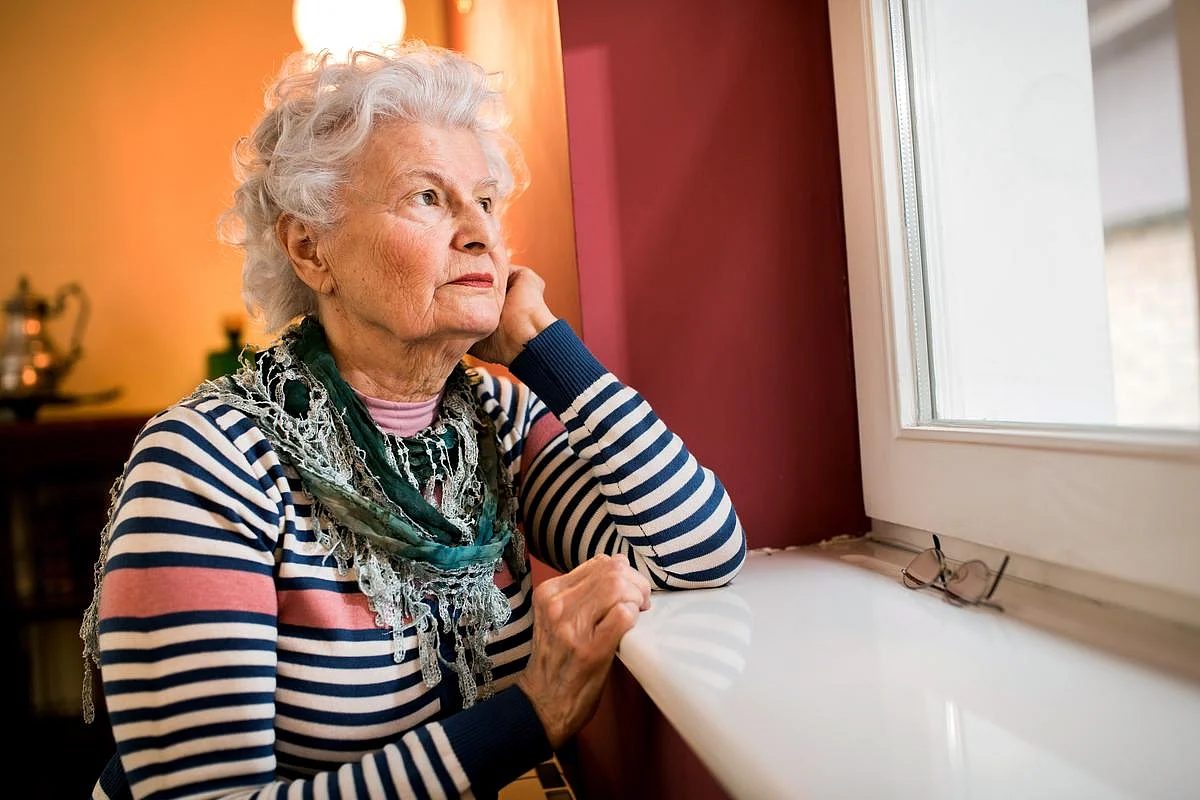
The profound impact of social connections on human health is once again underscored by a significant new study. Researchers have found that feelings of loneliness and the state of social isolation can dramatically shorten the number of years individuals can expect to live free from major physical and mental illnesses. The study, published in the prestigious journal Nature Communications, suggests that these psychosocial factors can strip away as much as six years of healthy life, highlighting a critical public health concern.
Key Details
- Significant Health Loss: Loneliness and social isolation combined can reduce disease-free life expectancy by several years.
- Gender Disparities: Women experienced a loss of 2.4 years free from physical ailments and 3.7 years free from mental disorders. Men faced a more severe impact on mental health, losing 5.8 disease-free years, while physical health saw a reduction of 1.7 years.
- Study Population: The research analyzed data from over 277,000 participants aged 40-69 in the UK Biobank, all initially free from seven major health conditions (diabetes, heart disease, lung disease, dementia, cancer, depression, and anxiety).
- Focus on Disease-Free Years: The study specifically measured the impact on "disease-free life expectancy," starting from age 50.
- Lifestyle Factors: While healthy habits like diet, exercise, and not smoking helped to narrow the loss of disease-free years associated with social isolation, they did not significantly offset the health risks posed by loneliness itself.
- Prevalence: Background notes indicated that roughly half of all U.S. adults report experiencing loneliness, with a similar number feeling socially isolated.
Background
The study differentiates between social isolation, defined as having limited social contact or few relationships, and loneliness, which is the subjective, distressing feeling of lacking meaningful connection. It is possible to be socially isolated without feeling lonely, provided the existing connections meet an individual's needs. The researchers, led by Dr. Lu Qi, a professor at Tulane University’s School of Public Health and Tropical Medicine, utilized data from the UK Biobank, a large-scale, long-term study that collects genetic, lifestyle, and health information from a vast number of UK residents. This rich dataset allowed for a robust analysis of how these psychosocial factors correlate with long-term health outcomes.
“Overall, the study found that social isolation and loneliness can have a significant impact on disease-free life expectancy,” senior researcher Dr. Lu Qi stated. “This includes both physical and mental disease.”
Impact Analysis
The findings reveal a stark reality: the absence of strong social ties and the presence of loneliness are potent predictors of diminished healthspan. The differential impact on men and women is particularly noteworthy. Men appear to be more vulnerable to the mental health consequences of loneliness, losing nearly six years of life free from mental disorders. This aligns with existing research suggesting men may be less adept at seeking or maintaining supportive social networks, or perhaps less likely to articulate feelings of loneliness. While women also experienced significant losses, particularly in physical health years, their longer average lifespan might offer some buffer against the cumulative effects of chronic conditions. The fact that healthy lifestyle choices could mitigate some of the risks from social isolation but not loneliness suggests that the subjective experience of feeling connected is a fundamental human need that cannot be entirely compensated for by physical well-being alone.
Broader Context
This research adds to a growing body of evidence linking social determinants of health to tangible health outcomes. Loneliness and isolation are increasingly recognized not just as personal experiences but as significant public health issues with consequences comparable to well-established risk factors like smoking or poor diet. The high prevalence rates cited—nearly half of U.S. adults experiencing loneliness or isolation—suggest a widespread societal challenge. This could be exacerbated by modern trends such as increased reliance on digital communication over face-to-face interaction, urban living patterns that can sometimes foster anonymity, and an aging population where social networks may shrink due to bereavement or mobility issues.
Future Outlook
The implications for public health policy and individual behavior are substantial. Interventions aimed at fostering social connection, particularly for vulnerable populations, may be crucial in extending healthy lifespans. This could involve community programs, intergenerational initiatives, and even workplace strategies designed to combat isolation. For individuals, the study serves as a powerful reminder that nurturing social relationships is as vital for long-term health as maintaining a healthy diet or exercising regularly. Future research could explore the specific mechanisms through which loneliness impacts health at a biological level and investigate the most effective strategies for building and maintaining meaningful social connections across different demographics.
Conclusion
In conclusion, this large-scale study provides compelling evidence that loneliness and social isolation are not merely unpleasant feelings but serious threats to healthy longevity. The potential loss of up to six years of disease-free life, particularly impacting mental health in men, demands attention from healthcare providers, policymakers, and individuals alike. While healthy habits offer some protection, the fundamental need for social connection remains paramount. Addressing the epidemic of loneliness and isolation is essential for improving public health and enhancing the quality of life for millions.
Source: drugs.com