Tatyana Ali Champions Black and Indigenous Maternal Health After Traumatic Birth Experience
Introduction
Actor and singer Tatyana Ali, widely recognized for her role as Ashley Banks in the 1990s sitcom The Fresh Prince of Bel-Air, has emerged as a powerful advocate for improving maternity care outcomes for Black and Indigenous mothers. Her personal journey, marked by a traumatic childbirth experience she describes as “obstetric violence,” has fueled a passionate commitment to addressing systemic racism and inequities within the healthcare system. Ali’s advocacy is part of a broader movement pushing for reproductive justice and ensuring safer, more equitable birth experiences for all women, particularly those most vulnerable.
Key Details
- Tatyana Ali experienced what she terms “obstetric violence” during the delivery of her first son, Aszi, in 2016.
- Her birth plan was reportedly ignored, and she was physically restrained during a chaotic and aggressive delivery.
- The medical team employed the Zavanelli maneuver, a rare emergency procedure, when Ali’s son was already crowning, followed by an emergency C-section.
- Ali believes her experience is indicative of systemic racism in healthcare, noting similar stories from other women of color.
- Black mothers in the U.S. face significantly higher risks, being more than three times as likely to die from pregnancy-related causes compared to white women.
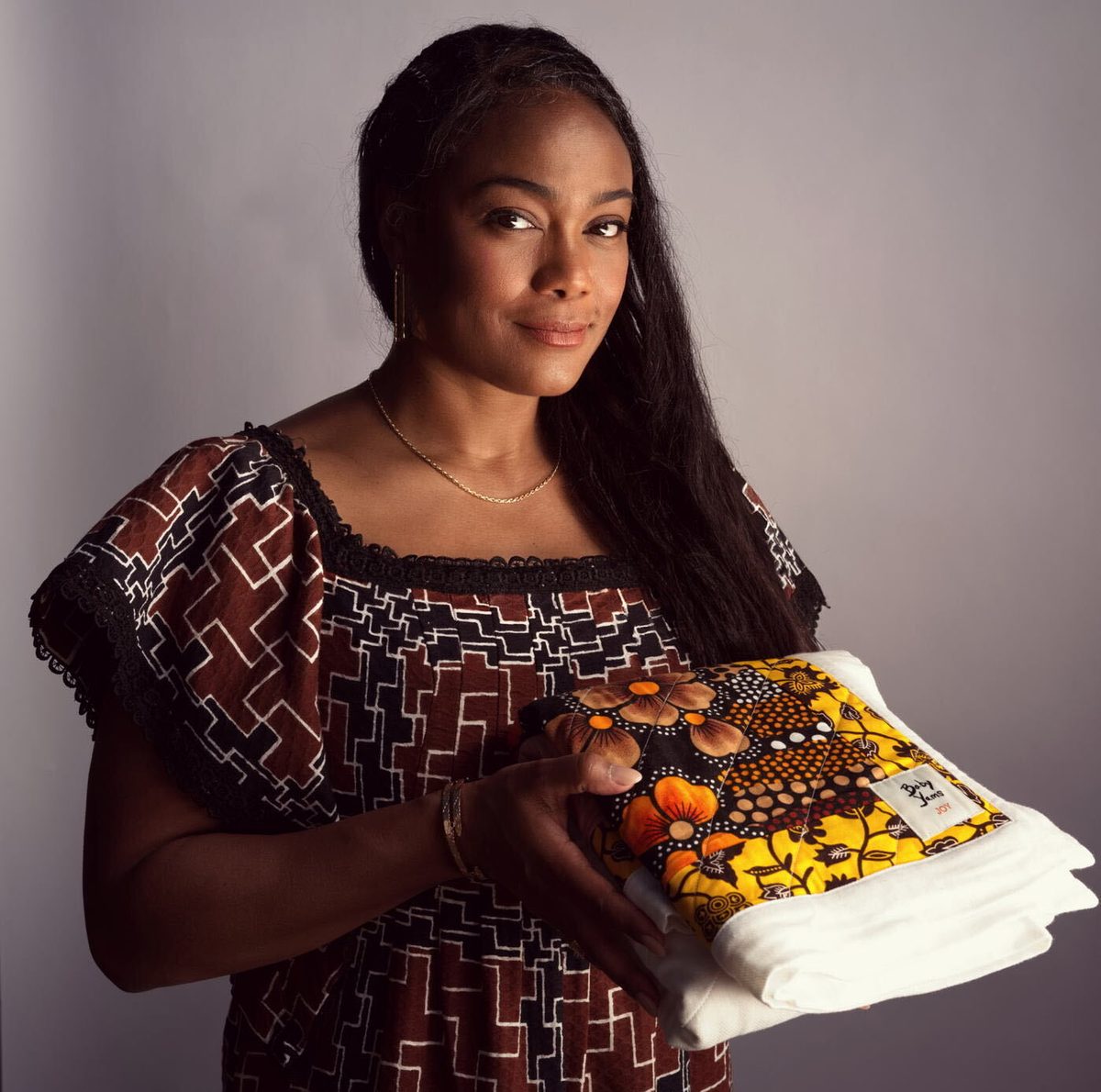
- Ali founded Baby Yams, a business that funds grants for Black and Indigenous birth workers and students, and donates to the Birth Future Foundation.
- The Birth Future Foundation provides financial support to midwives, doulas, and student birth workers.
- Nadia Gramby, a midwife in Alabama, benefited from a Birth Future Foundation scholarship funded by Ali, enabling her to advance her career.
- Midwives are highlighted as critical to expanding access to maternity care, especially in underserved communities, though challenges remain regarding physician supervision and reimbursement.
Background
The United States has one of the highest maternal mortality rates among developed nations. In 2024, federal data indicated 649 maternal deaths. However, these statistics mask profound racial disparities. Black mothers are more than three times as likely to die from pregnancy-related causes than white women. This stark reality has prompted concern and action within the medical community. Dr. Tamika Auguste, chair of women's and infants' services at MedStar Washington Hospital Center, acknowledges the deep-seated issues, stating, “I can't tell you how many Black women have said to me: ‘Hey Doc, don't let me die.’” She emphasizes the need to address not only medical protocols for conditions like cardiac issues and hypertension, which disproportionately affect Black women, but also the pervasive issue of implicit bias, including the dangerous misconception that Black patients have a higher pain threshold.
Impact Analysis
Ali’s personal narrative serves as a powerful catalyst for change. By sharing her story, she brings a human face to the alarming statistics surrounding Black maternal mortality. Her experience with the Zavanelli maneuver, a high-risk procedure used in specific emergency situations, underscores the potential for medical interventions to become traumatic when not handled with appropriate care and communication. The physical restraint and chaotic environment she described highlight critical failures in patient advocacy and respectful treatment. Ali’s subsequent advocacy, including founding Baby Yams and supporting the Birth Future Foundation, directly addresses the need for financial support for Black and Indigenous birth workers. This initiative aims to bolster the ranks of culturally competent caregivers who can provide more equitable and understanding care, particularly in areas with limited access to maternity services.
“We deserve to be cared for. We deserve to have choices. We deserve to have control over our own bodies. We are beautiful. We are deserving of loving hands.”
Broader Context
The challenges faced by Black and Indigenous mothers are compounded by broader systemic issues within the U.S. healthcare landscape. Maternity care deserts, areas with limited or no hospital-based labor and delivery services, disproportionately affect communities of color, particularly in the South. According to the March of Dimes, more than half of U.S. counties lack these essential services. Furthermore, people of color are more likely to be uninsured, creating significant financial barriers to accessing quality care. The closure of maternity wards, often due to financial pressures, exacerbates this crisis. Ali’s work intersects with efforts to expand the role of midwives and doulas, who are crucial for increasing access, especially in rural and under-resourced areas. However, debates continue regarding the safety of out-of-hospital births and the regulatory frameworks governing midwifery practice.
Future Outlook
Tatyana Ali’s continued advocacy, coupled with the work of organizations like the Birth Future Foundation and initiatives promoting midwifery, offers a hopeful path forward. The increasing recognition of implicit bias in healthcare and the push for more collaborative care models involving physicians, midwives, and doulas are positive steps. However, sustained policy changes are necessary to ensure equitable reimbursement rates, remove barriers to midwife practice, and invest in maternity care infrastructure. The future of Black and Indigenous maternal health hinges on a multi-faceted approach that tackles systemic racism, improves access to care, and empowers women with knowledge and choices throughout their childbirth journey. Ali’s personal transformation from victim to advocate demonstrates the profound impact one individual can have in driving systemic change.
Conclusion
Tatyana Ali’s courageous sharing of her personal experience with obstetric violence has illuminated the critical issues of systemic racism and inequity in maternal healthcare for Black and Indigenous women. Her advocacy, embodied by her business Baby Yams and support for birth workers, provides tangible solutions and inspiration. As the U.S. grapples with its alarmingly high maternal mortality rates and stark racial disparities, Ali’s voice serves as a powerful reminder that achieving equitable birth outcomes requires addressing bias, expanding access to care, and centering the voices and experiences of those most affected. Her journey underscores the universal right to respectful, safe, and informed maternity care.
Source: npr.org