NASA Doubles Down on Troubled Boeing Starliner, Securing Future Access to Space
Introduction
NASA has announced a significant financial commitment to Boeing's beleaguered Starliner spacecraft, signaling a strategic decision to maintain reliable access to low-Earth orbit. The space agency will provide an additional $359 million to address critical technical issues and certify a new launch vehicle, while also exercising options for two more crewed missions. This move underscores NASA's determination to have a robust backup for astronaut transportation, even as its primary partner, SpaceX, shifts focus to its next-generation Starship program.
Key Details
- NASA will provide $359 million in funding to Boeing.
- This funding is earmarked for rebuilding the Starliner's reaction control system thrusters and certifying the Vulcan rocket for human spaceflight.
- NASA is purchasing two additional crewed flights on the Starliner, bringing the total contracted missions to six.
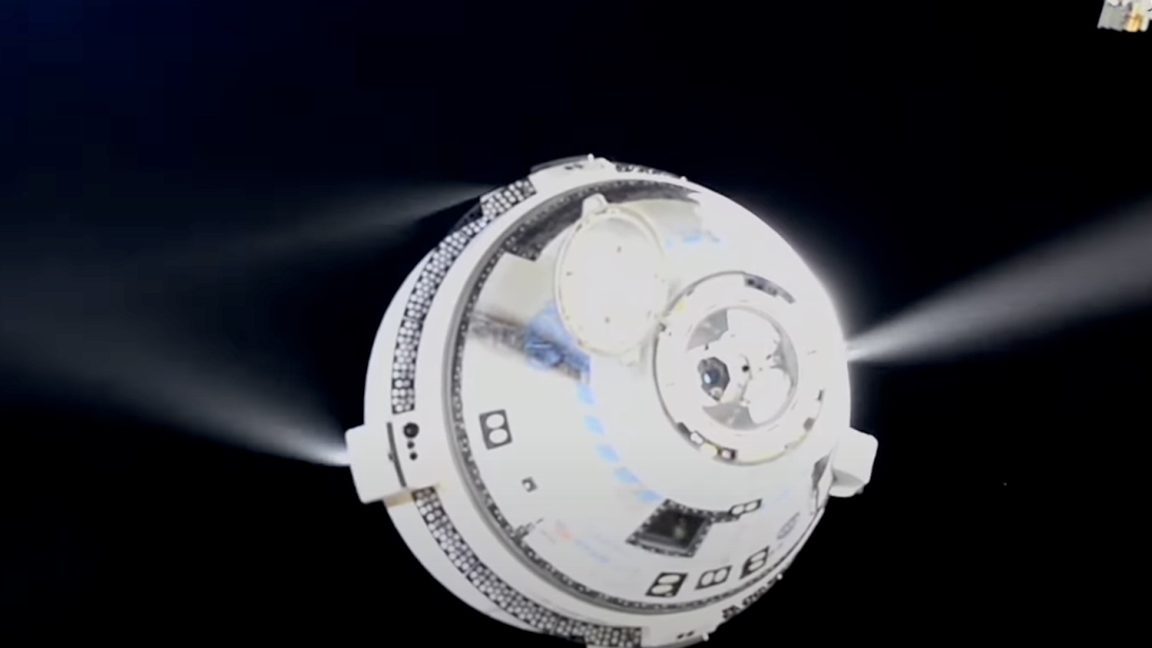
- The decision comes after Starliner experienced significant thruster issues during its first crewed test flight in June 2024, which nearly endangered the astronauts.
- SpaceX, the other commercial crew provider, is phasing out its Falcon 9 and Dragon vehicles to concentrate on Starship.
- Veteran astronaut Woody Hoburg will command the Starliner-2 mission, potentially launching in mid-2028.
Background
The Boeing Starliner program has been plagued by delays and technical setbacks since its inception. Initial uncrewed test flights in 2019 and 2022 encountered numerous problems, casting doubt on the vehicle's readiness for human spaceflight. The most critical incident occurred during the first crewed test flight in June 2024, when thruster malfunctions led to a near-catastrophic situation for astronauts Butch Wilmore and Suni Williams. These persistent issues have already cost Boeing over $2 billion, and the company had reportedly considered withdrawing from the program. NASA's continued investment, despite the program's financial and technical challenges, highlights the critical need for redundancy in its crewed spaceflight capabilities.
Impact Analysis
This decision by NASA has profound implications for both Boeing and the future of human spaceflight. For Boeing, the additional funding offers a lifeline to the Starliner program, allowing it to address the critical thruster issues and pursue certification for the Vulcan rocket. This is crucial for the company's reputation and its ability to compete in the lucrative space transportation market. For NASA, the move ensures a vital second option for transporting astronauts to the International Space Station (ISS) as SpaceX pivots towards Starship. This redundancy is paramount for mission continuity and crew safety, mitigating the risks associated with relying on a single provider. The certification of the Vulcan rocket is also a significant step, potentially opening up new launch capabilities for future NASA missions.
Broader Context
The Commercial Crew Program, initiated by NASA to foster private sector development of human spaceflight capabilities, has been a cornerstone of the agency's strategy for accessing low-Earth orbit. While SpaceX's Crew Dragon has been a resounding success, Starliner's protracted development highlights the inherent risks and complexities of pioneering new space technologies. The program's success is not solely measured by the number of flights but also by the establishment of a competitive and resilient ecosystem. NASA's continued support for Starliner, despite its difficulties, reflects a strategic imperative to cultivate multiple independent capabilities, thereby strengthening the overall robustness of U.S. access to space. This approach is particularly relevant as the agency plans for extended human presence on the Moon and eventual missions to Mars.
Future Outlook
With this renewed commitment, the Starliner program faces a critical juncture. The successful repair and certification of the thruster system, along with the Vulcan rocket, will be paramount. NASA will be closely monitoring the performance of Starliner on its upcoming missions, including the uncrewed demonstration flight planned for late 2026 or early 2027, and the subsequent crewed flights. The agency's decision to order two additional missions suggests a degree of confidence, but the program's long-term viability will depend on consistent, safe, and reliable operations. The retirement of the Atlas V rocket also adds urgency to the Vulcan certification process. Ultimately, Starliner's success will be measured by its ability to provide dependable transportation for astronauts, complementing SpaceX's evolving capabilities and ensuring NASA's continued presence in low-Earth orbit.
Conclusion
NASA's decision to inject further funding and order additional flights for Boeing's Starliner represents a strategic gamble aimed at securing long-term access to space. Despite the program's history of setbacks and significant financial losses for Boeing, the space agency views Starliner as an indispensable component of its crewed transportation architecture. This investment underscores the critical importance of redundancy and competition in the burgeoning commercial space sector. As Boeing works to overcome its technical hurdles, the success of Starliner will be closely watched, not only as a testament to the company's resilience but also as a crucial element in NASA's ambitious plans for continued human exploration and scientific endeavors in orbit and beyond.
Source: arstechnica.com