Rosneft Condemns EU Sanctions on India’s Nayara Energy as Unwarranted and Detrimental
Introduction
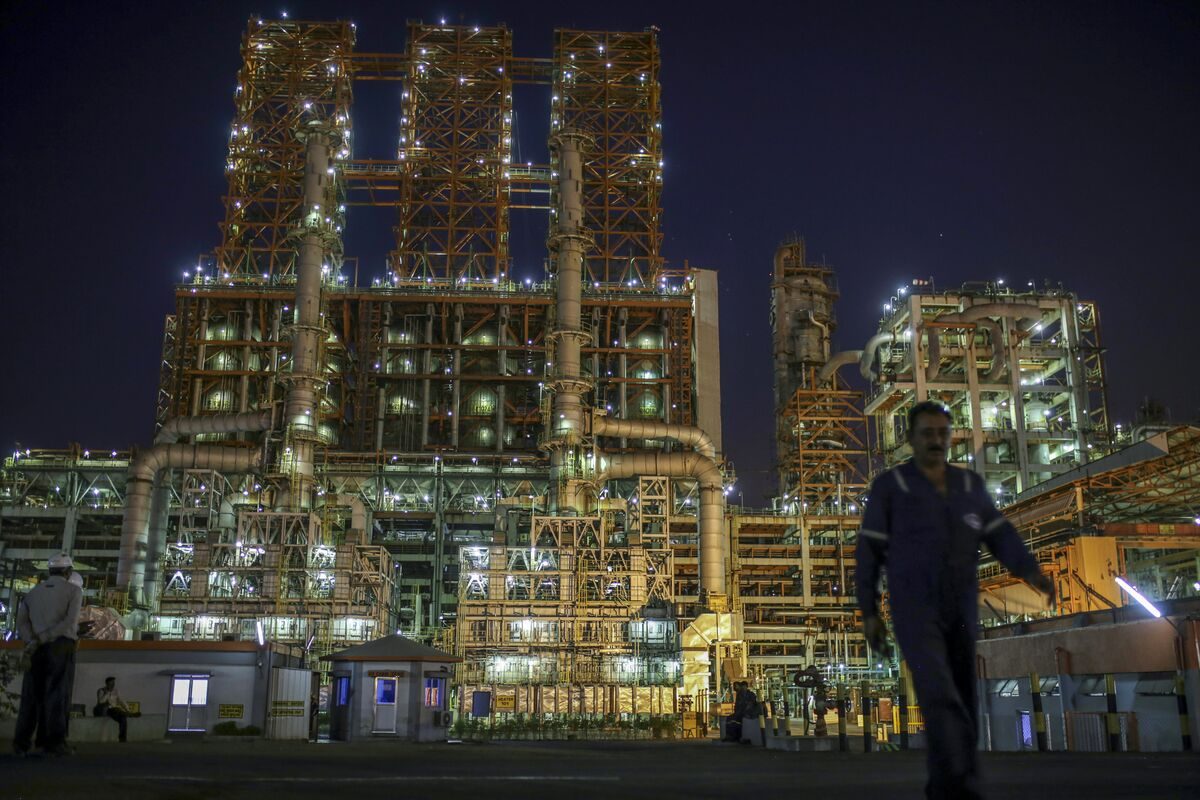
The European Union recently imposed sanctions targeting Nayara Energy Ltd., an Indian oil refining company in which Russian energy giant Rosneft holds significant ownership alongside commodity trader Trafigura Group. The move has drawn sharp criticism from Rosneft, which described the sanctions as unjustified and detrimental, not only to the company itself but also to broader Indo-European economic relations. Nayara Energy’s Vadinar Refinery, located in the Indian state of Gujarat, represents a key asset in India’s energy sector and a symbol of foreign direct investment cooperation between Russia, Europe, and India.
Key Details
- Nayara Energy Ltd., formerly known as Essar Oil Ltd., is a major oil refinery company operating the Vadinar Refinery complex in Gujarat, India.
- The refinery was acquired in a $13 billion deal, the largest foreign direct investment (FDI) in India’s history at the time, with Rosneft and Trafigura as key stakeholders.
- The EU sanctions specifically target Rosneft’s interests in Nayara Energy, aiming to limit Russian influence amid ongoing geopolitical tensions.
- Rosneft emphatically rejects these measures, labelling them as unjustified and harmful to economic cooperation and energy stability.
Background
The acquisition of Essar Oil by Rosneft and Trafigura in 2017 was a landmark event in India’s economic landscape. At approximately $13 billion, it marked a significant inflow of foreign direct investment and enhanced the energy infrastructure capacity of India through the Vadinar complex. This complex is renowned for being one of India’s largest and most advanced refineries, capable of processing heavy crude oil with state-of-the-art technology.
Rosneft's purchase was strategic, aiming to secure a foothold in South Asia’s rapidly growing energy market and to diversify Russia’s oil sales channels beyond Europe and China. Meanwhile, for India, the foreign investment was critical for energy security and industrial growth.
In the context of escalating geopolitical tensions between Russia and Western countries, particularly driven by the conflict in Ukraine and associated sanctions regimes, the EU has broadened its targets to include Russian assets and joint ventures abroad. These sanctions affect companies with significant Russian ownership, even if their operations are based in non-Western nations.
Analysis
Rosneft’s condemnation of these EU sanctions highlights a complex intersection of geopolitics, energy security, and international investment dynamics. The company argues that Nayara Energy operates fully within the laws and economic frameworks of India and that EU sanctions overreach by attempting to penalize foreign investments in countries not party to the conflict or sanctions.
From the EU’s perspective, targeting entities like Nayara Energy is part of a broader strategy to exert pressure on the Russian economy by disrupting its access to capital and revenue through international assets. However, critics point out that this approach could undermine global energy stability, especially in markets like India that are increasingly reliant on energy imports to fuel their growing economies.
Moreover, the sanctions could have unintended consequences by straining economic relations between the EU and India, a key strategic partner in the region. India values its sovereignty in economic decisions and has historically resisted external pressures that affect its domestic companies and infrastructure projects.
It is also worth noting that Trafigura, a Singapore-based multinational commodity trading company co-owning Nayara Energy, has emphasized the company’s commitment to compliance with local and international regulations, further complicating the sanctions’ implications.
Conclusion
The EU sanctions against Nayara Energy Ltd. represent a significant flashpoint in international relations, exemplifying how geopolitical conflicts ripple through global business networks. While intended to weaken Russian financial power, these measures also risk collateral damage to business interests and energy security in India, a non-aligned country.
Rosneft’s firm rejection of the sanctions underscores the challenges of balancing strategic geopolitical objectives with the realities of an interconnected global economy. As the situation continues to evolve, stakeholders across Europe, Russia, and India will need to navigate these tensions carefully to minimize disruptions and maintain constructive economic ties.