Airbus Employees Mobilize for Strike Action Amid Pay Disputes
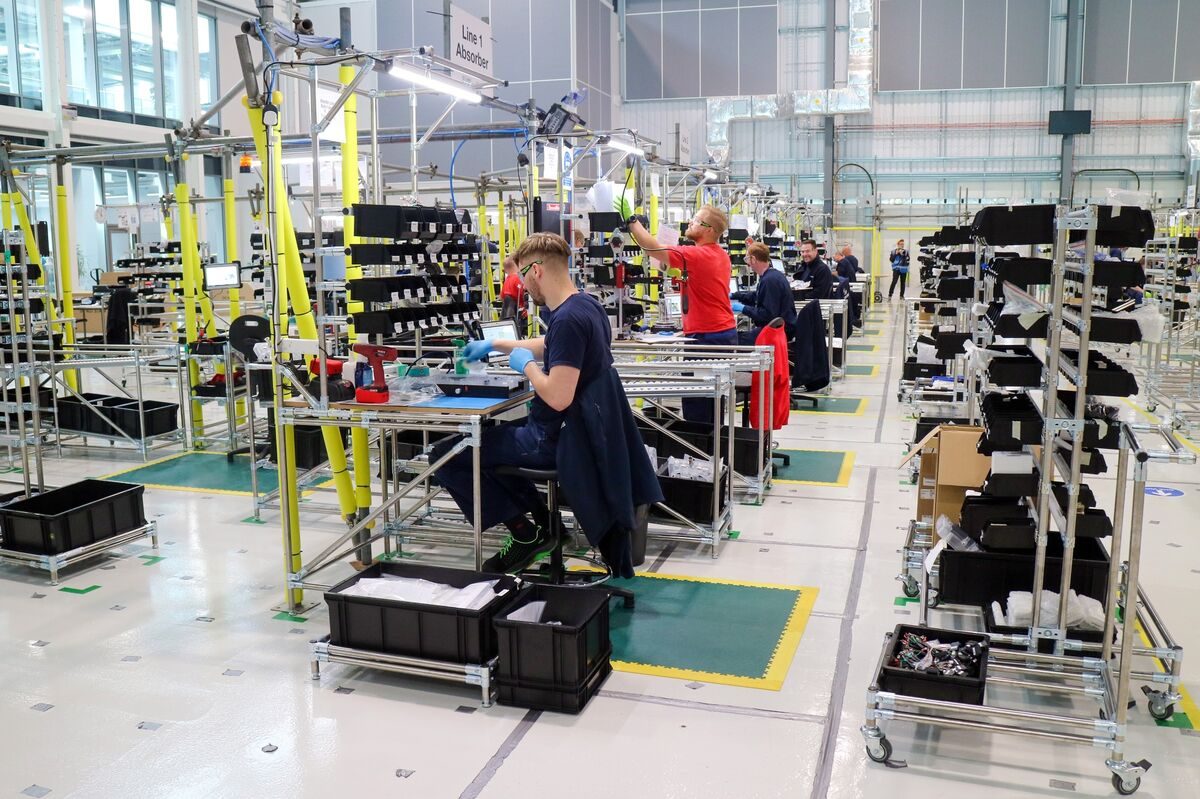
Airbus Employees Mobilize for Strike Action Amid Pay Disputes
Introduction
The aerospace industry is facing significant labor unrest as employees at Airbus wing manufacturing facilities have voted overwhelmingly in favor of strike action over pay disputes. This decision reflects broader economic challenges and the ongoing struggle workers face in securing fair compensation in an evolving market. As tensions mount, the implications of this strike could ripple across the aerospace sector, affecting production schedules and supply chains.
Key Details
- Voting Outcome: The majority of employees at Airbus's wing factories have expressed their discontent regarding current pay levels, leading to the vote for strike action.
- Reasons for Strike: Workers cite insufficient wage increases and rising living costs as primary motivators for their decision to strike.
- Impact on Production: A strike could significantly disrupt Airbus’s production capabilities, particularly as the company struggles with post-pandemic recovery.
- Broader Context: This vote is part of a growing trend across various sectors where workers are increasingly willing to take action for better pay and conditions.
Background
Airbus, a major player in the global aerospace market, has been navigating through a challenging landscape since the onset of the COVID-19 pandemic. The pandemic severely impacted air travel, causing a downturn in aircraft production and leading to cost-cutting measures, including layoffs and furloughs. As the industry begins to recover, workers find themselves grappling with stagnating wages, despite the rising costs of living and inflationary pressures.
In recent times, there has been a notable shift in workplace dynamics, where employees are becoming more vocal about their rights and demands. The strike vote at Airbus is a clear indicator of this trend, mirroring similar movements seen in other industries. Workers are increasingly asserting their needs, and the current economic climate appears to have galvanized them to take collective action.
Analysis
The decision to strike at Airbus is emblematic of a larger movement within the labor force, particularly in sectors that have faced significant disruptions due to the pandemic. Workers are not only seeking fair wages but also better working conditions and job security. The aerospace sector has historically been known for its highly skilled labor force, which has often negotiated strong contracts, but current circumstances have led to a reevaluation of what constitutes fair compensation.
A strike at Airbus could have far-reaching implications, not just for the company but for the entire aerospace supply chain. Delays in production could lead to missed delivery deadlines, affecting airlines that are already struggling to meet rising demands as travel resumes. Moreover, if Airbus workers successfully negotiate improved pay, it may set a precedent for other companies in the industry, potentially leading to a wave of similar actions across the sector.
Economic experts suggest that this situation underscores the growing divide between corporate profits and employee compensation. Many leading companies, including Airbus, have reported recovering profits post-pandemic, yet workers are still feeling the pinch of economic hardships. This discrepancy may lead to increasing dissatisfaction among the workforce, potentially resulting in more frequent labor actions if not addressed adequately.
Conclusion
The vote for strike action by Airbus workers highlights an essential moment in labor relations within the aerospace industry and beyond. As employees demand better pay and conditions, companies will need to respond thoughtfully to avoid further unrest. The outcome of this situation will not only affect the immediate stakeholders but may also have long-lasting impacts on labor relations, wage structures, and the overall working environment in the aerospace sector. As this situation unfolds, all eyes will be on Airbus to see how they navigate these challenges and whether they can reach a satisfactory resolution with their workforce.