Ring Unveils Smart Lock with Innovative Manual Power Dial, Eliminating Lockout Fears
Introduction
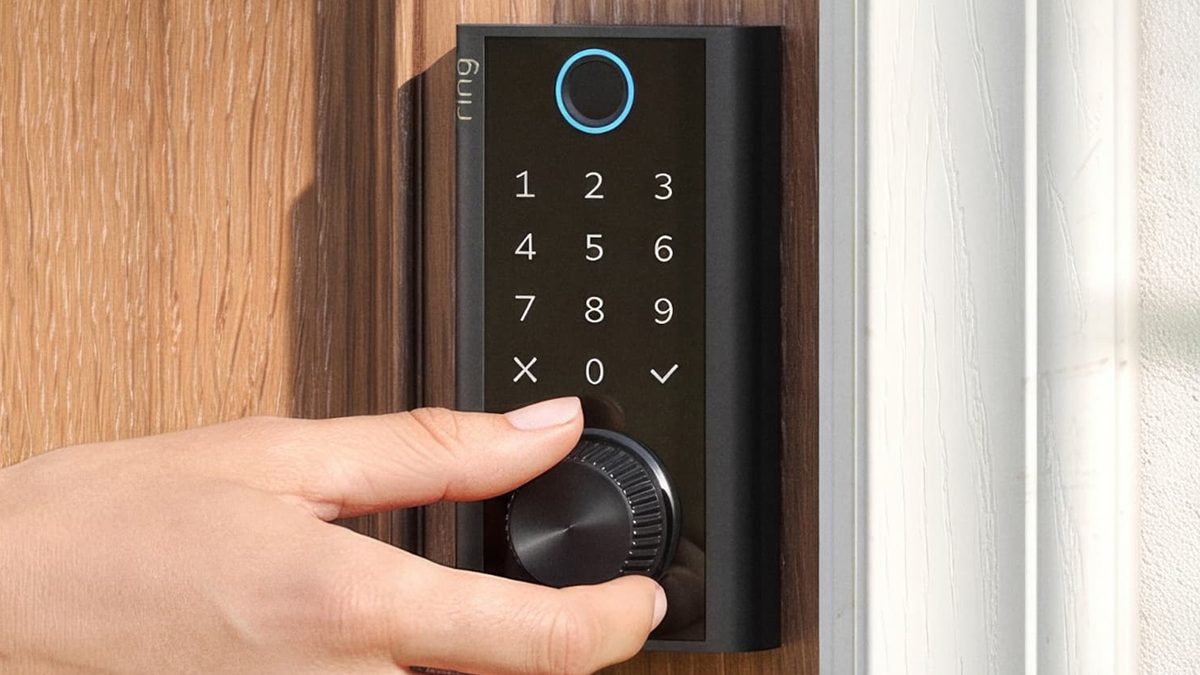
Ring, a prominent name in the home security sector, has announced its first-ever smart lock, addressing a significant pain point for consumers: the fear of being locked out due to a dead battery. Unlike traditional smart locks that might render themselves inoperable without power, the new Ring Smart Lock introduces an innovative manual energy dial, providing a fallback mechanism that ensures users can always regain access to their homes.
Key Details
- Innovative Power Source: The lock features a hand-powered energy dial on its external body. By manually turning this dial, users can generate enough electricity to power the lock temporarily, allowing for entry via PIN or fingerprint.
- Multiple Unlocking Methods: Beyond the manual power option, the Ring Smart Lock supports unlocking through PIN codes (including temporary ones for guests), fingerprint scanning, voice commands via Alexa, and the Ring mobile application.
- Rechargeable Battery: The lock utilizes a Quick Release Ultra battery pack that can be easily removed and recharged, eliminating the need for frequent battery replacements.
- Aesthetic Options: The smart lock will be available in three finishes: black, silver, and brass, allowing it to complement various home exteriors.
- Price Point: The device is set to retail at $250.
- Availability: Launch is anticipated in early 2027, with a specific date yet to be announced. Interested customers can sign up for availability notifications.
Background
The smart lock market has seen significant growth, driven by consumer demand for enhanced security and convenience. However, a persistent concern has been the reliability of these devices when faced with power outages or battery depletion. Many existing solutions rely on physical keys as a backup, which can be inconvenient to carry or easily lost. Some newer models offer alternative power sources like a 9V battery terminal or a USB-C port for external power banks, but these solutions require users to have specific items readily available, which is not always practical in an emergency.
Impact Analysis
Ring's introduction of a manual energy dial directly tackles the vulnerability of battery-dependent smart locks. This feature offers a unique and potentially more reliable solution than carrying a spare physical key or relying on external power sources that might not be at hand. The ability to generate power simply by turning a dial provides a tangible sense of security, assuring users that they will not be locked out, regardless of battery status. This could be particularly beneficial for families with children or individuals who frequently forget to check battery levels. The convenience of a rechargeable battery pack further enhances the user experience, reducing long-term costs and environmental impact.
“The idea of a smart lock you can still open with a dead battery sounds quite attractive and is something I’d prefer over carrying a backup key.”
Broader Context
The move by Ring, a subsidiary of Amazon, into the smart lock market signifies a deepening integration of its smart home ecosystem. By offering a smart lock that works seamlessly with Alexa and the Ring app, the company aims to provide a more comprehensive home security solution. This product launch also reflects a broader trend in the smart home industry towards addressing user-centric issues and enhancing the practical usability of connected devices. As consumers become more invested in smart home technology, manufacturers are increasingly focusing on reliability, convenience, and user-friendly features that simplify daily life.
Future Outlook
While the manual power dial is a significant innovation, several questions remain regarding the Ring Smart Lock's full capabilities. Key details such as estimated battery life, compatibility with emerging standards like Matter, and the number of turns required on the energy dial to generate sufficient power are yet to be confirmed. Further testing will be crucial to assess the real-world reliability and effectiveness of the hand-crank mechanism compared to traditional backup methods. The success of the Ring Smart Lock will likely depend on its performance, integration with other smart home devices, and its ability to deliver on the promise of uninterrupted access.
Conclusion
Ring's new smart lock represents a thoughtful approach to a common problem in the smart lock category. The inclusion of a manual energy dial is a standout feature that prioritizes user accessibility and peace of mind. Combined with multiple unlocking options and a rechargeable battery system, the Ring Smart Lock appears poised to offer a compelling alternative in the competitive smart home security market. Its launch in early 2027 will be keenly watched by consumers and industry experts alike, eager to see if this innovative solution lives up to its potential.
Source: zdnet.com