Late-Night Eating Linked to 36% Higher Risk of Fatty Liver Disease
Introduction
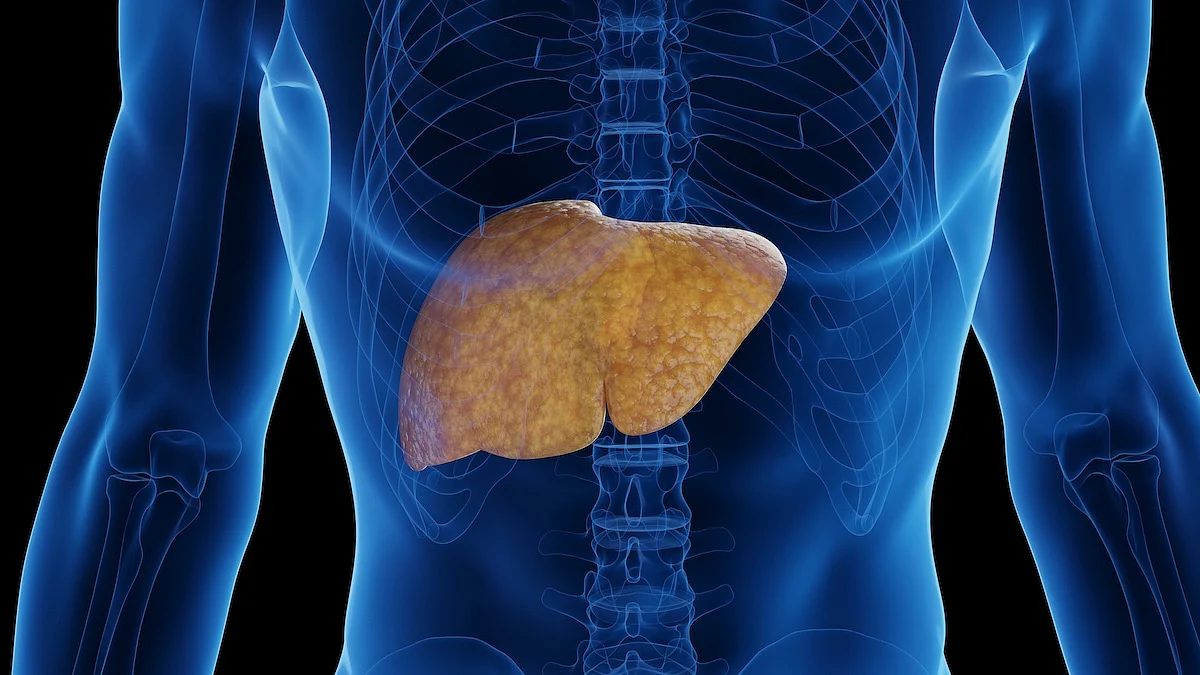
That late-night snack, often a comfort after a long day, might be silently harming your liver. Emerging research indicates a strong correlation between late-night eating habits and an increased risk of developing serious liver conditions, specifically metabolic dysfunction-associated steatotic liver disease (MASLD), formerly known as non-alcoholic fatty liver disease (NAFLD), and cirrhosis. This finding challenges the common perception that late-night eating primarily impacts weight gain, revealing a more profound health consequence.
Key Details
- A long-term analysis involving nearly 200,000 healthy individuals revealed that those who ate after dinner or bedtime had a 36% higher risk of developing MASLD.
- Furthermore, these individuals showed a 28% higher risk of developing cirrhosis, a severe form of liver scarring.
- The study adjusted for crucial confounding factors such as age, diabetes status, physical activity levels, and body mass index (BMI), reinforcing the independent association between late-night eating and liver disease.
- The findings were published in the prestigious journal Clinical Gastroenterology and Hepatology.
Background
The liver is a vital organ responsible for processing nutrients, detoxifying the body, and regulating metabolism. Conditions like MASLD, characterized by the buildup of fat in the liver, are increasingly prevalent globally and are closely linked to metabolic health. Traditionally, risk factors for MASLD have focused on diet composition, obesity, and insulin resistance. However, this study introduces meal timing as a significant, previously underestimated, factor.
Dr. Robert Wilechansky, a hepatologist at Oregon Health & Science University and lead author of the study, commented on the significance of the findings. “A few studies have hinted at this idea but this is among the first long-term analyses to explicitly draw the connection to fatty liver disease,” he stated in a news release. His expertise in liver transplantation lends considerable weight to this research.
Impact Analysis
The observed increase in risk for MASLD and cirrhosis associated with late-night eating is substantial. The 36% higher risk for MASLD suggests that the timing of food intake could be as critical as the quantity or quality of food consumed. The liver's metabolic processes are believed to follow a circadian rhythm, meaning they are optimized for activity during certain times of the day. Eating late at night may disrupt these natural rhythms, leading to impaired fat metabolism and increased fat deposition in the liver.
Moreover, late-night eating often coincides with less healthy food choices and larger portion sizes, further exacerbating the risk. It can also contribute to disrupted sleep patterns, which are independently linked to metabolic disturbances. The study’s consistency even after adjusting for BMI is particularly noteworthy, indicating that the detrimental effects of late-night eating on the liver may occur independently of overall weight status.
“The big takeaway here is that confining your calorie intake to several hours before bedtime might be beneficial,” Wilechansky said.
Broader Context
The rise in MASLD is a significant public health concern, often referred to as the “silent epidemic” due to its asymptomatic progression in early stages. It is a leading cause of chronic liver disease, liver failure, and liver cancer. Factors contributing to its prevalence include modern lifestyles characterized by sedentary behavior, high-calorie diets, and irregular eating patterns. This study adds another layer to understanding the multifactorial nature of MASLD and provides actionable advice for prevention.
The research underscores the intricate connection between diet, metabolism, and organ health. It highlights how seemingly innocuous habits, like snacking before bed, can have long-term, serious health implications. The findings are particularly relevant in societies where late-night work schedules, increased screen time, and readily available processed foods encourage late-night eating.
Future Outlook
While this observational study provides compelling evidence, it is important to acknowledge its limitations. The reliance on self-reported dietary data means that recall bias could be a factor. To overcome this, researchers are initiating a new study designed to directly monitor participants' eating habits. This will allow for a more precise assessment of the relationship between meal timing and liver health, potentially establishing a causal link.
Future research should also explore the specific physiological mechanisms by which late-night eating impacts liver function. Understanding these pathways could lead to targeted interventions and personalized dietary recommendations for individuals at risk of or already diagnosed with MASLD. Public health campaigns could also incorporate the importance of meal timing into broader messages about liver health and healthy eating.
Conclusion
The association between late-night snacking and a significantly elevated risk of fatty liver disease and cirrhosis is a critical public health finding. This research moves beyond simply linking food intake to weight, emphasizing the crucial role of when we eat. By suggesting that confining calorie intake to earlier hours may protect liver health, the study offers a practical strategy for individuals seeking to improve their well-being and reduce their risk of developing MASLD. Further research is underway to solidify these findings and elucidate the underlying biological mechanisms.
Source: drugs.com