Playdate Season 2 Launches with 12 Unique Games and a Mysterious Twist
Introduction
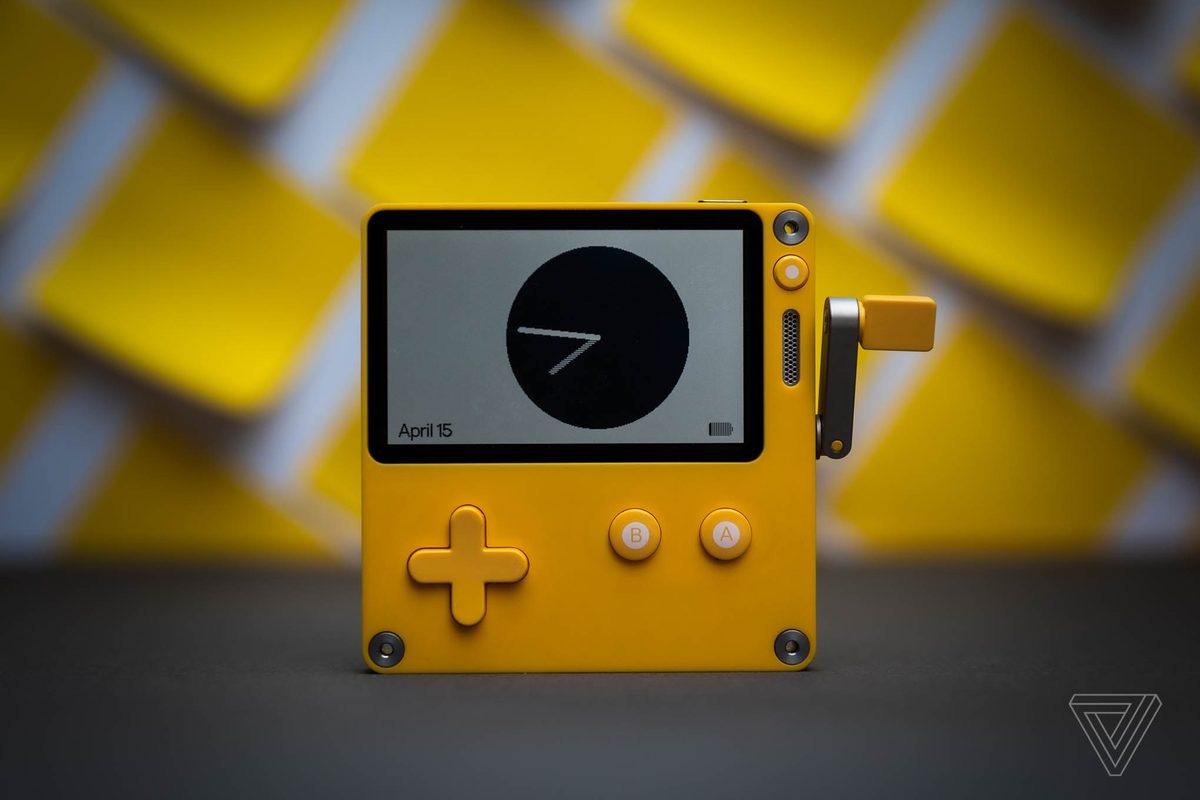
The Playdate handheld console, known for its distinctive black-and-white screen and innovative crank controller, has redefined portable gaming since its debut in 2022. Its unique model of delivering games in seasonal batches has attracted a dedicated fan base eager for fresh and creative experiences. In 2025, Playdate’s second season has launched, bringing another curated set of games that highlight indie creativity alongside novel gameplay mechanics. This season notably includes a mysterious puzzle element, further engaging players beyond traditional gaming expectations.
Key Details
- Season 2 comprises 12 games, released over six weeks with two games dropping every week.
- The full season is priced at $39, providing access to all titles.
- Games showcase innovative use of the Playdate’s crank controller, offering fresh mechanics and challenges.
- Notable contributors include Subset Games, famed for the critically acclaimed FTL: Faster Than Light.
- The season opens with games like Fulcrum Defender, blending modern retro arcade action with roguelike elements.
- A mysterious puzzle or storyline is embedded within the season, adding a layer of intrigue.
Background
The Playdate launched in 2022 as a novel handheld console, differentiated by its black-and-white 400x240 pixel screen and an unconventional input device: a crank that allows unique game interactions. Unlike traditional consoles, Playdate initially debuted with a season-format game release model, where players receive a new game weekly, creating anticipation and a sense of community engagement. The first season included 24 games from various indie developers, each designed to exploit the hardware’s quirky control scheme. This approach not only encouraged experimentation but also fostered a close-knit community of developers and players fascinated by the platform’s possibilities.
Impact Analysis
The launch of Playdate’s second season is significant for several reasons. First, it underscores the growing appetite for alternative gaming experiences that move beyond mainstream norms. By continuing with its seasonal release format, Playdate reinforces a model that blends gaming with episodic storytelling and community anticipation—a strategy familiar in other media but relatively novel in the hardware gaming space. The inclusion of well-known developers like Subset Games bolsters the console’s credibility and draws attention from fans of indie games.
Moreover, the games themselves introduce innovative mechanics that highlight the crank’s potential. For example, Fulcrum Defender cleverly uses the crank to rotate the player’s ship, merging retro-style arcade shooting with modern roguelike progression, where players unlock randomized upgrades. This type of game design exemplifies how Playdate encourages developers to rethink controller inputs and game structures, pushing creative boundaries.
The mysterious puzzle element embedded within the season adds another dimension to user engagement, prompting players to collaborate and speculate, thus extending the gameplay experience beyond individual titles. This approach enhances community interaction and sustains player interest over the season’s duration.
Broader Context
Within the broader gaming landscape, Playdate occupies a niche space that challenges conventional handheld consoles dominated by giants like Nintendo and Sony. Its focus on indie development, unique hardware design, and episodic content delivery sets it apart in an industry increasingly driven by high-definition graphics and expansive open worlds.
Furthermore, Playdate’s approach reflects a trend toward embracing retro aesthetics and gameplay simplicity, appealing to both nostalgic players and those seeking novel, bite-sized gaming experiences. The season-based delivery also aligns with changing consumption patterns, where content is often serialized to maintain engagement. This model could influence future hybrid hardware-software gaming projects aiming to blend device sales with ongoing content distribution.
Future Outlook
With the positive reception of Season 2’s launch, Playdate’s trajectory appears promising. Continued support from established indie developers will likely enhance the quality and diversity of future seasons. The platform’s experimental nature might attract more creative input, potentially expanding the user base.
Additionally, the intriguing integration of a mystery within the game lineup suggests Playdate might explore deeper narrative or puzzle-driven content, further differentiating itself. If successful, this could inspire other hardware manufacturers to innovate not just in devices but in how content is packaged and delivered.
Still, challenges remain. The $39 price point for a 12-game season may be a barrier for some consumers, and the niche nature of the hardware limits mass-market appeal. However, the emphasis on uniqueness and community could sustain a loyal, engaged audience.
Conclusion
Playdate’s second season marks an important milestone in the ongoing evolution of this distinctive handheld console. By delivering 12 innovative games over six weeks, incorporating unique gameplay through the crank controller, and introducing a compelling mystery, Playdate continues to carve out a unique space in the gaming ecosystem. For enthusiasts of indie games and experimental hardware, Season 2 offers a rich, varied experience that combines nostalgia, creativity, and community engagement, setting an inspiring example of how alternative gaming platforms can thrive amid a competitive industry landscape.