The Gamified Frenzy Behind Labubu: Navigating Scarcity and Mania
Introduction
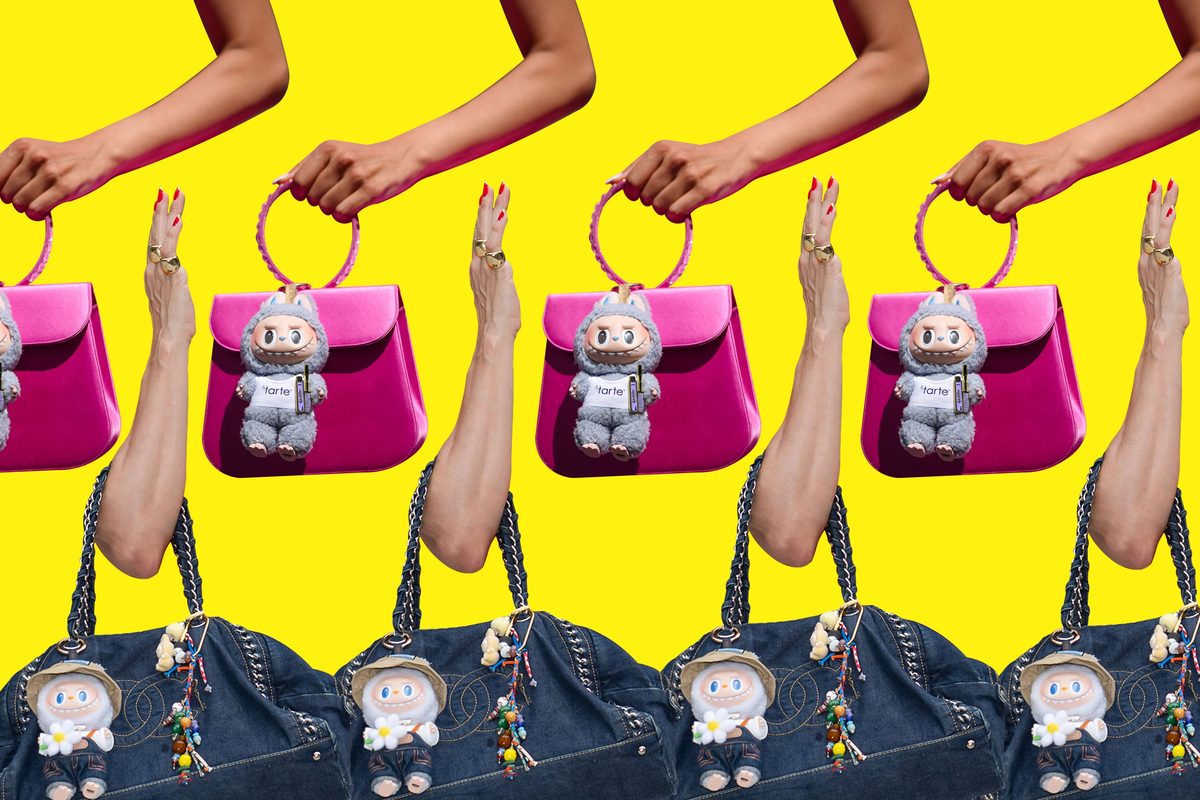
Labubu, a collectible toy series created by Pop Mart, a leading Chinese toy company, has ignited a buying frenzy that blurs the lines between gaming, social media, and commerce. Every Thursday night, fans engage in a near-ritualistic hunt for limited edition Labubu figures via online drops, competing against bot-like behavior, app crashes, and intense scarcity. This phenomenon represents not only a cultural trend in collectibles but also a revealing case study in modern consumer psychology and digital scarcity marketing.
Key Details
- The Labubu drops occur at scheduled times, especially Thursday nights at 9:30 PM, driving intense anticipation and online traffic.
- Consumers experience repeated app lockouts and slowdowns, often resulting in frustration and the feeling of 'bot behavior' as they tap repeatedly to secure a purchase.
- There are numerous counterfeit or unofficial alternatives in the market, notably the so-called "Lafufus," embraced by some collectors as a distinct, parallel fandom.
- To guarantee authenticity, buyers must purchase directly from Pop Mart, which enforces scarcity through limited production runs and controlled release schedules.
- The purchasing experience itself is gamified, with scarcity creating excitement but also significant consumer stress and disappointment.
Background
Pop Mart has become a powerhouse in the blind box collectible market, leveraging limited editions and blind packaging to cultivate desirability. Labubu, one of its flagship characters, combines cute aesthetics with designer appeal, attracting a global fan base. The collectible culture around Labubu draws parallels with sneaker drops, limited streetwear releases, and other phenomena where scarcity creates hype and secondary markets.
Blind box sales rely heavily on the thrill of chance and exclusivity, encouraging repeated purchases and social sharing. However, the market also spawns counterfeit goods, dilution of brand trust, and challenges for genuine collectors trying to differentiate authentic items from fakes.
Impact Analysis
The Labubu craze underscores key trends in consumer behavior: the blending of entertainment and commerce, the rise of scarcity marketing, and the use of digital platforms to amplify hype. For consumers, the experience is a mix of exhilaration and frustration, as the intense competition and app glitches mimic the challenges of online gaming rather than straightforward shopping.
For Pop Mart, this strategy fuels brand loyalty and drives sales, although it risks alienating customers through perceived unfairness or technical issues. The proliferation of fakes also pressures the company to maintain strict quality controls and educate consumers.
"The act of buying Labubu has become less about acquiring a toy and more about participating in a shared online ritual of scarcity and competition," notes consumer psychologist Dr. Mei Liu.
Broader Context
The Labubu drop phenomenon reflects broader societal shifts in how products are marketed and consumed. Scarcity—both real and manufactured—has become a critical driver in consumer engagement across industries. This trend taps into psychological triggers such as fear of missing out (FOMO), social proof, and competitive impulses.
Additionally, the integration of social media platforms like TikTok in promoting drops adds a viral, community-driven element that amplifies demand. The use of live streams, countdowns, and real-time engagement mirrors gamification strategies used in digital entertainment.
Future Outlook
As digital commerce evolves, companies like Pop Mart will likely refine their drop mechanisms to balance hype with user experience. Innovations may include improved app stability, anti-bot measures, and enhanced authentication methods to protect consumers.
Meanwhile, the collector community may continue to grow, with parallel markets for fakes and legitimate items coexisting. Industry observers suggest that transparency and consumer education will be crucial in sustaining trust and enthusiasm.
Conclusion
The Labubu craze is more than a simple toy demand spike—it exemplifies how scarcity, gamification, and digital engagement shape modern consumer culture. While the thrill of the chase captivates many, it also exposes the challenges companies face in managing hype without alienating their audience.
Understanding this dynamic offers valuable insights for marketers, consumers, and cultural analysts alike, as similar models continue to emerge across various sectors worldwide.