Over 167,000 Pounds of Meat Recalled Due to Undisclosed USDA Inspection Issues
Introduction
A significant recall has been issued for over 167,000 pounds of raw meat products, including goat, beef, and pork, due to critical issues with federal inspection. Star Meat Delivery Inc., based in Lucama, North Carolina, is voluntarily recalling these products after it was discovered that the meat had not undergone the required USDA inspection process. This situation raises concerns about food safety and the integrity of labeling within the supply chain.
Key Details
- Quantity Recalled: 167,639 pounds of raw goat, beef, and pork.
- Company Involved: Star Meat Delivery Inc., Lucama, North Carolina.
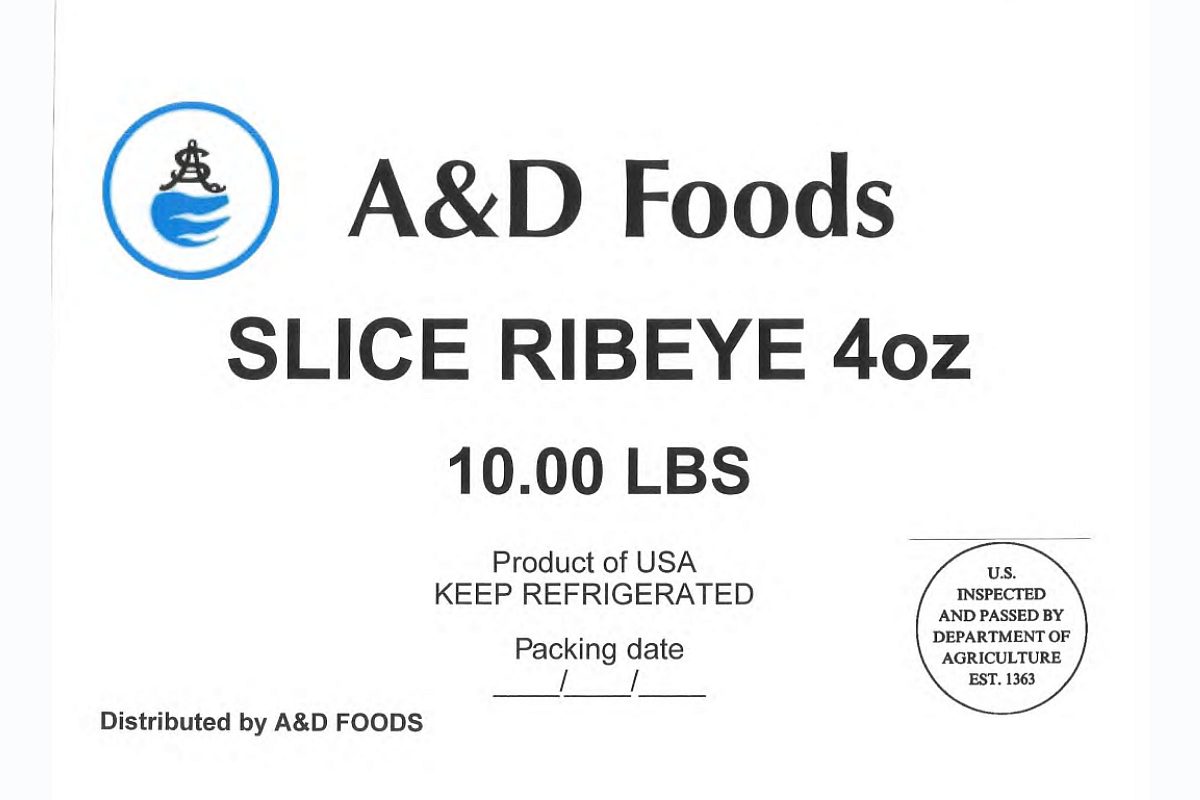
- Reason for Recall: The meat was produced without undergoing required federal inspection, despite bearing a USDA mark of inspection.
- Unapproved Plant Number: The inspection mark displayed the plant number "EST. 1363," which has not been approved by the USDA for meat processing.
- Product Identification: Products may be found under the A&D Foods label, vacuum-sealed, and packaged in cardboard boxes.
- Affected Products: Includes various cuts of goat, beef (e.g., sliced ribeye, oxtail, ribs, feet), and pork (e.g., ground pork, chorizo, chops, feet, hocks, sliced/diced, menudo mix).
- Distribution: Meat was shipped to A&D Foods, a Georgia distributor, which then sent it to retail stores and restaurants nationwide.
- Discovery: The issue was identified during routine monitoring by USDA inspectors.
- Health Impact: As of the announcement, no illnesses have been reported. However, uninspected meat can pose risks of harmful bacteria and undeclared allergens.
Background
The U.S. Department of Agriculture's Food Safety and Inspection Service (FSIS) is the agency responsible for ensuring that meat, poultry, and egg products are safe, wholesome, and properly labeled. A USDA mark of inspection is a crucial indicator that a product has met federal safety and sanitation standards. The presence of this mark on meat that has not been inspected is a serious violation. Star Meat Delivery Inc. claims the issue was a result of a “glitch in the stamp approval process” and not intentional. The company stated that the EST. 1363 number was intended for its processing center as part of a pending USDA application. The meat itself was reportedly sourced from a USDA-inspected supplier.
Impact Analysis
The recall of over 167,000 pounds of meat highlights potential vulnerabilities in the meat supply chain. While no illnesses have been reported, the risk associated with consuming uninspected meat is significant. Such products could be contaminated with pathogens like E. coli or Salmonella, or contain allergens not declared on the label, posing a serious threat to public health. The mislabeling also erodes consumer trust, as the USDA inspection mark is intended to provide assurance of safety. The recall process itself is costly and damaging to the reputation of the companies involved, including the distributor A&D Foods.
“Because of that, officials consider the products mislabeled and not safe to eat.” — USDA Food Safety and Inspection Service
Broader Context
Food recalls are a necessary, albeit disruptive, part of maintaining food safety. They underscore the importance of robust oversight by regulatory bodies like the USDA. This incident occurs within a broader context of increasing consumer demand for transparency in food production and sourcing. Consumers are increasingly concerned about where their food comes from and how it is processed. The complexity of modern food distribution networks, involving multiple handlers and distributors, can make tracing and recalling contaminated or mislabeled products challenging, especially when products are repackaged or relabeled at the retail level.
Future Outlook
Star Meat Delivery Inc. is cooperating with federal officials to resolve the pending USDA application and complete the recall procedures. The company is working to ensure its stamp approval process is rectified to prevent future occurrences. For consumers, the incident serves as a reminder to be vigilant about the food they purchase and consume, and to pay attention to recall notices. Regulatory bodies will likely review inspection and labeling protocols to identify any systemic weaknesses that could be exploited or lead to similar issues in the future. The FSIS will continue its routine monitoring to detect such discrepancies.
Conclusion
The recall of 167,639 pounds of meat by Star Meat Delivery Inc. is a critical food safety alert. The core issue revolves around meat being distributed with a USDA inspection mark from an unapproved facility, rendering it effectively uninspected and potentially unsafe. While the company attributes the error to a procedural glitch, the FSIS has deemed the products mislabeled and unsafe. Consumers are urged to discard or return any affected products. This event emphasizes the vital role of regulatory oversight in safeguarding the food supply and maintaining consumer confidence.
Source: drugs.com