New Research Suggests Allergies May Reduce Lung Cancer Risk: A Comprehensive Meta-Analysis
Introduction
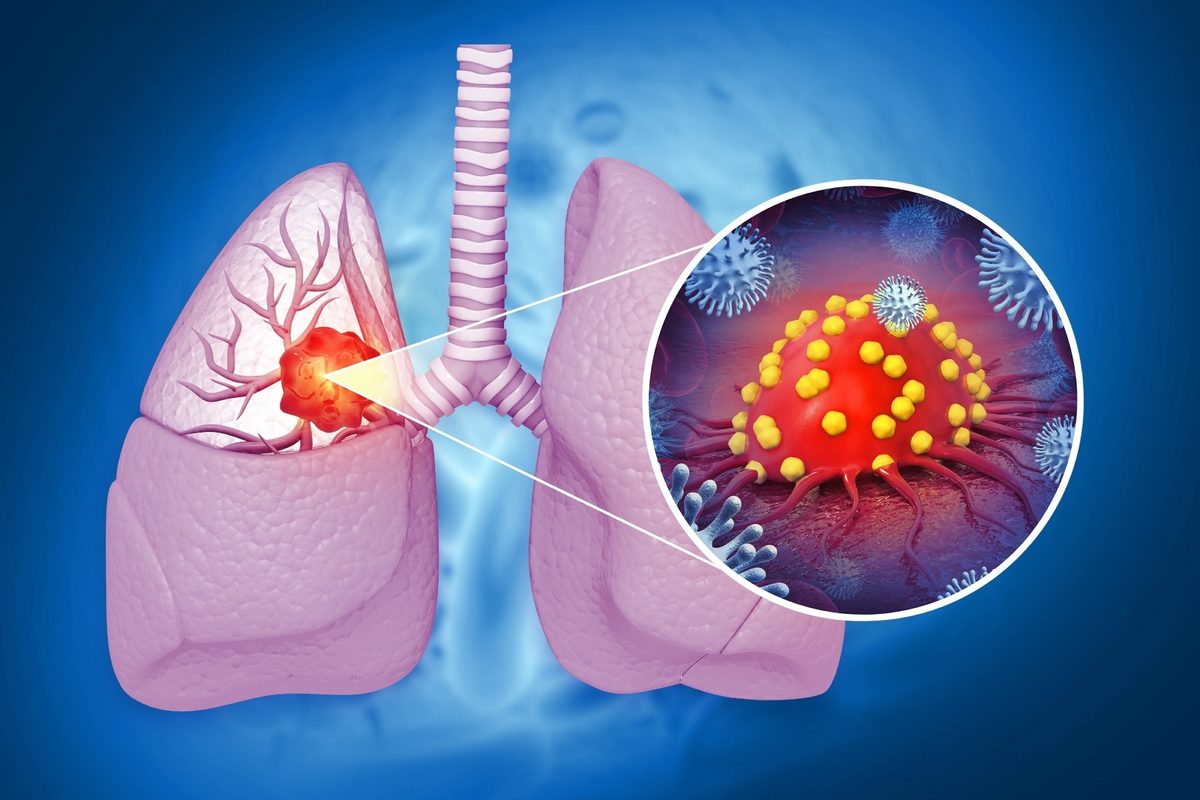
Lung cancer remains a leading cause of cancer-related mortality worldwide, with millions of new cases diagnosed annually. Understanding the risk factors and protective factors for lung cancer is critical for prevention strategies. A recent extensive meta-analysis encompassing almost 3.9 million participants has shed new light on the intriguing connection between allergic conditions and lung cancer risk, revealing that allergies might actually confer a protective effect against this deadly disease.
Key Details
- The meta-analysis incorporated data from numerous studies, evaluating the link between various allergic conditions and lung cancer incidence.
- Individuals with any form of allergies showed significantly lower odds of developing lung cancer compared to those without allergies.
- Allergic rhinitis, commonly known as hay fever, demonstrated the strongest protective association among the allergy types examined.
- Eczema, a chronic inflammatory skin condition, was observed to reduce lung cancer risk but substantially only among male participants.
- The analysis controlled for confounders such as smoking status, age, and environmental exposure.
Background
Allergic diseases are characterized by heightened immune responses to typically harmless substances, leading to symptoms like sneezing, skin inflammation, and respiratory discomfort. Traditionally, allergies have been viewed simply as undesirable conditions, but emerging epidemiological data have suggested a potential association between immune hypersensitivity and cancer risk modulation. The immune system plays a dual role in cancer development, sometimes facilitating tumor evasion but also potentially enhancing surveillance and elimination of malignant cells.
Lung cancer primarily develops due to tobacco smoking, environmental pollutants, and genetic predispositions. However, the interplay between chronic immune activation—as seen in allergies—and cancer remains less understood. Previous smaller studies hinted that allergy-related immune activity might promote an environment less conducive to cancer growth, but results have been inconsistent.
Analysis
This comprehensive meta-analysis provides robust evidence supporting the hypothesis that allergic conditions, particularly allergic rhinitis, are linked to a lower risk of lung cancer. The mechanism is not fully elucidated, but researchers speculate that the chronic activation of the immune system in allergy sufferers might enhance the body's ability to identify and destroy nascent cancer cells. Allergic rhinitis involves mucosal inflammation and heightened immune surveillance in respiratory pathways, which may directly impact cancer initiation in lung tissue.
The gender disparity observed with eczema’s protective effect—significant in men but not women—raises important biological questions. Hormonal influences, genetic factors, or differences in immune response patterns between men and women could explain this finding, warranting further research.
Despite these promising insights, the study’s observational nature means causality cannot be definitively established, and confounding factors, although controlled for, cannot be entirely ruled out. Moreover, allergic conditions vary widely in severity and treatment, which could influence cancer risk in nuanced ways.
Conclusion
The findings of this large-scale meta-analysis suggest that allergic diseases, especially allergic rhinitis, may play a protective role against lung cancer. These results open potential avenues for preventative research and highlight the complex relationship between immune hypersensitivity and cancer biology. Further investigation is needed to unravel underlying mechanisms and explore whether therapeutic modulation of immune responses could contribute to lung cancer prevention.
For now, these insights encourage a nuanced understanding of allergies beyond their symptomatic burden and imply that immune system activation in allergy sufferers might have beneficial effects extending to cancer risk reduction.