Chagas Parasite Transformation Linked to tRNA Chemical Alterations
Introduction
Chagas disease, a significant neglected tropical illness affecting millions globally, is caused by the parasite Trypanosoma cruzi. This parasite exhibits a remarkable ability to change its form and function throughout its life cycle, a critical adaptation that allows it to infect mammals, including humans. Understanding the molecular mechanisms that drive these transformations has been a long-standing challenge for scientists. A recent study published in PLOS Pathogens sheds new light on this process, identifying chemical modifications in transfer RNA (tRNA) as key regulators of the parasite's life cycle progression.
Key Details
- Researchers identified 170 distinct sites of chemical modification on tRNA molecules in T. cruzi.
- These modifications were found to vary significantly between the non-infectious (epimastigote) and infectious (metacyclic trypomastigote) forms of the parasite.
- The study demonstrated that these tRNA modifications are essential for facilitating the parasite's transition from a non-infective to an infective state.
- The research team utilized advanced techniques including tRNA sequencing, mass spectrometry, and bioinformatics to map these alterations.
- Gene editing using the CRISPR tool was employed to confirm the functional importance of a specific tRNA modification in the parasite's life cycle.
- The study was a collaborative effort involving researchers from institutions such as Cornell University, the Butantan Institute, the University of São Paulo (USP), and Harvard University.
- Funding for the research was provided by FAPESP, with specific project numbers cited.
Background
Transfer RNA (tRNA) molecules play a fundamental role in protein synthesis, acting as molecular adaptors that deliver specific amino acids to the ribosome, the cellular machinery responsible for building proteins. These molecules are themselves subject to a wide array of chemical modifications, which can profoundly influence their structure, stability, and function. While the importance of tRNA modifications in various biological processes is increasingly recognized, their specific role in the complex life cycle of parasitic organisms like T. cruzi has remained largely unexplored until now.
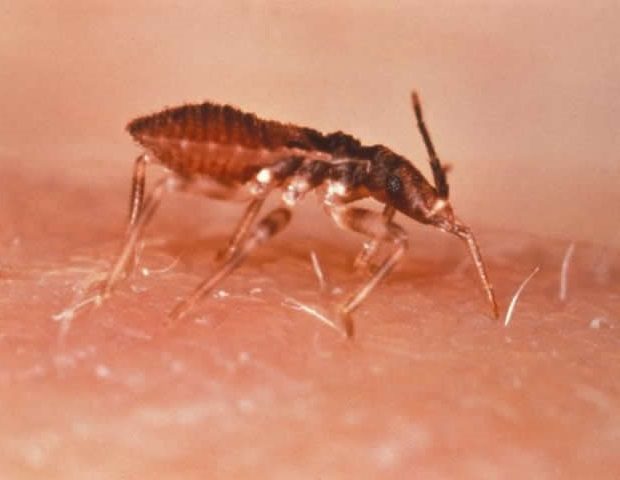
T. cruzi infects millions worldwide, primarily transmitted by triatomine insects, often called "kissing bugs." The parasite exists in different forms: the replicative, non-infectious epimastigote form resides in the insect vector, while the infectious metacyclic trypomastigote form is found in the insect's feces and can invade mammalian hosts. This transformation is crucial for the parasite's survival and transmission. However, the precise molecular cues that trigger and regulate this change have been elusive.
Impact Analysis
The discovery that specific chemical modifications on tRNAs change as T. cruzi transitions between its life stages is a significant breakthrough. As highlighted by Herbert Guimarães de Sousa Silva, the study's first author, “The tRNA modifications we studied can facilitate or hinder this delivery and consequently influence protein production.” This suggests that these modifications act as critical regulators, fine-tuning the parasite's protein synthesis machinery to adapt to different environments and developmental stages. By altering tRNA modifications, the parasite can effectively reprogram its protein output, enabling it to survive within the insect vector and then successfully infect and establish itself in a mammalian host.
The use of CRISPR gene editing to assess the impact of a single modification underscores the functional relevance of these chemical alterations. While the study focused on basic biological mechanisms, the implications for therapeutic intervention are considerable. Understanding precisely how these tRNA modifications enable the parasite's infectiousness could reveal novel targets for drug development. Current treatments for Chagas disease, such as benznidazole and nifurtimox, have limitations, particularly in the chronic stages of infection and lack a vaccine. Targeting essential parasite processes like regulated protein synthesis, mediated by modified tRNAs, offers a promising avenue for developing new, more effective therapies.
“For a long time, no one could sequence tRNAs efficiently because the very modifications in these molecules made the process difficult,” stated Julia Pinheiro Chagas da Cunha, a researcher at the Butantan Institute. “Protocols developed in recent years have made it possible to determine the types and abundance of modifications present in these molecules.”
Broader Context
Chagas disease is classified by the World Health Organization as a neglected tropical disease, disproportionately affecting impoverished populations in Latin America. Its chronic nature, often leading to severe cardiac and gastrointestinal complications decades after initial infection, underscores the urgent need for improved diagnostics and treatments. The limited effectiveness of existing drugs, especially in later stages, and the absence of a vaccine highlight the critical importance of fundamental research aimed at uncovering the parasite's biology.
Furthermore, the findings resonate with broader trends in antimicrobial research. As Julia Pinheiro Chagas da Cunha noted, similar tRNA modification mechanisms are being investigated as potential targets for combating multidrug-resistant bacteria. This suggests that the fundamental biological principles governing parasite adaptation through tRNA modification might be conserved across different pathogens, opening up possibilities for cross-disciplinary therapeutic strategies.
Future Outlook
While the authors emphasize that this research is foundational, its translational potential is clear. The next steps will likely involve more detailed functional analyses of the identified tRNA modifications and their specific roles in critical parasite processes, such as invasion, replication, and immune evasion. Researchers will aim to pinpoint which modifications are most critical for the parasite's survival and infectivity in the mammalian host. This deeper understanding could lead to the rational design of drugs that specifically inhibit these key modifications or the enzymes responsible for them, thereby disrupting the parasite's life cycle.
The development of new methodologies for tRNA sequencing and modification analysis, as mentioned by Cunha, will be crucial for accelerating future research. As these techniques become more accessible and refined, scientists can more rapidly explore the landscape of tRNA modifications in T. cruzi and other pathogens, potentially uncovering a treasure trove of new therapeutic targets.
Conclusion
The study by de Sousa Silva and colleagues represents a significant advancement in our understanding of Trypanosoma cruzi biology and Chagas disease pathogenesis. By uncovering the critical role of tRNA chemical modifications in driving the parasite's transformation, researchers have opened a new window into the parasite's intricate survival strategies. This fundamental insight into the parasite's molecular machinery provides a promising foundation for the future development of novel diagnostic tools and urgently needed therapeutic interventions against this devastating neglected tropical disease.
Source: news-medical.net