New MS Therapy Trains Immune System for Tolerance, Avoiding Broad Suppression
Introduction
Multiple Sclerosis (MS), a chronic autoimmune disease affecting millions worldwide, particularly young adults, is characterized by the immune system mistakenly attacking the central nervous system. Current treatments, while effective, often involve broad immune suppression, leading to potential side effects. Now, a groundbreaking therapy developed by researchers at the University of Zurich (UZH) in collaboration with international partners offers a new paradigm: training the immune system to tolerate the body's own tissues without compromising its overall defense capabilities.
Key Details
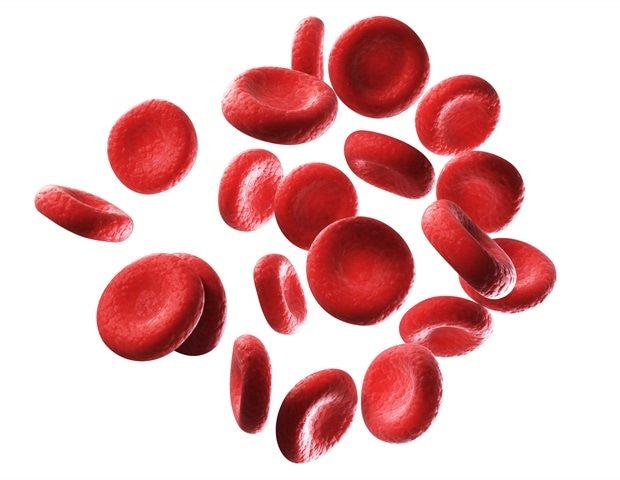
- Novel Approach: The therapy utilizes the patient's own red blood cells, modified by attaching specific protein constituents (antigens) associated with MS.
- Mechanism of Action: These modified red blood cells are reintroduced into the body, where they are processed similarly to aging cells. This process exposes the immune system to the MS-related antigens in a manner that promotes tolerance, effectively retraining T lymphocytes to recognize these targets as harmless.
- Targeted Intervention: Unlike existing treatments, this method aims to specifically halt the autoimmune attack in MS without broadly suppressing the immune system, thereby reducing the risk of opportunistic infections and other side effects.
- Clinical Trial Results: An initial clinical trial has demonstrated the safety and good tolerability of the therapy in human patients. The study also provided promising insights into its mechanisms of action.
- Potential for Other Autoimmune Diseases: The underlying principle of inducing antigen-specific tolerance could be applicable to a wide range of other autoimmune conditions, which are on the rise globally.
Background
Multiple sclerosis is a debilitating neurological condition where the myelin sheath protecting nerve fibers in the brain and spinal cord is damaged by an immune response. This damage disrupts the flow of information between the brain and the rest of the body, leading to symptoms such as vision problems, numbness, fatigue, and paralysis. The exact cause of MS remains unknown, but it is understood to be an autoimmune disorder involving T lymphocytes that have lost their ability to distinguish between foreign invaders and the body's own tissues.
Existing MS treatments primarily focus on managing symptoms or suppressing the immune system. While some therapies have proven effective in reducing the frequency and severity of relapses, they often come with significant drawbacks, including an increased susceptibility to infections, potential for liver damage, and other serious adverse effects. This has created a persistent need for treatments that are both effective and safer.
Impact Analysis
The development of this new therapy represents a significant potential shift in the management of MS. By targeting the root cause—the misguided immune response—in a highly specific manner, it promises to deliver therapeutic benefits without the systemic immunosuppression associated with current treatments. This could translate into a drastically improved quality of life for patients, allowing them to live with a more robust immune system capable of fighting off infections and other threats.
“This would make it possible to suppress this autoimmune disease in a very targeted manner and without major side effects,” says lead author Andreas Lutterotti.
The positive early clinical findings regarding safety and tolerability are crucial. They validate the therapeutic concept and pave the way for further investigation into its efficacy. The potential to avoid broad immunosuppression is a key differentiator, addressing a major unmet need in MS treatment.
Broader Context
Autoimmune diseases, in general, have seen a concerning increase in prevalence over recent decades, now affecting more than five percent of the global population. Conditions like rheumatoid arthritis, lupus, type 1 diabetes, and MS share the common characteristic of an immune system attacking the body's own healthy cells and tissues. The UZH-led research, published in Proceedings of the National Academy of Sciences, offers a glimmer of hope not just for MS patients but potentially for millions suffering from other autoimmune disorders. The principle of inducing antigen-specific tolerance is a highly sought-after goal in immunology, and this red blood cell-based approach could prove to be a versatile platform.
Future Outlook
The initial clinical trial marks a critical first step, but the journey to widespread clinical application is ongoing. The researchers acknowledge that further clinical development, particularly trials to confirm efficacy, is costly and requires substantial funding. To this end, they have established a biotech company, Cellerys, to facilitate the necessary investment and navigate the complex path of drug development. A forthcoming trial is planned to rigorously assess the therapy's effectiveness, contingent on securing adequate funding. Success in these future trials could lead to a paradigm shift in autoimmune disease treatment, moving towards more precise and less toxic therapeutic strategies.
Conclusion
The development of this novel MS therapy, utilizing modified red blood cells to induce immune tolerance, represents a significant advancement in the field. The promising results from the initial clinical trial, demonstrating safety and tolerability without broad immunosuppression, offer substantial hope for patients. While further development and funding are required, this innovative approach holds the potential to not only transform MS treatment but also to offer a blueprint for tackling a wide spectrum of autoimmune diseases, marking a new era of targeted immunotherapies.
Source: news-medical.net