FDA Approves First Autonomous Blood-Drawing Robot, Aletta, Amid Phlebotomist Shortage
Introduction
In a significant leap forward for medical technology, the U.S. Food and Drug Administration (FDA) has granted clearance for the first autonomous robot designed to draw blood from patients. The device, named Aletta, marks a potential turning point in how routine blood collection is performed, particularly in outpatient settings where demand is high and staffing can be a challenge. This authorization addresses a critical need identified by healthcare providers and regulators alike, aiming to improve efficiency and patient access to essential diagnostic procedures.
Key Details
- Device Name: Aletta
- Functionality: Autonomous blood collection from adult patients.
- Supervision Requirement: A trained phlebotomist must initiate the procedure and remain on-site to supervise, with the capacity to oversee up to three Aletta machines simultaneously.
- Technology Used: Employs near-infrared light and ultrasound to accurately locate veins, distinguishing them from arteries, and to assess vein quality.
- Procedure Steps: Manages the entire process including tourniquet application, skin cleaning, needle insertion, blood tube management, needle disposal, and applying a bandage.
- Safety Features: Includes continuous skin disinfection, automated needle detachment if patient movement is detected, onboard sensors to pause the draw, and requires a trained worker to clean the machine between uses.
- Performance Data: Clinical trials demonstrated that Aletta achieved vein access success rates comparable to or better than human phlebotomists across diverse patient populations, including those with varying health conditions, skin tones, and difficult vein access.
- Side Effects: Reported side effects were rare and mild.
- Regulatory Status: Cleared for use in adults at outpatient clinics in the U.S. Previously approved and in use in Europe.
Background
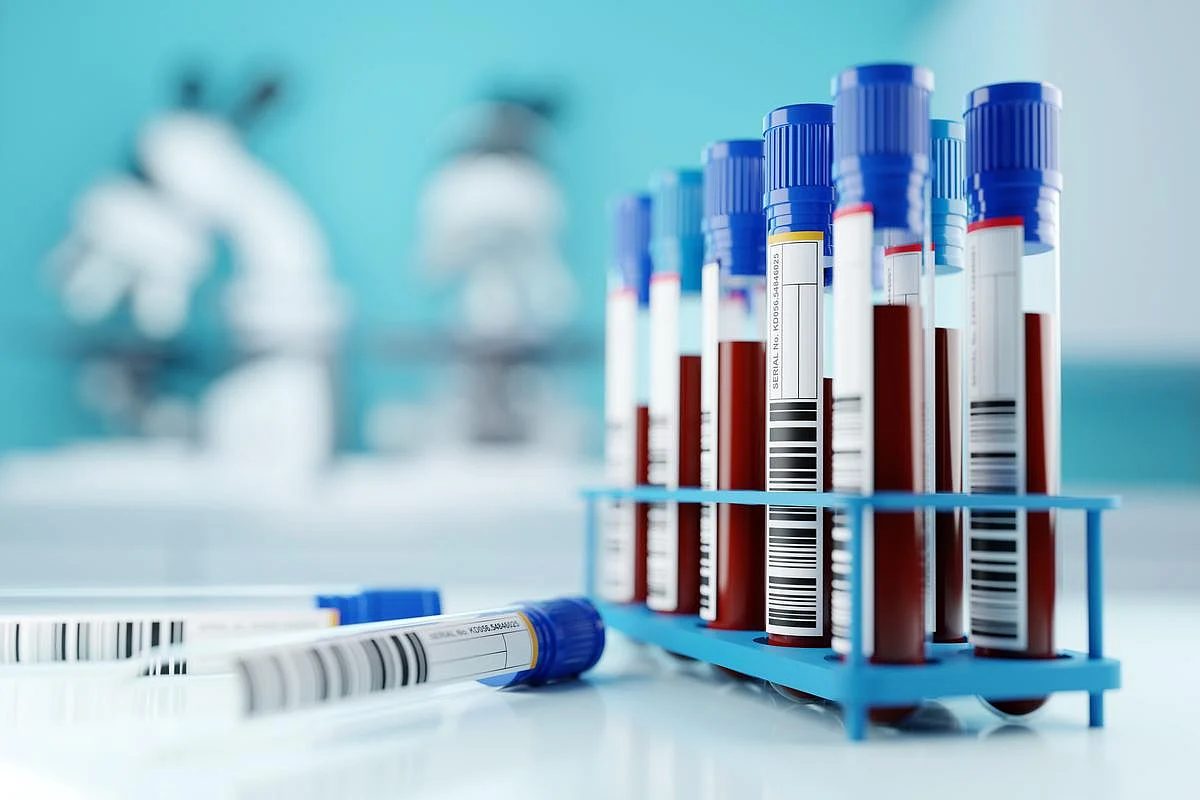
The process of drawing blood, known as phlebotomy, is one of the most frequently performed medical procedures in the United States. Despite its commonality, healthcare facilities, especially outpatient clinics, have been grappling with a persistent shortage of trained phlebotomists. This scarcity leads to longer wait times for patients seeking routine blood tests, which are crucial for diagnosing, monitoring, and managing a wide array of health conditions. The FDA's decision to clear Aletta is a direct response to this pressing issue. Dr. Michelle Tarver, director of the FDA's Center for Devices and Radiological Health, highlighted this, stating, “Blood draws are one of the most commonly performed medical procedures in the United States, yet patients may face delays due to a growing shortage of trained phlebotomists.” The agency emphasized that this move aligns with its commitment to facilitating the adoption of new technologies while upholding stringent safety standards.
“The U.S. decision confirms that autonomous blood draws can meet the same safety standards clinicians expect worldwide,” said Toon Overbeeke, CEO of Vitestro, the Dutch company behind Aletta.
Impact Analysis
The introduction of Aletta is poised to have a multifaceted impact on the healthcare landscape. Primarily, it offers a tangible solution to the phlebotomist shortage, potentially freeing up skilled professionals to focus on more complex tasks or patient interaction. By allowing a single phlebotomist to oversee multiple automated systems, clinics can significantly increase their blood draw capacity without a proportional increase in staffing. This could lead to reduced patient wait times, improved clinic workflow, and potentially lower operational costs. Furthermore, the robot's consistent performance, validated by clinical data across diverse patient groups, suggests it could standardize the blood draw process, minimizing variability often associated with human technique. The built-in safety mechanisms, such as automatic needle retraction and continuous disinfection, aim to ensure patient safety remains paramount.
Broader Context
The FDA's clearance of Aletta fits into a larger trend of increasing automation and artificial intelligence integration within the healthcare sector. From robotic surgery to AI-powered diagnostics, technology is increasingly being leveraged to enhance precision, efficiency, and accessibility in medicine. This development is particularly relevant in the post-pandemic era, where healthcare systems worldwide are re-evaluating operational models to build resilience against staffing shortages and increased demand. The successful deployment of Aletta could pave the way for similar autonomous systems in other routine medical procedures, further transforming the patient experience and the delivery of care. The fact that Aletta is already approved and operational in Europe underscores the global momentum behind such innovations.
Future Outlook
The long-term implications of Aletta's approval are significant. If successful in widespread adoption, it could fundamentally alter the role of phlebotomists, shifting their responsibilities towards supervision, quality control, and managing more challenging cases. Future iterations of the technology might expand its capabilities to include pediatric patients or more complex sample collection requirements. The data generated by these automated systems could also provide valuable insights into phlebotomy success rates and patient comfort, driving further improvements. As regulatory bodies become more comfortable with autonomous medical devices, we can anticipate a broader acceptance and integration of robotics into various aspects of patient care, ultimately aiming for a more efficient, accessible, and potentially safer healthcare system.
Conclusion
The FDA's authorization of the Aletta robot represents a landmark achievement in medical automation. By addressing the critical shortage of phlebotomists and offering a technologically advanced solution, Aletta promises to enhance the efficiency and accessibility of blood draws in outpatient clinics. Its sophisticated vein-finding capabilities, coupled with robust safety protocols and demonstrated efficacy across diverse patient populations, position it as a valuable tool for modern healthcare. While human oversight remains essential, this innovation signifies a crucial step towards a future where technology plays an increasingly integral role in routine medical procedures, improving patient outcomes and streamlining healthcare delivery.
Source: drugs.com