DeNovix Enhances CellDrop FLxi with Three Innovative Cell Counting Applications
Introduction
DeNovix, a leading provider of life science instrumentation, has announced the launch of three new cell counting applications designed specifically for its CellDrop FLxi Automated Cell Counter. This development marks a significant step forward in automated cell analysis technology, offering researchers and clinicians enhanced tools to improve cell counting accuracy and efficiency.
Key Details
- Introduction of three distinct cell counting applications compatible with the CellDrop FLxi device.
- Applications tailored for various cell types and experimental conditions, expanding the instrument’s versatility.
- Improved accuracy and reproducibility in cell counting, critical for both research and clinical settings.
- Enhanced user interface and streamlined workflows to optimize laboratory productivity.
- Applications designed to meet the demands of modern cell biology, including stem cell research, cancer studies, and drug development.
Background
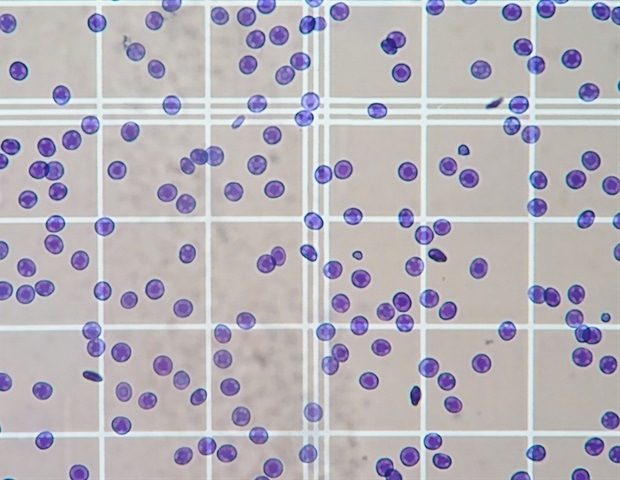
The CellDrop FLxi Automated Cell Counter has been widely adopted in laboratories for its ability to deliver rapid and reliable cell counts while minimizing operator variability. Cell counting is a fundamental process in many areas of biological research and clinical diagnostics, as it informs decisions on cell health, proliferation, and viability.
Traditionally, manual cell counting techniques, such as hemocytometer usage, have been time-consuming and prone to subjective errors. Automated counters like the CellDrop FLxi have revolutionized this process by providing objective, fast, and repeatable measurements.
Analysis
By introducing these three new applications, DeNovix addresses the growing need for specialized cell counting protocols that cater to diverse cell populations and experimental requirements. Different cell types can present unique challenges in counting due to variations in size, shape, and clumping behavior. The new applications likely incorporate optimized image processing algorithms and staining protocols to tackle these issues, although specific technical details from DeNovix remain to be disclosed.
Moreover, the expanded functionality aligns with current trends in biomedical research, where high-throughput and precise cell analysis are essential. For example, stem cell research demands accurate viability assessments to ensure quality control, while oncology studies require precise tumor cell enumeration for drug efficacy testing. Automated solutions that can adapt to these varied contexts enhance laboratory throughput and data reliability.
The user-friendly design improvements accompanying these applications also suggest a focus on reducing training time and operational complexity, which can be crucial in busy laboratory environments. This emphasis on ease of use may increase adoption rates among institutions looking to balance performance with workflow efficiency.
Conclusion
DeNovix’s release of new cell counting applications for the CellDrop FLxi Automated Cell Counter represents an important advancement in laboratory instrumentation. By expanding the instrument’s capabilities and improving accuracy, these innovations support the evolving needs of life science research and clinical diagnostics. As cell-based assays continue to grow in complexity and scale, tools like the enhanced CellDrop FLxi will be instrumental in delivering reliable and reproducible data, ultimately accelerating scientific discovery and improving patient outcomes.