New Books Explore Forest Ecology, Unconscious Mind, Deep Sea Mysteries, and AI Companionship
Introduction
Recent book releases offer profound insights into diverse fields, from the intricate communication networks within forests to the elusive nature of the human unconscious, the vast unexplored depths of the ocean, and the evolving landscape of artificial intelligence and its potential for companionship. These works, penned by leading researchers and thinkers, invite readers to contemplate humanity's relationship with the natural world, the complexities of the mind, and the future of our technological interactions.
Key Details
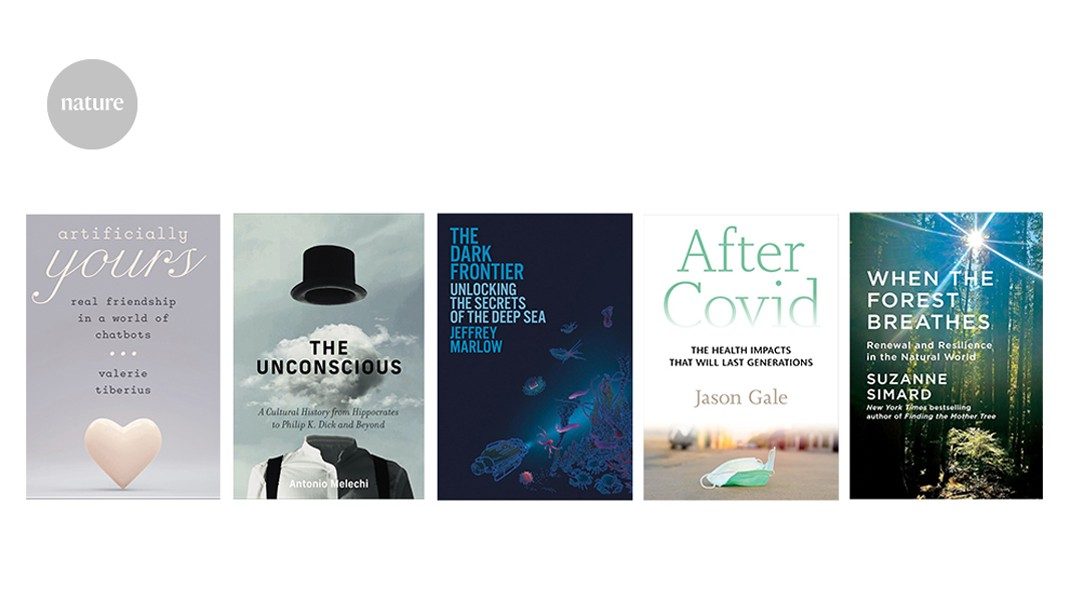
- When the Forest Breathes by Suzanne Simard (2026) details the Mother Tree Project in British Columbia, Canada. Initiated in 2015 with federal funding, the project, in collaboration with Indigenous communities, has planted 225,000 trees across a vast area. Its aims include documenting the impact of clearcut logging on carbon and biodiversity, and developing new forest management techniques.
- The Unconscious by Antonio Melechi (2026) traces the historical and conceptual disagreements surrounding the idea of the unconscious mind. Melechi, a historian of medicine and psychology, presents a complex tapestry of thought, drawing from figures like Hippocrates, Charles Darwin, and Sigmund Freud, though notably omitting Francis Crick's work on consciousness.
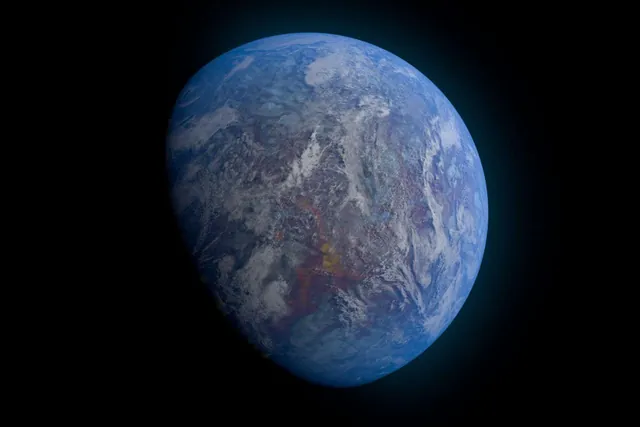
- The Dark Frontier by Jeffrey Marlow (2026) examines the deep sea, the largest habitable volume on Earth, yet largely unexplored. Marlow highlights that scientists have surveyed less than 0.001% of its floor. The book underscores the deep sea's critical role in planetary health and human civilization, lamenting human impact before thorough understanding.
- Artificially Yours by Valerie Tiberius (2026) delves into the philosophical and ethical considerations of forming relationships with artificial intelligence. The book explores the nature of these potential bonds and their implications for human connection and identity.
Background
Suzanne Simard, a renowned forest ecologist, has dedicated her career to understanding the hidden communication systems within forests. Her Mother Tree Project builds upon decades of research, aiming to provide tangible solutions for sustainable forestry practices in the face of industrial logging. Antonio Melechi’s work on the unconscious mind enters a field rich with historical debate, seeking to synthesize diverse perspectives on a concept that has shaped psychology and philosophy for centuries. Jeffrey Marlow, a biologist, brings attention to the least understood biome on our planet, emphasizing the urgency of exploration and conservation. Valerie Tiberius, a philosopher, tackles the burgeoning field of AI ethics, questioning the very nature of relationships in an increasingly technological world.
Impact Analysis
These books collectively highlight critical contemporary issues. Simard’s work provides a scientific basis for ecological stewardship, challenging conventional forestry methods and advocating for a more holistic understanding of forest ecosystems. Melechi’s exploration of the unconscious mind offers a nuanced historical perspective, reminding us that our understanding of ourselves is constantly evolving and often contested. Marlow’s stark portrayal of the deep sea serves as a powerful call to action for ocean conservation, emphasizing the vast unknown and the potential loss of undiscovered life and ecological services. Tiberius’s examination of AI relationships prompts crucial societal discussions about the future of human interaction, the definition of companionship, and the ethical boundaries of artificial intelligence.
Broader Context
The themes resonate with broader societal shifts. The growing awareness of climate change and biodiversity loss fuels interest in Simard’s ecological research. The ongoing advancements in neuroscience and psychology continue to fuel debate about the nature of consciousness and the mind, as explored by Melechi. The increasing accessibility of oceanographic technology, coupled with concerns about marine pollution and resource exploitation, makes Marlow’s work particularly timely. Furthermore, the rapid development of AI and its integration into daily life makes Tiberius’s philosophical inquiry into AI companionship a pressing concern for the future of human society.
“Inside the conceptual rubric of ‘the unconscious’ we find a babel of confusion and disputation,” observes Antonio Melechi...
Future Outlook
Looking ahead, Simard’s research could pave the way for more resilient and sustainable forest management practices globally. Melechi’s historical synthesis may encourage new interdisciplinary approaches to understanding the mind. Marlow’s advocacy for deep-sea exploration and conservation could influence policy and research priorities, potentially leading to significant discoveries and protective measures. Tiberius’s work anticipates a future where human-AI relationships become more commonplace, necessitating careful ethical frameworks and societal adaptation. These books collectively suggest a future where deeper understanding of the natural world, the human psyche, and our technological creations is paramount.
Conclusion
The latest literary offerings from Simard, Melechi, Marlow, and Tiberius provide essential perspectives on the natural world, the human mind, and our technological future. They challenge readers to think critically about complex issues, from ecological balance and the depths of consciousness to the unexplored frontiers of our planet and the evolving nature of relationships in the age of artificial intelligence. These books are not just informative; they are crucial guides for navigating the complexities of the 21st century.
Source: nature.com