New Apps Aim to Detect Hidden Smart Glasses, Addressing Privacy Concerns
Introduction
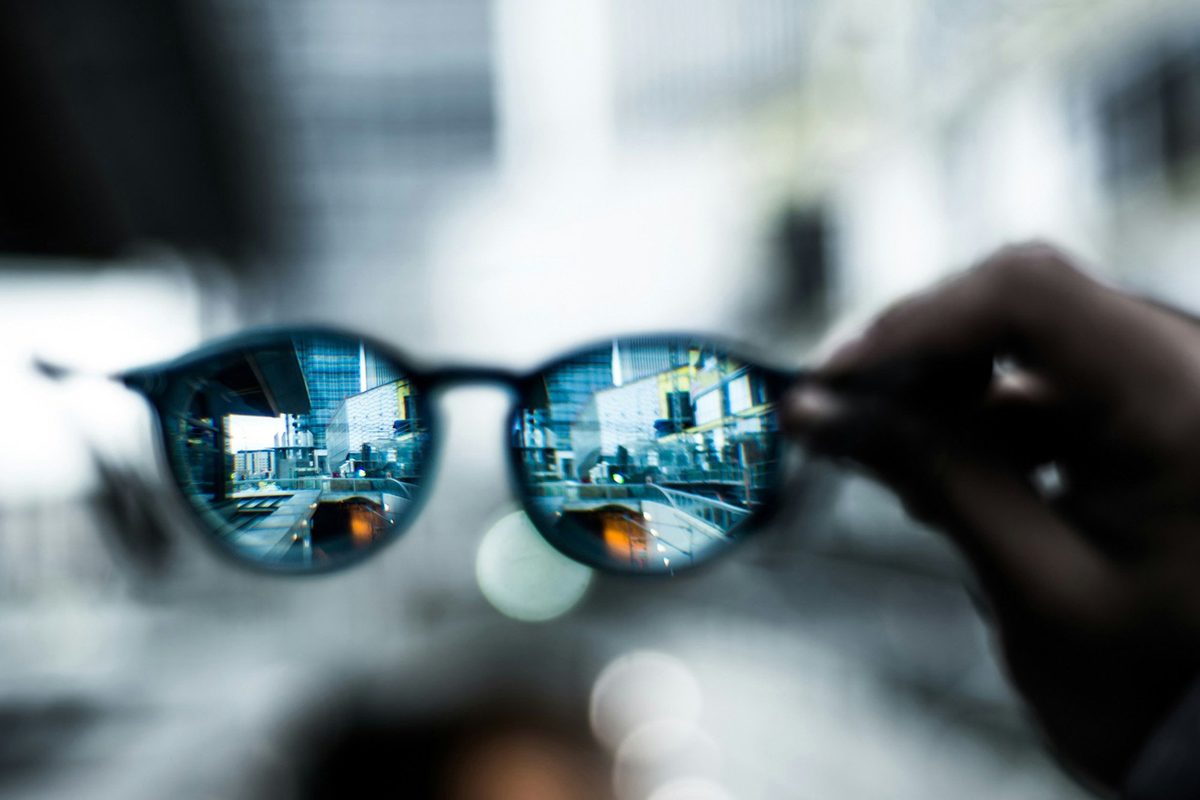
The era of smart glasses is undeniably upon us. With technological components shrinking and becoming lighter, integrating advanced features into everyday eyewear is now a reality. Major tech companies, including Meta with its latest Ray-Ban collaboration, alongside numerous smaller manufacturers, are pushing the boundaries of what smart glasses can do. Rumors of Apple’s potential entry into this market further underscore the growing significance of this technology. These spectacles offer a compelling array of functionalities, from seamless audio playback of music and podcasts to AI-powered assistants capable of answering questions and identifying objects in view. Perhaps most notably, they provide a convenient, hands-free method for capturing photos and videos, allowing users to remain engaged in activities like cycling or family gatherings without the need to juggle a smartphone.
Key Details
- Smart Glasses Capabilities: Offer integrated audio, AI assistance, and hands-free photo/video recording.
- Privacy Concerns: The convenience of discreet recording raises significant privacy issues, as users may be filmed without their knowledge.
- Detection Methods: Apps like Nearby Glasses and ZuckOff scan for Bluetooth signals emitted by smart glasses to alert users.
- Nearby Glasses App: Free, open-source app for Android and iOS that scans for Bluetooth devices. Allows adjustable sensitivity and range (RSSI). Background scanning is an Android-only feature.
- ZuckOff App: Available on Android and iOS. Basic scanning is free; advanced features like background scanning and history logs require a subscription ($14.99/year or $29.99 lifetime). Allows users to register their own wearables to avoid false positives.
- Limitations: Neither app guarantees detection (e.g., if Bluetooth is off) and cannot pinpoint the wearer, requiring user inference or departure.
Background
The appeal of smart glasses lies in their ability to blend advanced technology with everyday convenience. Imagine capturing a thrilling downhill mountain bike ride or the intimate moments of opening presents with your children, all while keeping your hands free and staying fully present. Smart glasses make this possible by recording the scene directly from the wearer's perspective. However, this same ease of discreet recording presents a significant challenge: the potential for surreptitious surveillance. Unlike smartphones, which are visibly held, smart glasses can capture footage with less obvious indication. While most mainstream smart glasses feature recording indicator lights, these can be small, easily overlooked, or even tampered with, leaving individuals unaware they are being recorded.
Impact Analysis
The growing unease surrounding the potential for undetected recording has fueled a backlash against smart glasses. Despite their technological advantages, public wariness about privacy is palpable. This concern is beginning to manifest in tangible restrictions. For instance, smart glasses are now prohibited in New York courts, reflecting a legislative response to privacy fears. The absence of comprehensive legislation in this area highlights the evolving nature of privacy rights in the face of new technologies. The development of anti-smart glasses applications represents a grassroots effort by consumers to reclaim a sense of control over their personal space. These apps, by providing an alert system, empower individuals to be aware of their surroundings and make informed decisions about their presence in areas where they might be unknowingly recorded.
Broader Context
The debate over smart glasses touches upon fundamental questions about privacy in the digital age. As devices become more integrated into our lives, the lines between public and private spaces blur. The ability of smart glasses to capture video and audio without explicit consent challenges traditional notions of privacy. This situation is analogous to earlier concerns raised by the proliferation of drones and other surveillance technologies. The core issue is the asymmetry of information: the wearer of the smart glasses knows they are recording, while those around them may not. This imbalance necessitates technological solutions, regulatory frameworks, and increased public awareness to ensure that technological advancement does not come at the cost of fundamental privacy rights. The development of apps like Nearby Glasses and ZuckOff is a symptom of this ongoing societal negotiation.
Future Outlook
The trajectory of smart glasses development suggests an ongoing tension between innovation and privacy. As the technology matures and becomes more affordable and accessible, its adoption is likely to increase. This will inevitably lead to further calls for regulation and the development of more sophisticated detection methods. Future iterations of detection apps might employ more advanced techniques, potentially analyzing Wi-Fi signals or even subtle visual cues, although the latter presents significant technical hurdles. Regulatory bodies worldwide will likely grapple with establishing clear guidelines for the use of smart glasses, balancing the rights of wearers to utilize their devices with the right of others to privacy. Public education campaigns will also play a crucial role in fostering responsible use and mitigating potential misuse. The success of these efforts will determine whether smart glasses become a seamless, privacy-respecting addition to our technological landscape or a persistent source of social friction.
Conclusion
The increasing presence of smart glasses presents both exciting technological possibilities and pressing privacy challenges. While the convenience and functionality of these devices are undeniable, the potential for surreptitious recording cannot be ignored. Applications like Nearby Glasses and ZuckOff offer a valuable, albeit imperfect, tool for individuals seeking to maintain awareness of their surroundings. They represent a proactive response to a technology that is rapidly evolving. As smart glasses continue to integrate into our daily lives, a multi-faceted approach involving technological solutions, clear regulations, and informed public discourse will be essential to navigate the complex interplay between innovation and the fundamental right to privacy.
Source: popsci.com