Cricket Controversy: Umpires Abandon Play Despite Improving Weather, Fans and Pundits Outraged
Introduction
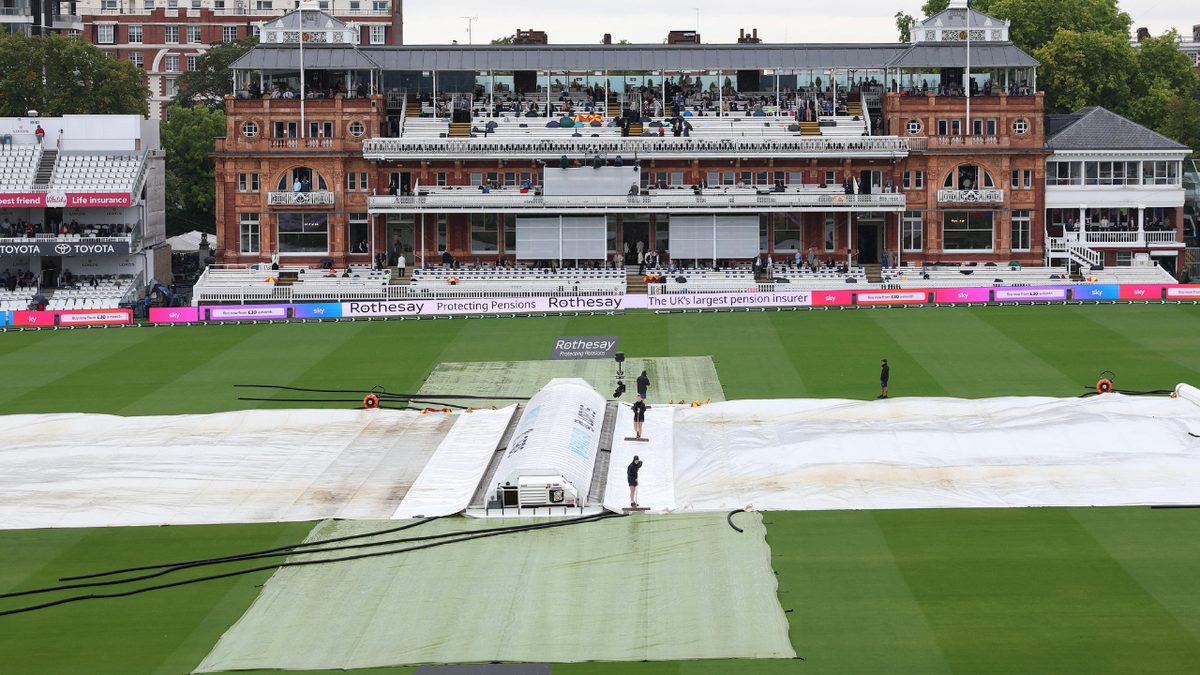
The second Test match between England and Pakistan at the iconic Lord's Cricket Ground was marred by controversy on its third day. Umpires Paul Reiffel and Allahuddien Parker made the decision to abandon play prematurely, despite the weather conditions improving significantly shortly after the players had left the field. This decision drew sharp criticism from fans and former players alike, with ex-England captain Nasser Hussain labelling it “a joke” and questioning the judgment of the officials.
Key Details
- Play was halted on Day 3 at 17:08 BST due to persistent rain that had disrupted most of the morning session.
- Despite the players leaving the field with conditions still appearing poor, the rain soon stopped, and the sky brightened.
- Umpires officially abandoned play for the day at 18:30 BST, with approximately one hour of scheduled play still remaining.
- Fans expressed their displeasure with audible boos, and former England captain Nasser Hussain voiced strong disapproval on Sky Sports.
- The weather remained dry until the scheduled close of play at 19:30 BST.
- Due to fewer than 30 overs being bowled on the day, spectators are entitled to a 50% refund on their tickets.
- England finished the day in a strong position, leading by 357 runs with seven wickets down (177-7). Dan Lawrence was unbeaten on 50.
- Lawrence acknowledged that returning to bat for a short, potentially tricky 40-minute period would not have been ideal.
- A similar incident occurred in the County Championship, where Durham was denied a chase for four runs against Gloucestershire due to bad light.
Background
Cricket, particularly in England, is heavily influenced by weather. The sport has long-standing protocols for dealing with rain delays and bad light, with the umpires’ primary responsibility being player safety and ensuring a fair contest. However, the interpretation and application of these rules can often lead to frustration, especially when conditions improve rapidly after a decision has been made. Lord's, known as the Home of Cricket, has witnessed countless historic moments, but this particular decision has added a chapter of discontent to its storied history.
"That's a joke, honestly a joke," former England captain Nasser Hussain said on Sky Sports. "I earlier said how good the umpires have been. These fans have waited all afternoon for it to stop raining. It's now bright. There's blue sky in the distance. That is an unbelievable decision, it really is. In about five minutes' time it's going to be sunny here."
Impact Analysis
The immediate impact of the umpires' decision was significant fan dissatisfaction. The booing from the crowd indicated a clear sentiment that the game had been cut short unnecessarily. Nasser Hussain’s vocal criticism, coming from a respected former captain and current commentator, amplified this sentiment, putting the umpires under intense scrutiny. Beyond the fan experience, the decision also directly impacted the match's progression. While England was in a dominant position, the lost hour could have potentially seen them extend their lead further or even taken more wickets, altering the dynamics of the game heading into the final day. The 50% ticket refund, while a measure to appease disgruntled fans, also represents a financial cost to the event organizers and highlights the disruption caused.
Broader Context
This incident is not an isolated one in the world of cricket. Debates surrounding the interpretation of “bad light” and the timing of weather-related stoppages are perennial. The advent of technology and improved forecasting means that decisions made on the field can sometimes appear out of step with the visible conditions. The mention of a similar situation in the County Championship involving Durham and Gloucestershire underscores this ongoing issue. Cricket authorities are constantly trying to balance the traditional rules of the game with the expectations of modern audiences and the realities of unpredictable weather. The frustration often stems from the perceived inflexibility of the rules or the umpires’ adherence to them, even when common sense might suggest otherwise.
Future Outlook
The controversy at Lord's is likely to reignite discussions among cricket boards and officiating bodies about the protocols for abandoning play due to weather. There may be calls for more discretionary power for umpires, or perhaps clearer guidelines on when play can resume after a delay, especially when conditions change rapidly. The balance between adhering to the laws of the game, ensuring player safety, and providing value and entertainment for spectators will remain a delicate act. Future matches might see umpires being more inclined to wait and assess improving conditions before making a final decision, especially if there is a reasonable amount of playing time left in the day.
Conclusion
The premature end to Day 3 of the England vs. Pakistan Test at Lord's serves as a stark reminder of the challenges posed by weather in cricket. While umpires must make decisions based on the conditions at hand and prioritize player safety, the specific circumstances at Lord's – with rapidly improving weather and a significant amount of playing time remaining – led to widespread criticism. The incident highlights the ongoing tension between the traditional rules of cricket and the expectations of fans and players in the modern era, prompting a necessary re-evaluation of how such decisions are made to ensure fairness and maintain the integrity of the game.
Source: sports.yahoo.com