Thrilling Showdown at the Autotrader EchoPark Automotive 400: Key Moments and Implications for the NASCAR Season
Introduction
The Autotrader EchoPark Automotive 400, part of the NASCAR Cup Series, recently unfolded with a series of exhilarating moments that captivated racing enthusiasts across the nation. This race, which took place at the Texas Motor Speedway, is known for its high speeds and strategic complexity, making it a crucial fixture in the NASCAR calendar. As the season progresses toward its climax, every race carries significant implications for driver standings and team strategies.
Key Details
- The race was held at Texas Motor Speedway, a 1.5-mile oval track known for its fast, competitive racing.
- Several top drivers battled fiercely for position, with multiple lead changes and strategic pit stops influencing the outcome.
- Key moments included intense overtaking maneuvers, caution flags that shuffled the field, and pivotal tire strategies.
- The event contributed important points toward the NASCAR playoffs, impacting driver rankings and championship contention.
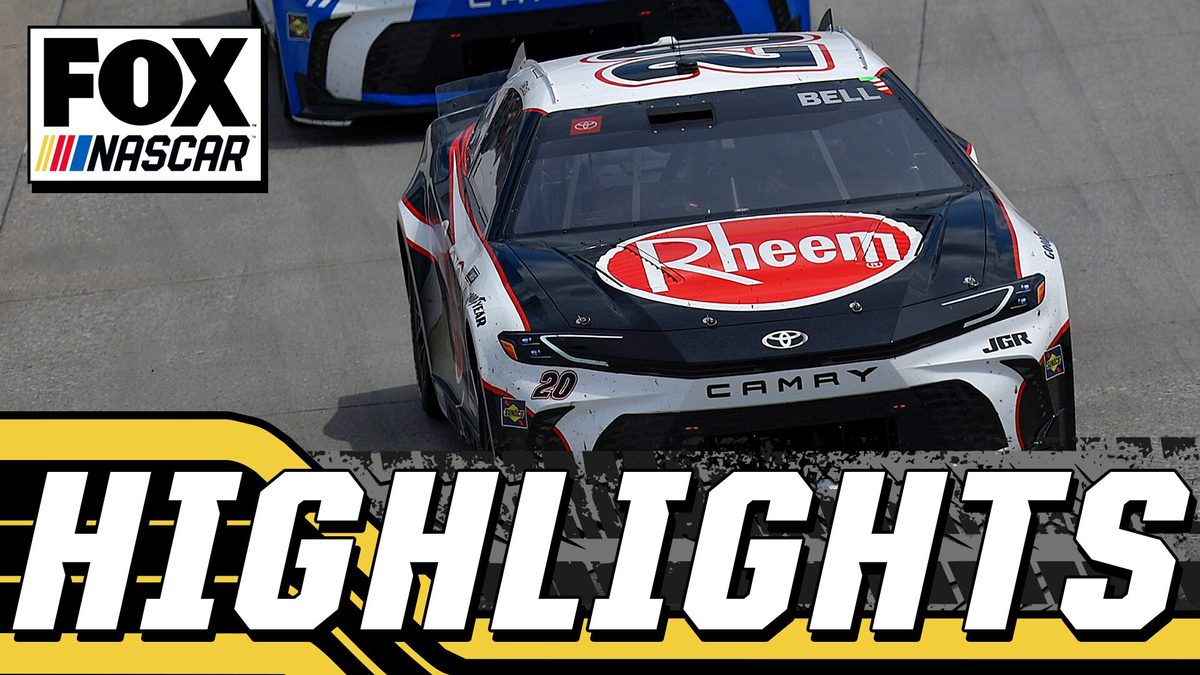
- The race was broadcast on FOX, bringing the excitement live to millions of viewers.
Background
The NASCAR Cup Series is the premier stock car racing competition in the United States, featuring a season-long battle among elite drivers and teams. The Autotrader EchoPark Automotive 400 is one of the critical races in the latter half of the season, often shaping the playoff picture and serving as a test of skill and endurance. Texas Motor Speedway, where the race is hosted, is notorious for its demanding turns and drafting challenges, requiring drivers to balance aggression with calculated control.
Throughout the season, drivers accumulate points based on their finishing positions, laps led, and stage performances. With the playoffs approaching, every race becomes a high-stakes endeavor, as drivers vie for playoff spots and seeding advantages.
Analysis
This year's Autotrader EchoPark Automotive 400 was a testament to the competitiveness and unpredictability that define NASCAR racing. The race featured a mix of veteran drivers using experience to navigate turbulent moments and younger talents pushing aggressively to make their mark. Pit crews played a critical role, executing rapid tire changes and adjustments that often determined track position.
One of the defining aspects of the race was the number and timing of caution flags, which disrupted race rhythms and created opportunities for position gains or losses. Teams had to adapt on the fly, balancing the risk of making early pit stops against the benefits of staying out longer to gain track position.
Additionally, the race showcased the importance of tire management, as the abrasive surface of Texas Motor Speedway can wear tires quickly, forcing drivers to decide when to push hard and when to conserve their equipment. The evolving race conditions tested not only driver skill but also team communication and strategic planning.
Conclusion
The Autotrader EchoPark Automotive 400 reinforced the high stakes and thrilling nature of the NASCAR Cup Series as it nears the playoff phase. With critical points gained and lost, the race has set the stage for intense battles in the coming weeks. Fans and analysts alike look forward to how the momentum shifts will influence driver performances and team strategies as the championship chase intensifies.
Broadcasts on networks like FOX continue to bring these thrilling moments to a wide audience, highlighting the enduring popularity and excitement of NASCAR racing.