Milan Corruption Scandal Threatens Real Estate Boom with Multiple High-Profile Detentions
Introduction
Milan, Italy’s financial and fashion hub, is currently rocked by a high-profile corruption probe that implicates key players in the city’s urban redevelopment scene. This investigation threatens to stall or even reverse Milan’s recent property market surge—one of the most robust in Europe—and raises serious questions about governance and transparency in urban planning. The probe involves prominent names including COIMA, a leading real estate investment platform, and notable architects Antonio Citterio and Patricia Viel, who are under judicial scrutiny.
Key Details
- Public prosecutors in Milan have requested house arrest for Manfredi Catella (founder and CEO of COIMA) and Giancarlo Tancredi (Milan’s Councilor for Urban Regeneration).
- Custody in prison has been sought for architects Alessandro Scandurra and Federico Pella, Giuseppe Marinoni (former president of Milan's Landscape Commission), and real estate entrepreneur Andrea Bezziccheri.
- The investigation exposes a systematic scheme aimed at obtaining illegal building permits and boosting speculative real estate transactions.
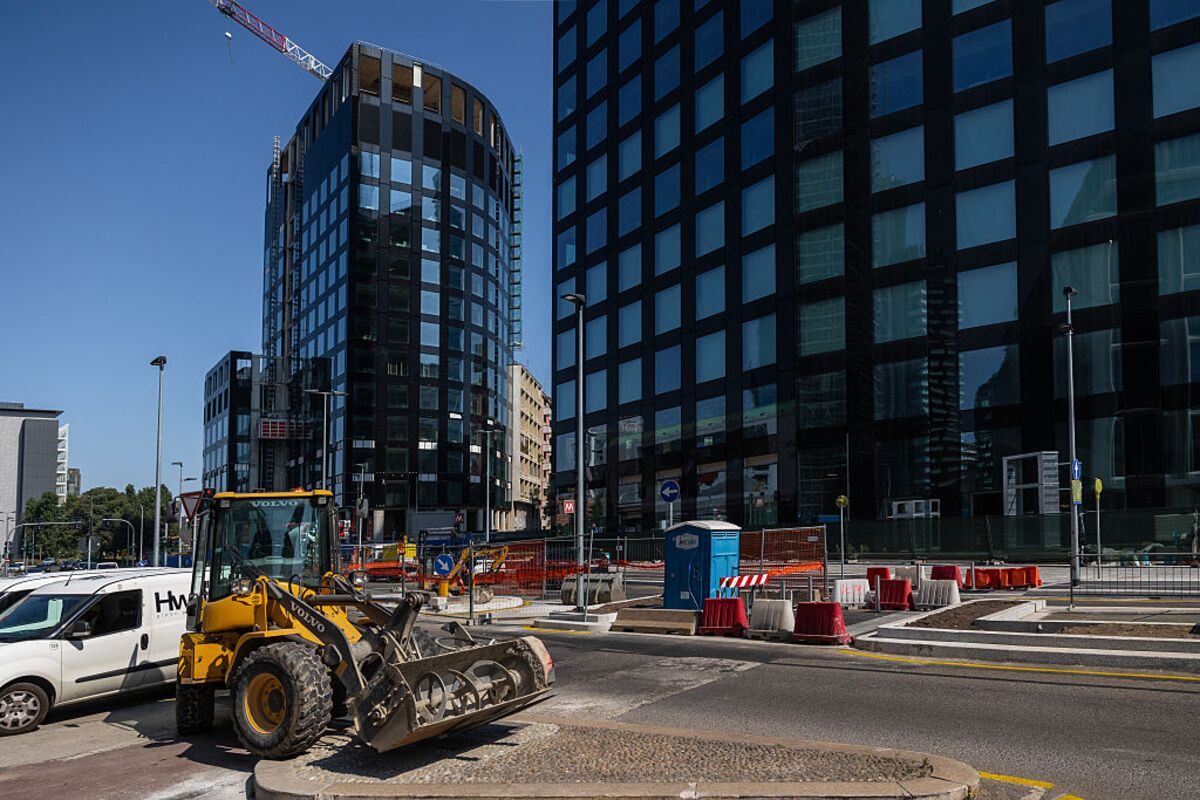
- The case notably involves the 'I Portali' project in Porta Nuova, an emblematic building designed by ACPV Architects (led by Citterio and Viel).
Background
Milan has long been Italy’s beacon of economic dynamism and innovation, with recent years seeing ambitious urban regeneration projects that attract international investors. COIMA, recognized as a leading real estate platform, has been instrumental in developing large-scale projects in iconic districts such as Porta Nuova, which symbolize Milan’s urban renewal and economic vitality. However, the sustained speed and scale of development have occasionally raised concerns about regulatory oversight and ethical standards.
The architects and officials under investigation are accused of facilitating a well-organized system to bypass legal requirements and grant building permits illicitly, fostering a climate of unchecked speculative investment. This shadow over Milan's property boom threatens to undermine public trust in institutions responsible for city planning and development.
Impact Analysis
The scandal’s immediate impact is multifaceted. For the real estate market, this means potential delays or cancellations of projects tied to the accused parties, with possible financial repercussions for investors and stakeholders. The reputation damage extends beyond the local level, risking reduced investor confidence in Milan as a safe and transparent market.
Urban regeneration policies rely heavily on a perception of good governance and fair process; hence, the exposure of corrupt practices could stall ongoing development initiatives and make future projects more difficult to approve. The allegations also invite closer scrutiny from regulatory bodies and the public, potentially leading to more stringent legal frameworks and oversight mechanisms.
"The corruption allegations reveal vulnerabilities in the urban planning system that could distort growth and investment priorities," notes an urban policy expert familiar with Milan's development landscape.
Broader Context
This probe reflects a broader problem of corruption linked to urban development that is not unique to Milan or Italy. Across many fast-growing cities worldwide, the interplay between real estate ambitions, political interests, and regulatory pressures often creates fertile ground for unscrupulous behavior. With urbanization accelerating globally, ensuring transparency and accountability in land use planning is a growing challenge.
Italy has had a historical struggle with corruption in both public administration and the private sector, affecting infrastructure, real estate, and construction industries. This case could serve as a pivotal moment in the country’s fight against graft, spotlighting the need for systemic reforms and more robust institutional frameworks.
Future Outlook
The ongoing judicial proceedings are expected to unfold over the coming months, with potential legal consequences for those involved. If convictions are secured, Milan’s municipal government and planning authorities may be compelled to overhaul their permit processes and strengthen anti-corruption measures.
For developers and investors, the case emphasizes the necessity of due diligence and adherence to ethical practices. Milan’s attractiveness as a global city partly depends on maintaining transparent, efficient urban development systems that respect the rule of law. Restoring confidence after this scandal will require collaborative efforts among public officials, private enterprise, and civil society.
Conclusion
The Milan corruption probe highlights critical vulnerabilities in the intersection of urban planning, politics, and real estate development. As investigations deepen, the outcomes could reshape the city’s development trajectory and set important precedents for combating corruption in urban economies. Protecting Milan’s impressive growth and focusing on sustainable, equitable urban regeneration remain urgent priorities amidst these challenges.