European Gas Prices Stabilize at Two-Week Lows Amid Improved Supply Conditions
Introduction
European natural gas markets have shown notable stability in recent days, with prices holding near a two-week low. This development reflects a market reassessing supply conditions after a period of uncertainty caused by recent disruptions. The easing of these supply-side concerns has calmed price volatility, providing some relief to consumers and policymakers alike amid ongoing energy security challenges.
Key Details
- Natural gas prices in Europe have hovered near their lowest levels since mid-April.
- The improved supply outlook follows a reduction in disruptions affecting key pipelines and LNG terminals.
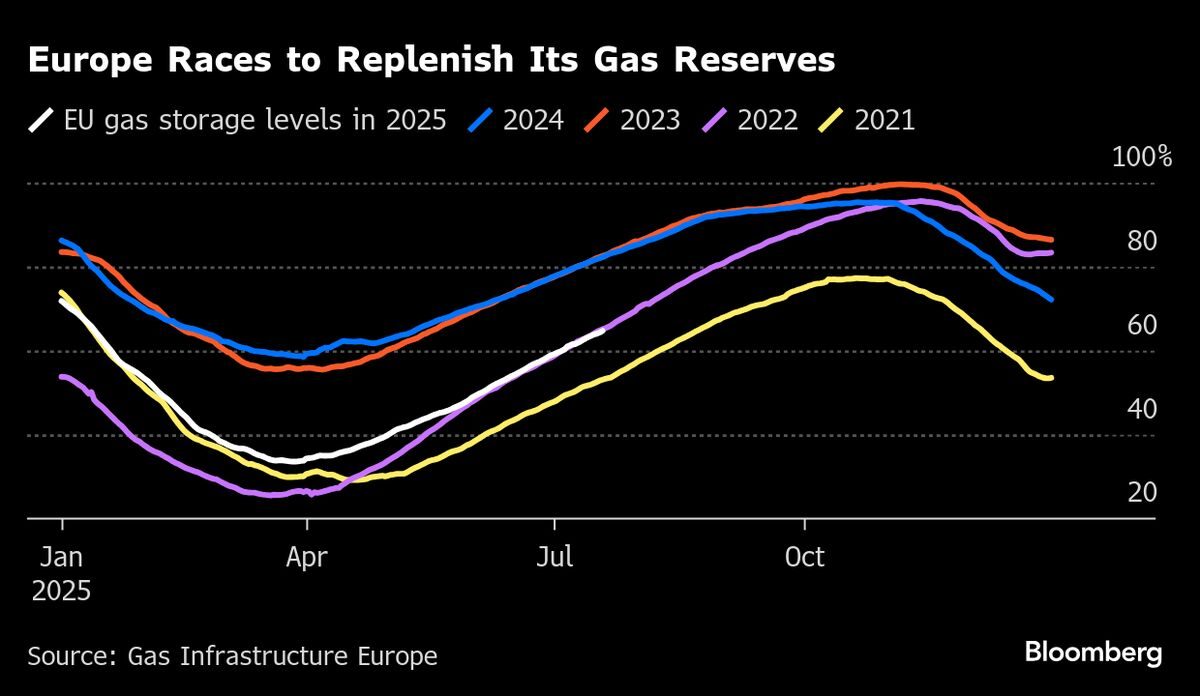
- Storage facilities across Europe have been replenishing at a steady pace, contributing to market confidence.
- Weather forecasts indicate moderate demand levels, further supporting price stability.
- Traders remain watchful of geopolitical developments that could influence future supply dynamics.
Background
Over the past months, European natural gas markets experienced significant volatility due to a combination of factors including supply disruptions, geopolitical tensions, and fluctuating demand patterns. Key pipelines delivering Russian gas saw interruptions due to maintenance and political disputes, while LNG imports faced logistical challenges. These issues tightened supply, pushing prices to elevated levels and raising concerns about energy availability ahead of the winter heating season.
However, recent weeks have seen a gradual return to normalcy. Maintenance work on pipelines has been completed without major complications, and LNG regasification terminals have resumed higher throughput levels. Additionally, European countries have actively managed their storage inventories, aiming to ensure ample reserves for the colder months. This coordinated approach has helped alleviate immediate concerns about supply shortages.
Analysis
The stabilization of gas prices near two-week lows is a positive signal for Europe's energy market, indicating that supply disruptions have been effectively managed and that market participants have regained confidence in the short-term supply outlook. The replenishment of storage facilities reduces vulnerability to supply shocks and price spikes during periods of high demand. Moreover, milder weather forecasts reduce the urgency for emergency purchasing, softening demand pressures.
Nevertheless, the market remains sensitive to wider geopolitical risks. Russia remains a major supplier to Europe, and any escalation in political tensions or new sanctions could disrupt flows again. Similarly, global LNG market dynamics, influenced by demand from Asia and the United States, continue to affect gas availability and pricing in Europe. The delicate balance between supply and demand requires ongoing monitoring as winter approaches.
Energy policy decisions at the EU level, including diversification of supply sources and enhanced energy efficiency measures, also play a critical role in shaping market stability. Investments in renewable energy and infrastructure upgrades may gradually reduce dependence on natural gas, but for the immediate future, managing natural gas supplies remains crucial.
Conclusion
In summary, European natural gas prices holding near two-week lows reflect a market reassured by improved supply conditions and effective management of recent disruptions. While caution remains due to geopolitical uncertainties and seasonal demand fluctuations, the current outlook suggests a more balanced and less volatile market environment. Stakeholders will continue to monitor developments closely as Europe navigates the complex energy landscape heading into winter.