ChatGPT Emerges as Advertising Platform, Targeting Motivated Users
Introduction
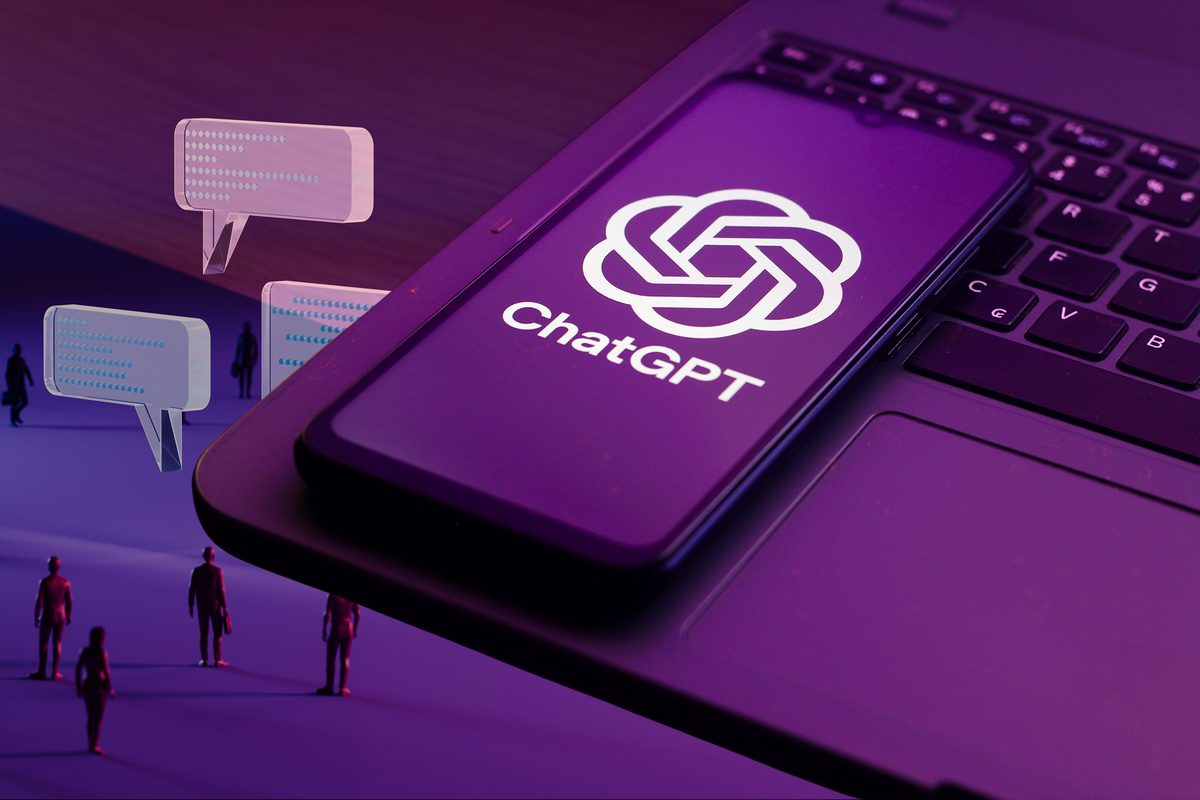
The landscape of digital advertising is in constant flux, and a significant, albeit covert, shift has occurred with OpenAI’s integration of an advertising platform within ChatGPT. This development, which unfolded earlier this year, transforms the widely used AI chatbot into a new channel for advertisers seeking to reach consumers at a critical juncture in their decision-making process. While not a direct replacement for established giants like Google or Meta, ChatGPT Ads introduces a novel approach by placing sponsored messages directly alongside AI-generated answers, targeting users actively researching or evaluating options.
Key Details
- New Advertising Channel: OpenAI has quietly launched an advertising feature within ChatGPT, displaying sponsor message cards when the AI generates answers to user queries.
- Target Audience: Ads are shown to users on ChatGPT's free plan and the 'Go' subscription tier. Premium subscribers (Plus, PRO) do not see ads. The focus is on reaching a smaller pool of highly motivated users rather than mass impressions.
- Targeting Capabilities: Current targeting options are limited to country and 'context' (the general subject of the query). Demographic or keyword-based targeting is not available.
- Optimization Limitations: Advertisers have restricted opportunities for optimization. While first-party data uploads for targeting or exclusion are possible, the lack of detailed conversation data means the channel performs best with clear, direct offers.
- Ideal Use Cases: ChatGPT Ads are most effective for products or services where users are actively evaluating options, such as software, educational courses, travel, and other service-based purchases.
- Low Barrier to Entry: Unlike initial reports suggesting high minimum investments, OpenAI Ads Manager is now accessible to most businesses, with campaigns potentially starting at around $25 per day.
Background
For years, the established script for digital customer acquisition involved platforms like Google Ads, Meta's suite (Facebook, Instagram, WhatsApp), LinkedIn, and emerging players like TikTok and X (formerly Twitter). These platforms have long offered sophisticated targeting mechanisms based on user demographics, interests, past behavior, and search keywords. However, the advent of advanced AI, exemplified by ChatGPT, has created a new frontier. OpenAI’s decision to integrate advertising into ChatGPT, a tool many now use as a primary research and decision-making aid—akin to a modern-day Google search for specific queries—represents a significant evolution. This move was faster than many anticipated, evolving from initial tests to a broader rollout within months.
Impact Analysis
The introduction of ChatGPT Ads presents a unique proposition for businesses. Unlike traditional search or social media advertising, where users are actively seeking out ads or content, ChatGPT Ads intercepts users at the point of information gathering and decision-making. The ads appear as sponsor message cards below the AI's response, designed not to alter the core answer but to offer an additional, relevant option. This approach targets a user who is already engaged and potentially in a buying mindset. Early reports suggest significant traction, with the ad test reportedly generating $100 million annually after only six weeks, indicating strong advertiser interest. Top agencies are already developing strategies, and early experiments by businesses have yielded insights into its effectiveness, particularly for clear, offer-driven campaigns.
"The conversations themselves are not provided to advertisers by OpenAI, meaning this marketing channel works best with a clear offer rather than a vague one because of its inability to be targeted precisely."
Broader Context
The integration of advertising into conversational AI platforms like ChatGPT raises broader questions about the future of online advertising and user experience. As AI becomes more sophisticated and integrated into daily life, the lines between information retrieval, content consumption, and commercial interaction will continue to blur. OpenAI’s strategy appears to be one of gradual integration, ensuring that ads do not detract from the core functionality of ChatGPT, a crucial step in maintaining user trust. The limited targeting options, while a constraint for advertisers accustomed to granular control, may also serve to create a less intrusive advertising experience for users. This contrasts with the often overwhelming and hyper-personalized advertising prevalent on other platforms.
Future Outlook
The ChatGPT advertising platform is still in its nascent stages, characterized by rapid evolution. OpenAI has already revised ad formats, targeting tools, and category policies multiple times, signaling a commitment to refining the offering. For entrepreneurs and marketers, the current advice is to approach this new channel with experimentation rather than wholesale budget reallocation. Running small-scale tests will allow businesses to understand the platform's performance for their specific offerings and target audience. As the platform matures, we can expect OpenAI to introduce more sophisticated targeting options and ad formats, potentially increasing its appeal and effectiveness for a wider range of businesses. The success of this model could also pave the way for similar advertising integrations in other AI-driven platforms.
Conclusion
OpenAI's move to integrate advertising into ChatGPT marks a significant moment in the evolution of digital marketing. By targeting users at the point of decision-making with a focus on clear offers and contextual relevance, ChatGPT Ads presents a unique opportunity for businesses, particularly those with straightforward value propositions. While the platform's limitations in targeting and optimization require a different strategic approach compared to established ad networks, its accessibility and potential to reach motivated consumers make it a compelling channel to explore. As it continues to develop, marketers should view ChatGPT Ads not as a replacement for existing strategies, but as a valuable, complementary tool in their arsenal, best approached through careful experimentation and adaptation.
Source: entrepreneur.com