Grassroots Climate Movement Gains Momentum: The Green New Deal Spark
Introduction
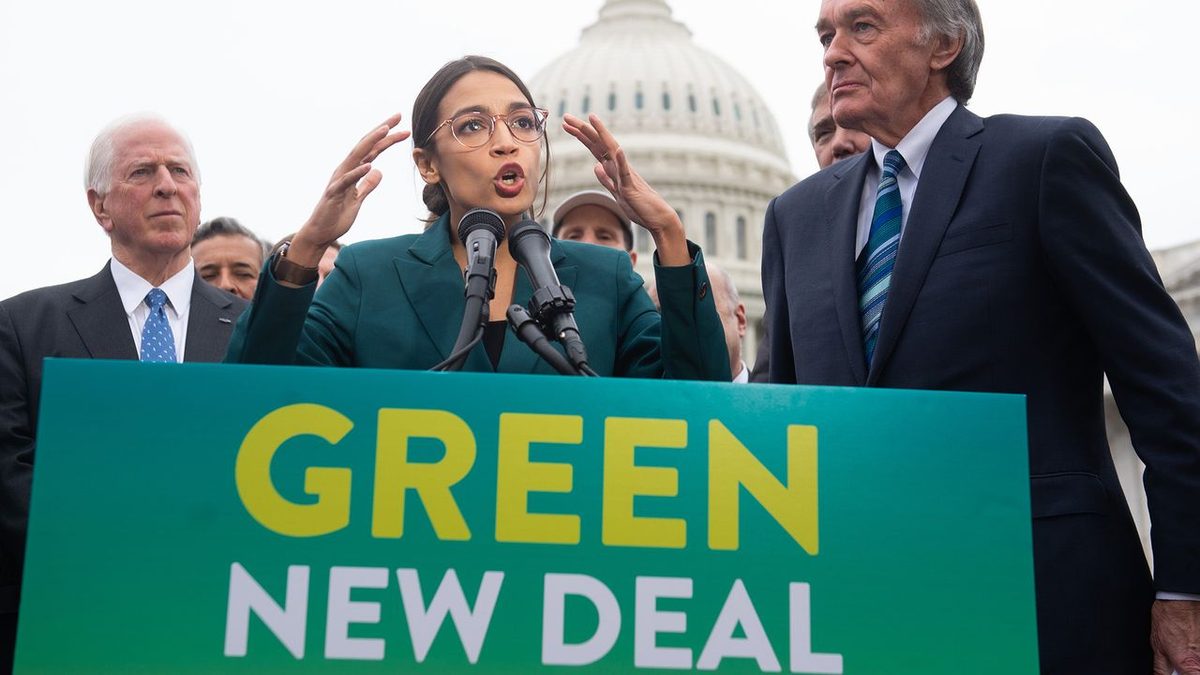
In 2018, a significant shift occurred in U.S. climate policy discourse, marked by the emergence of the Green New Deal. This pivotal moment, explored in Leah Stokes' forthcoming book, "The Carbon Wave," was not a sudden event but the culmination of growing environmental concern, impactful personal experiences, and strategic grassroots activism. The concept, once a fringe idea, rapidly gained traction, signaling a new era of hope and urgency in addressing the climate crisis.
Key Details
- The Green New Deal concept gained prominence in U.S. politics in 2018, largely driven by grassroots movements.
- Representative Alexandria Ocasio-Cortez championed the Green New Deal, linking it to large-scale mobilization efforts akin to World War II or the Marshall Plan.
- A September 2017 IPCC report warning of the need to limit warming to 1.5°C by reducing emissions by almost half by 2030 significantly raised public awareness and urgency.
- Young activists from the Sunrise Movement played a crucial role, staging a sit-in at Nancy Pelosi's office in November 2018, demanding a plan with a 12-year timeline.
- Ocasio-Cortez's endorsement and encouragement of the Sunrise Movement's call for a Green New Deal amplified its reach and impact.
- A March 2019 policy development meeting highlighted both the potential and the internal tensions within the burgeoning climate movement, particularly regarding environmental justice concerns.
- Varshini Prakash, executive director of the Sunrise Movement, emerged as a key young leader, embodying the urgency and vulnerability of the movement.
Background
The journey towards the Green New Deal's prominence began with personal experiences and broader societal events. Alexandria Ocasio-Cortez, while not yet a public figure, was deeply affected by the devastation of Hurricane Maria in Puerto Rico in September 2017. The prolonged power outages and the death of her grandfather underscored the disproportionate impact of climate change on vulnerable communities. This personal tragedy, coupled with her earlier experience at Standing Rock, North Dakota, witnessing the resistance to the fossil fuel industry's impact on Indigenous peoples, solidified her commitment to climate action.
Serendipitously, shortly after her return from Standing Rock, Ocasio-Cortez was approached by a progressive organization to run for Congress. Inspired by the activism she had witnessed, she accepted the challenge. Her campaign in a Bronx district, against a ten-term incumbent, was considered a long shot. However, her platform, which included the ambitious Green New Deal, resonated with voters. Her primary victory in June 2018 marked a significant moment, bringing climate change back to the forefront of the political agenda.
Impact Analysis
The release of the Intergovernmental Panel on Climate Change (IPCC) report in November 2018, stating that limiting global warming to 1.5°C required emissions to fall by nearly half by 2030, created a sense of acute urgency. Headlines like “We Have 12 Years to Limit Climate Catastrophe” galvanized public attention. This scientific warning coincided with the U.S. midterm elections, where Democrats achieved significant gains. In the aftermath, the Sunrise Movement, a youth-led organization, staged a protest at incoming House Speaker Nancy Pelosi's office, holding signs that referenced the IPCC's stark warning.
Representative Ocasio-Cortez, newly elected, joined the activists, encouraging them to coalesce around a clear policy demand: the Green New Deal. This synergy between grassroots energy and political momentum proved powerful. The Green New Deal offered a hopeful vision, not just of averting disaster, but of building a better future through investments in clean energy and job creation. It shifted the narrative from one of sacrifice and doom to one of opportunity and collective action.
“The Green New Deal we are proposing will be similar in scale to the mobilization efforts seen in World War II or the Marshall Plan. We must again invest in the development, manufacturing, deployment, and distribution of energy, but this time green energy.”
Broader Context
The emergence of the Green New Deal occurred within a broader context of increasing climate awareness and activism. The personal narratives of individuals like Ocasio-Cortez and young activists such as Varshini Prakash of the Sunrise Movement highlighted the human dimension of the climate crisis. The book excerpt touches upon the complexities within the movement itself, noting a contentious meeting in March 2019 where disparities in consultation and participation between frontline environmental justice communities and other stakeholders became apparent. This internal dynamic, while challenging, underscored the movement's commitment to inclusivity and addressing systemic inequities.
Future Outlook
Stokes' work suggests that the grassroots climate movement, despite facing significant challenges and internal complexities, has fundamentally altered the landscape of climate policy. The Green New Deal, as a concept, has moved from the periphery to the center of policy debates, inspiring a new generation of activists and policymakers. The book promises to offer insights into the ongoing struggle, detailing how elements of the Green New Deal were contested and implemented during subsequent political administrations. The overarching message is one of cautious optimism: that persistent, collective action, even from seemingly small beginnings—like “drops in the ocean”—can indeed create significant change and “make waves.”
Conclusion
The rise of the Green New Deal in 2018, as chronicled in Leah Stokes' "The Carbon Wave," exemplifies the power of grassroots movements to shape national policy. Fueled by personal conviction, scientific urgency, and the strategic mobilization of young activists, the movement successfully injected a bold, hopeful vision into the climate debate. While challenges and internal debates persist, the Green New Deal's entry into the mainstream signifies a critical turning point, demonstrating that dedicated collective action can challenge established systems and push for transformative change in the face of the climate crisis.
Source: livescience.com