Trump's Medicaid Drug Price Pledge: A Year Later, Limited Impact and Lingering Questions
Introduction
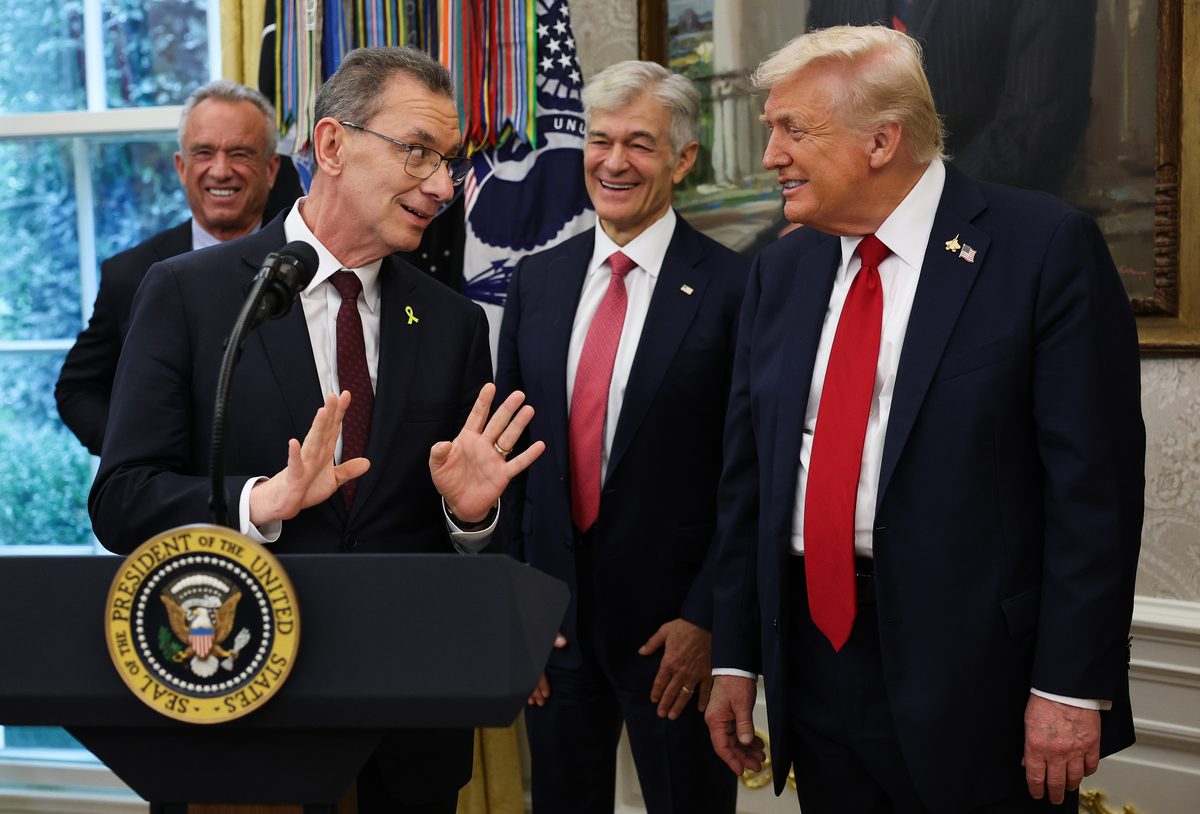
One year ago, President Trump stood in the Oval Office and declared a significant victory in his administration's efforts to lower prescription drug costs. He announced a series of agreements with pharmaceutical companies, notably Pfizer, aimed at bringing U.S. drug prices, particularly for Medicaid beneficiaries, in line with those paid by other wealthy nations. This initiative, framed as a cornerstone of his healthcare policy, promised substantial savings for taxpayers and improved access for millions of low-income and disabled Americans. However, a year on, the reality of this pledge appears far more complex and less impactful than initially heralded.
Key Details
- The Promise: On September 30, 2025, President Trump announced that Pfizer would offer all its prescription medications to Medicaid at “most favored nation” prices, anticipating similar commitments from 25 other unnamed pharmaceutical companies. The goal was to significantly reduce Medicaid's net spending on prescription drugs, which had grown by 46% between 2019 and 2024, reaching $46 billion.
- The Mechanism: The initiative, dubbed the “Generous” pilot program, relies on voluntary participation from both drug manufacturers and individual states. Participating companies would offer discounted prices, theoretically aligning with international benchmarks.
- Lack of Transparency: The specific terms of the agreements between the administration and the 26 companies have not been made public. This has led to uncertainty regarding the scope of discounts and the exact drugs included.
- Limited Drug Participation: Major pharmaceutical companies contacted by NPR confirmed they would offer discounts on only selected or certain drugs, not all of their medications. For instance, Gilead mentioned “selected covered products,” Sanofi cited “certain wholly owned medicines,” and Eli Lilly expected “many” but not all of its eligible drugs.
- State Opt-In Required: The program is a voluntary pilot, meaning each state must actively choose to participate and agree to specific conditions, including potentially overriding their own drug coverage rules.
- Slow Rollout: Deadlines for both drug companies and states to sign up for the pilot program have been repeatedly postponed, indicating a slow and uncertain implementation process.
Background
President Trump has consistently campaigned on a platform of lowering prescription drug costs, often citing the U.S. as having the highest prices globally. The “most favored nation” concept aims to peg U.S. prices to those paid in other developed countries, a move intended to curb pharmaceutical industry profits and reduce government spending. The Medicaid program, a vital safety net covering 66 million Americans, represents a significant portion of healthcare expenditure. The administration's focus on this program signaled an intent to tackle a major cost center. The announcement last year was presented as a concrete step towards fulfilling these campaign promises, with the White House suggesting it would be the first of many such deals.
Impact Analysis
The core issue lies in the voluntary nature of the program. Pharmaceutical companies, while agreeing to participate, appear to be offering discounts on a limited selection of drugs. This strategy allows them to claim participation and public credit while potentially offering minimal actual savings, especially on drugs for which they already provide significant discounts or those with lower international prices. Dr. Thomas Hwang of Brigham and Women's Hospital expressed concern that this “cherry-picking” allows companies to “limit their liability and pay less to Medicaid,” undermining the program's intended impact.
Furthermore, the requirement for states to opt-in introduces another layer of complexity. States face potential financial risks. While the federal government shares Medicaid costs, states must balance their budgets annually. The Generous pilot program might compel states to abandon their cost-control measures, such as prior authorization or step therapy requirements, potentially leading to increased overall spending if more patients gain access to previously restricted high-cost drugs. This creates a difficult trade-off for state budget managers. As of the latest reports, only a few states, like Massachusetts, have publicly committed to joining, while others, like California, are still evaluating the details, highlighting the reluctance or hesitation among many states to embrace the program fully.
“Companies have every incentive to cherry-pick [for this program] the products for which they already give Medicaid the best discounts and for which the international price may not be that much lower,” said Dr. Thomas Hwang. “So there would be an incentive for companies to try to limit their liability and pay less to Medicaid.”
Broader Context
The Trump administration's efforts to lower drug prices are part of a larger, ongoing debate in the United States about pharmaceutical pricing, market regulation, and government intervention. While the administration has pursued executive orders and administrative actions, legislative efforts have often stalled. The approach taken with Medicaid drug pricing reflects a strategy of leveraging existing programs and negotiating directly with manufacturers, rather than broad legislative reform. This contrasts with approaches in other countries, where governments often have more direct power to negotiate drug prices on behalf of their entire population. The limited success of the Generous pilot program underscores the challenges of implementing significant policy changes through voluntary agreements and pilot projects in a complex, multi-stakeholder healthcare system.
Future Outlook
The future of the Generous pilot program remains uncertain. The repeated delays in implementation and the limited confirmed participation from both companies and states suggest that its impact may be marginal. The administration's refusal to release the detailed agreements further fuels skepticism. Without greater transparency and a more robust framework that ensures broader participation and meaningful discounts, the program is unlikely to achieve the substantial cost reductions initially promised. It is possible that the program could be scaled back, modified, or simply fade into obscurity if states and companies do not see clear benefits or if political priorities shift. The effectiveness of such initiatives hinges on concrete, verifiable outcomes rather than aspirational pledges.
Conclusion
A year after President Trump announced a groundbreaking initiative to lower Medicaid drug prices, the program has fallen short of its ambitious goals. The reliance on voluntary participation, coupled with a lack of transparency and potential financial risks for states, has resulted in a limited rollout. While some discounts may materialize for specific drugs in participating states, the broad, transformative impact promised—bringing down overall Medicaid drug spending significantly—appears unlikely. The initiative highlights the inherent difficulties in enacting sweeping healthcare policy changes through negotiated agreements rather than comprehensive legislation, leaving many of the administration's initial promises unfulfilled.
Source: npr.org