Kratom and 7-OH Use Surges, Overwhelming US Addiction Centers
Introduction
Addiction treatment providers nationwide are sounding the alarm as they witness a significant surge in patients struggling with dependence on kratom, a plant-based substance, and its more potent derivative, 7-hydroxymitragynine (7-OH). This escalating crisis is straining resources and highlighting the evolving landscape of substance use disorders in the United States.
Key Details
- Dramatic Increase in Use: Telehealth clinic Boulder Care reported a sharp rise in new patients identifying as kratom users, climbing from 3% in September 2025 to 8% by July 2026, and further escalating to 14% by August 2026.
- Potent Derivative: Many patients are now using newer products containing high levels of 7-OH, a compound naturally present in only trace amounts in kratom leaves. 7-OH directly interacts with opioid receptors, leading to stronger effects akin to opioids.
- Misleading Marketing: Some 7-OH products are deceptively marketed as kratom, and both types of products have been found to contain unlisted ingredients, raising significant safety concerns.
- Severe Withdrawal Symptoms: Patients are experiencing severe withdrawal symptoms, comparable to those of traditional opiates, including agitation, sweating, anxiety, and diarrhea. Dr. Ayesha Appa of Boulder Care noted, “People can experience incredibly severe opioid withdrawal while buying something marketed as wellness.”
- Strain on Treatment Centers: Inpatient clinics run by Recovery Centers of America in Massachusetts, which previously admitted few kratom patients weekly, now see 10 to 20 such cases per week.
- Buprenorphine Use: Nearly one-third of new Boulder Care patients starting buprenorphine, a medication for opioid withdrawal, reported current use of kratom or 7-OH in the month prior.
Background
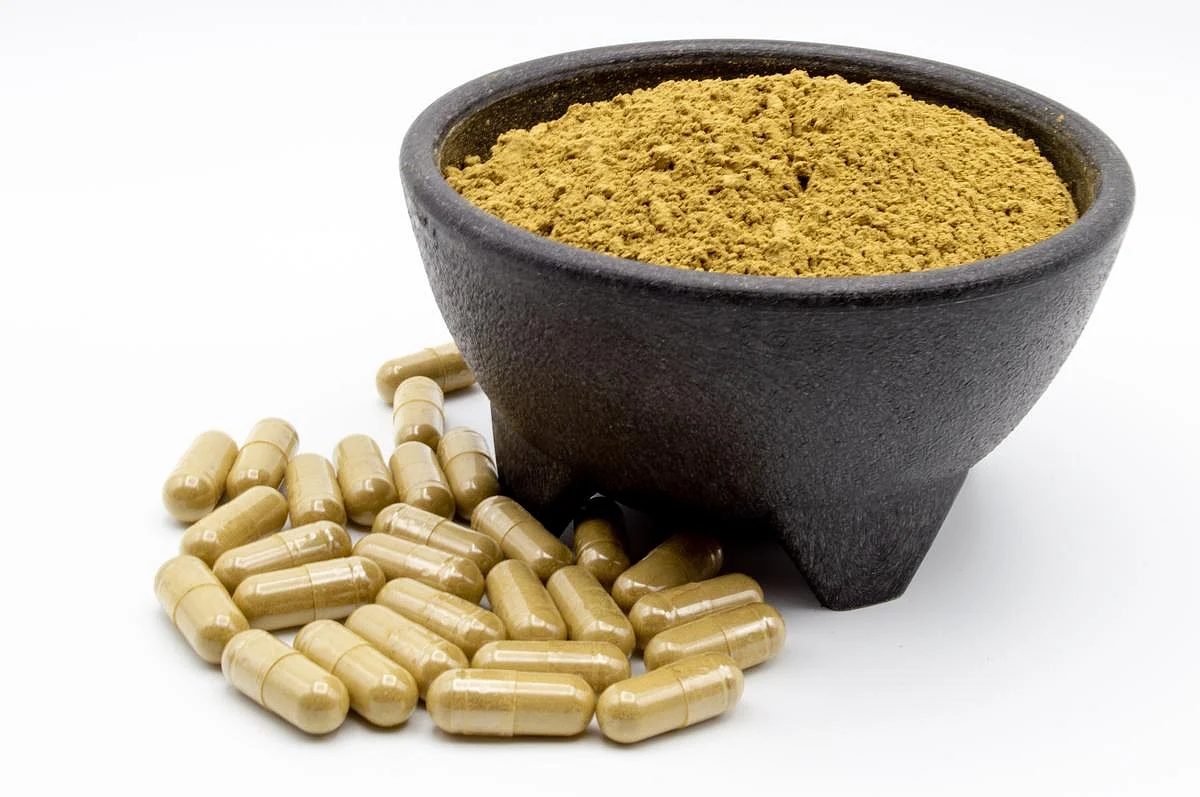
Kratom, derived from the leaves of a tree native to Southeast Asia, has been available in the U.S. for decades, typically sold as a powder, pill, or tea. It is often marketed for its purported mood-lifting, energy-boosting, and pain-relieving properties. However, the emergence of products with concentrated levels of 7-OH has shifted the risk profile dramatically. Unlike the main compounds in kratom leaves, 7-OH acts directly on the brain’s opioid receptors, mimicking the effects of opioids and increasing the potential for dependence and severe withdrawal.
Impact Analysis
The surge in kratom and 7-OH dependence is placing an unprecedented strain on addiction treatment services. Centers are reporting a significant uptick in patients requiring intervention, often presenting with withdrawal symptoms as severe as those seen with traditional opioid use disorders. This necessitates a reassessment of treatment protocols and resource allocation. The fact that patients are experiencing such intense opioid-like withdrawal from a substance often perceived as a “wellness” product underscores a dangerous disconnect between consumer perception and the reality of these potent substances.
“I think we're really seeing and feeling what happens when people lose access and need to seek care in unprecedented numbers,” noted Dr. Ayesha Appa, highlighting the growing need for accessible and informed treatment options.
Broader Context
Regulatory responses to kratom and 7-OH vary significantly across the U.S. The U.S. Food and Drug Administration (FDA) has identified 7-OH as an emerging opioid threat, and the Drug Enforcement Administration (DEA) has proposed regulations to control its availability. Many states have already implemented their own restrictions. Dr. Appa suggests that these access restrictions may be inadvertently driving some users into withdrawal, compelling them to seek professional help in larger numbers.
Future Outlook
The increasing prevalence of kratom and 7-OH dependence signals a growing public health challenge. Treatment providers will likely need to adapt their approaches to address the unique aspects of kratom withdrawal and co-occurring substance use. Further research into the long-term effects and addiction potential of these substances is crucial. Clearer regulatory frameworks and public health campaigns educating consumers about the risks associated with these products are also essential to mitigate future harm.
Conclusion
The sharp rise in kratom and 7-OH dependency cases across the U.S. presents a critical public health issue. The increasing number of patients facing severe withdrawal symptoms and overwhelming treatment centers demands immediate attention. Understanding the risks associated with these substances, particularly the potent 7-OH derivative, and ensuring access to evidence-based treatment are paramount in addressing this escalating crisis.
Source: drugs.com