Black Sabbath’s ‘Witch’ Model Louisa Livingstone Finds New Fame as Musician Indreba
Introduction
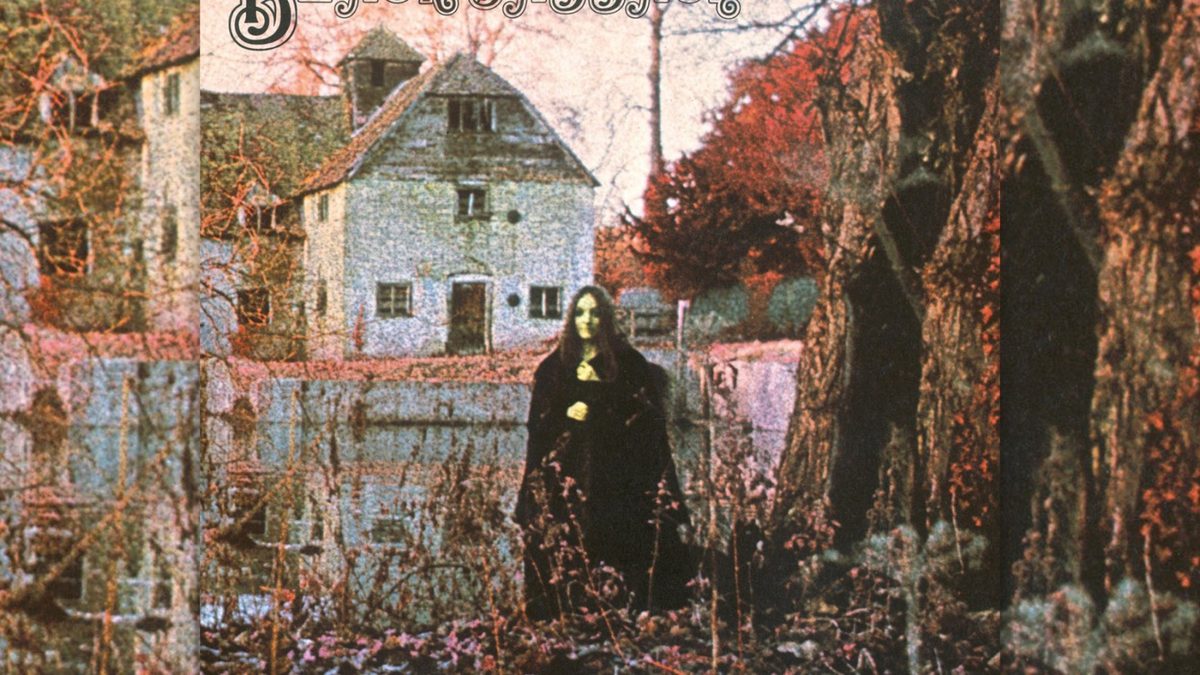
For nearly fifty years, the striking image of a cloaked woman on the cover of Black Sabbath’s self-titled debut album has captivated metal fans worldwide. Her identity remained a mystery until 2020, when a Rolling Stone article revealed her to be Louisa Livingstone, a model who had also graced the covers of albums for Queen and other notable bands. Now, Livingstone, who records electronic and rock music under the moniker Indreba, is reclaiming her iconic status, not just as a visual symbol, but as an active musical artist whose work directly engages with her legendary album art.
Key Details
- Louisa Livingstone, the model from Black Sabbath’s 1970 debut album cover, was identified in 2020.
- She now records music as Indreba, blending electronic and rock genres.
- Livingstone has released two rock-focused songs, “Witch Woman” and “The Woman by the Mill,” referencing her album cover fame.
- Her latest project is a 23-minute mini-rock opera titled “Alice,” inspired by Lewis Carroll’s books and discussions with an AI chatbot about panpsychism.
- The “Alice” project incorporates themes of AI, illusion, nature, and the digital world, featuring songs like “Feed Your Head” and “The Red Queen’s Wake-Up Call.”
- Livingstone grew up in a musical household and has a background in modeling, acting, and playing various instruments.
- She is experimenting with AI for voice cloning and music creation, viewing it as a powerful creative tool.
Background
Livingstone’s journey to becoming the “Witch Woman” of Black Sabbath was serendipitous. The photograph, taken by Keith Macmillan at Mapledurham Watermill, captured a young Livingstone, unaware of the cultural impact the image would have. For decades following the album’s release, she pursued a multifaceted creative career, working as a model and actress, and later moving to mainland Europe. It was there she began exploring electronic music, adopting the name Indreba, a portmanteau of “Incredible Dream Band.” She was initially unprepared for the immense and enduring fanbase of Black Sabbath, but has since found the interactions with fans to be “very nice.”
“I still find it a little bizarre at times being the Black Sabbath ‘witch woman’ since of course I’m also a lot of other things … but there have been some very nice interactions with a few lovely Black Sabbath fans online,” Livingstone stated.
Impact Analysis
Livingstone’s recent musical output represents a fascinating intersection of legacy and innovation. By releasing songs like “Witch Woman” and “The Woman by the Mill,” she directly confronts and embraces the iconography that brought her initial fame. The lyrics, such as “Now I’m the face of heavy metal, leading the way,” and references to the Mapledurham Watermill, serve as a clever meta-commentary on her enduring connection to the album. These tracks, described as having hints of Sabbathian doom metal with a unique melodrama, resonate with the very fanbase that has kept the album’s mystique alive for half a century. Her deliberate choice to release music within the metal genre for her Sabbath fans has been “gratifying,” she notes, highlighting a successful effort to connect with her audience on their terms.
Broader Context
Beyond her direct engagement with her Black Sabbath legacy, Livingstone’s current artistic endeavors reflect contemporary cultural and technological trends. Her 23-minute rock opera, “Alice,” inspired by Lewis Carroll’s classic tales and a conversation with an AI chatbot about panpsychism, delves into themes of consciousness, artificial intelligence, and the nature of reality in the digital age. The project, which includes tracks like “Feed Your Head” with updated lyrics referencing online scrolling and “The Red Queen’s Wake-Up Call” lamenting the ephemeral nature of digital spaces, positions Livingstone as an artist exploring modern anxieties and philosophical questions through a fantastical lens. Her background, which includes a mother who was a “virtuoso violinist” and her own proficiency with guitar and keyboards, provides a solid musical foundation for these ambitious projects. Her embrace of AI for voice cloning and music production, while acknowledging the potential for both “rubbish” and “something really good,” showcases a forward-thinking approach to creativity.
Future Outlook
Livingstone’s artistic trajectory appears to be one of continuous exploration and reinvention. She plans to further investigate the capabilities of digital audio workstations like Logic and synthesizers such as Omnisphere, aiming to push the boundaries of her sound. The aspiration to perform her “Alice” rock opera live in a theater setting suggests a desire to bring her conceptual work to a wider audience in a dramatic, immersive format. Her overarching goal is to “carry on creating enjoyable music that’s a joy to make in all kinds of ways,” and crucially, “to dispense with anything that tries to box me in.” This commitment to artistic freedom suggests that Indreba’s future output will likely continue to surprise and engage, blending her iconic past with a dynamic, technologically informed present.
Conclusion
Louisa Livingstone’s story is a remarkable testament to the enduring power of iconic imagery and the evolving nature of artistic expression. From the enigmatic “Witch” on Black Sabbath’s debut album to the innovative musician Indreba, she has navigated a unique path through the creative world. Her recent work, which thoughtfully integrates her past fame with contemporary musical styles and technological explorations, demonstrates a powerful synthesis of legacy and forward momentum. By embracing her iconic status and channeling it into new, relevant artistic statements, Livingstone offers a compelling narrative of reinvention and artistic fulfillment, proving that some figures, once captured in time, continue to evolve and inspire across generations.
Source: rollingstone.com