Iron Ore Prices Surge Amid China’s Mega Dam Project and Industrial Overcapacity Controls
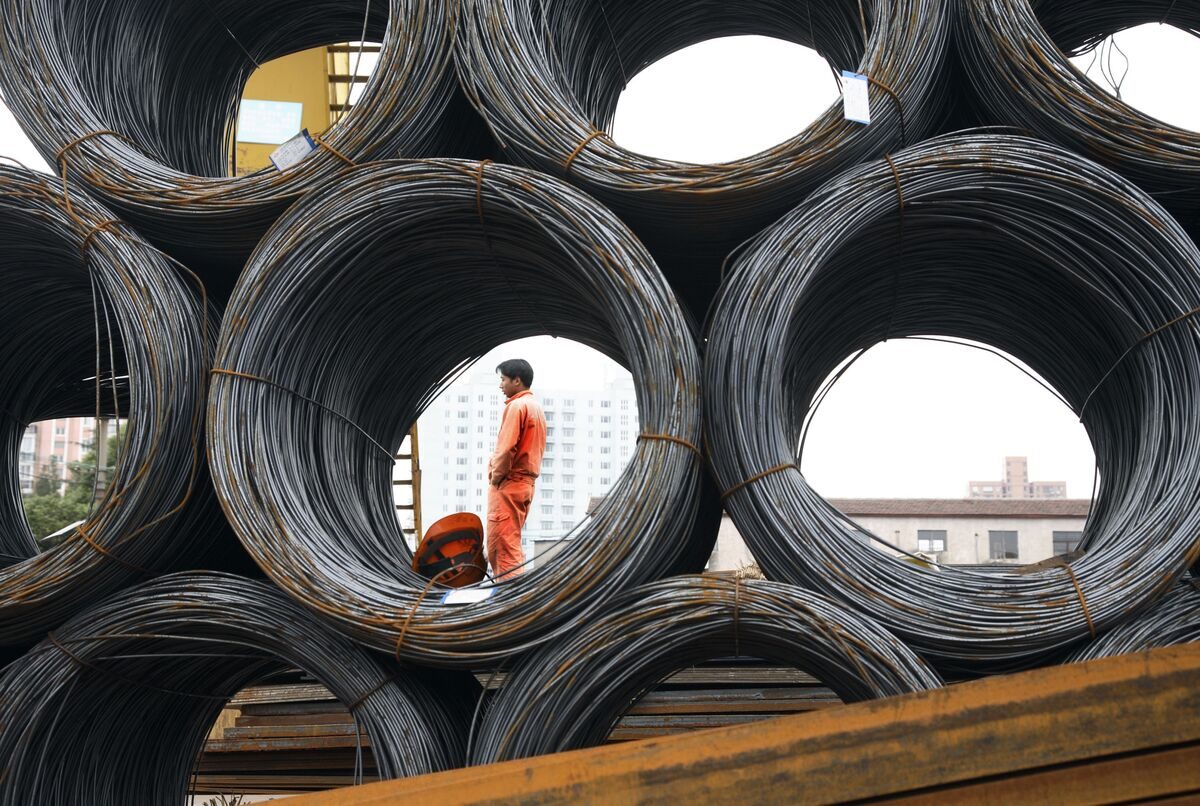
Iron Ore Prices Surge Amid China’s Mega Dam Project and Industrial Overcapacity Controls
Introduction
The global iron ore market has experienced a notable uptick in prices, with iron ore and steel trading near four-month highs. This bullish trend is primarily linked to China’s announcement of a large-scale dam construction project in Tibet, alongside Beijing’s ongoing efforts to tackle industrial overcapacity in the steel sector. These developments have collectively bolstered demand expectations and enhanced market sentiment, impacting commodity prices worldwide.
Key Details
- China Initiates Mega Dam Construction: The Chinese government revealed plans to build a major hydroelectric dam in Tibet, a project expected to require substantial quantities of steel and iron ore.
- Efforts to Curb Overcapacity: Beijing has intensified regulatory measures aimed at reducing excess production capacity in steel manufacturing to ensure sustainable growth and environmental compliance.
- Market Response: Iron ore futures and steel prices have climbed steadily, reflecting improved demand outlooks and investor confidence.
- Global Supply Impact: China, as the world’s largest consumer of iron ore, plays a pivotal role in shaping global commodity markets, amplifying the significance of its infrastructure and industrial policies.
Background
China’s steel and iron ore markets are deeply intertwined with the nation’s broader economic and infrastructural strategies. The country consumes over half of the world’s iron ore, primarily imported to feed its vast steel industry. Historically, rapid industrialization and urbanization have driven surges in steel demand, which are now further influenced by government policies focused on sustainability and capacity optimization.
The announcement of the mega dam project in Tibet is emblematic of China’s continuing commitment to large infrastructure undertakings aimed at boosting energy production and regional development. Hydroelectric dams require significant amounts of steel for construction, which naturally propels demand for iron ore. This infrastructure push arrives at a time when China is concurrently implementing stringent measures to reduce steel production overcapacity, a long-standing issue that has weighed on prices and profitability.
Analysis
The simultaneous occurrence of these two events—launching a major dam project and enforcing overcapacity curbs—creates a complex but ultimately positive dynamic for iron ore and steel markets. On one hand, the mega dam initiative signals robust demand for raw materials, reassuring producers and investors of steady consumption. On the other hand, efforts to restrain overcapacity help stabilize prices by preventing excessive supply, which has historically led to volatility and price declines.
China’s policy approach reflects a balancing act between fostering growth and addressing environmental and economic sustainability concerns. By prioritizing key infrastructure projects while trimming inefficient production, the government aims to sustain healthier market conditions. This strategy not only supports domestic industry but also influences global commodity markets, as fluctuations in Chinese demand often ripple through international supply chains.
Market participants are likely to monitor ongoing policy implementations closely, as further regulatory tightening or expansion of infrastructure projects could either reinforce or unsettle current pricing trends. Additionally, external factors such as global economic conditions, trade dynamics, and raw material supply disruptions remain relevant to the iron ore price trajectory.
Conclusion
The recent surge in iron ore and steel prices underscores the significant impact of China’s domestic policies on global commodity markets. The dual forces of ambitious infrastructure development in Tibet and rigorous control of industrial overcapacity have combined to enhance market sentiment and price stability. As China continues to navigate its developmental and environmental goals, the iron ore sector is poised to remain sensitive to policy shifts and infrastructure demands, making it a key focus area for investors and analysts worldwide.