iOS 26: New Features and Compatibility Changes Impacting Older iPhones
Introduction
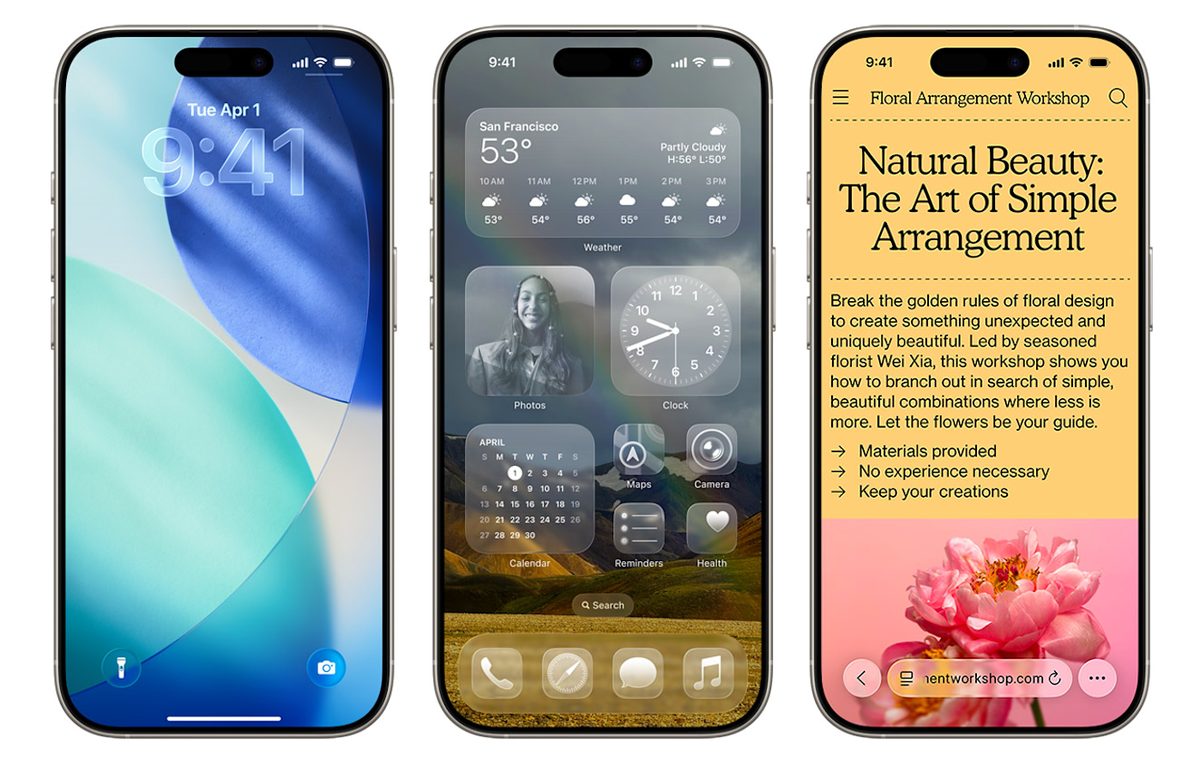
Apple has officially launched the public beta for iOS 26, which is expected to roll out in full later this fall. With this update, the tech giant introduces a collection of new features and a fresh design known as the Liquid Glass design. However, a notable impact of this update is the reduction in the number of iPhone models eligible to run the new operating system. This article delves into the key features of iOS 26, which iPhones will support it, and the implications for users of older devices.
Key Details
iOS 26 introduces the Liquid Glass design, marking a significant visual update.
Several older iPhone models, specifically those released in 2018, will not be able to upgrade to iOS 26.
Compatible models include iPhone SE (second generation and later), iPhone 11 series, iPhone 12 series, iPhone 13 series, iPhone 14 series, and the latest iPhone 15 series.
New features include a redesigned Phone app, Live Translate functionality, and the ability to create polls in group messages.
iOS 26 is expected to be officially released in mid-September, coinciding with the launch of new iPhones.
Background
Apple's strategic decision to enhance its operating system with iOS 26 reflects ongoing trends in technology and user experience. The Liquid Glass design aims to provide a cohesive and modern interface across Apple's ecosystem, reminiscent of previous significant updates, yet distinctly innovative. This design shift is a response to user preferences for more visually appealing experiences.
Historically, Apple has maintained a relatively inclusive approach to iOS compatibility, allowing multiple older models to run the latest software. However, the trend appears to be shifting, as seen with iOS 26, where models like the iPhone XR, XS, and XS Max, released in 2018, are no longer supported. This change suggests Apple's commitment to focusing on performance and security enhancements that may be incompatible with older hardware.
Impact Analysis
The decision to cut off support for older models has significant implications for users. For those who own an iPhone XR, XS, or XS Max, the inability to upgrade means they will miss out on important security updates and features, potentially leaving their devices vulnerable to malware. Furthermore, as app developers continue to optimize their applications for the latest iOS versions, users with older devices may find that critical apps become incompatible over time.
"As we move forward with technology, it becomes increasingly important for devices to keep pace with software advancements to ensure user security and a seamless experience," noted an industry analyst.
This sentiment underscores the importance of keeping devices updated, not just for new features, but for overall device integrity and safety. Users who wish to continue using unsupported models might need to consider the trade-offs, including the risk of outdated security measures and the potential need to purchase new devices in the near future.
Broader Context
Apple's continuous evolution in software and hardware is indicative of broader market trends where device manufacturers are increasingly prioritizing performance and user experience over backward compatibility. This trend can be seen across the tech industry, where companies are pushing for newer technologies that may not support older devices. For many consumers, this means regular upgrades and the associated costs, which can be a burden.
As Apple prepares for the official launch of iOS 26, it remains to be seen how consumers will respond to these changes. While many will welcome the new features and interface enhancements, others may feel pressured to upgrade their devices sooner than they anticipated. This dynamic will likely foster discussions about device longevity and sustainability within the tech community, as users contemplate the lifecycle of their devices against rapid technological advancements.
Future Outlook
The upcoming release of iOS 26 has heightened anticipation for the iPhone 17 launch. Analysts speculate that this new generation of iPhones will incorporate even more advanced features aligned with the new operating system. Moreover, Apple’s recent push towards improving security and user privacy suggests future iOS updates will continue to implement stringent measures to protect users.
As the tech landscape evolves, Apple has the opportunity to reinforce its leadership position by ensuring that its software not only remains cutting-edge but also supports a growing range of devices. The company's approach to compatibility will likely influence user loyalty, as customers weigh the benefits of upgrading against potential risks of using outdated technology.
Conclusion
In conclusion, the launch of iOS 26 marks a pivotal moment for Apple and its users. With significant updates and a clear shift in compatibility, users of older iPhone models must weigh their options carefully. While the Liquid Glass design and new features promise an enticing user experience, the exclusion of older devices from the update highlights the ongoing evolution of mobile technology and the necessity for users to stay informed and proactive regarding their devices.