The Longevity of Human Egg Cells: A Biological Marvel
The Longevity of Human Egg Cells: A Biological Marvel
Introduction
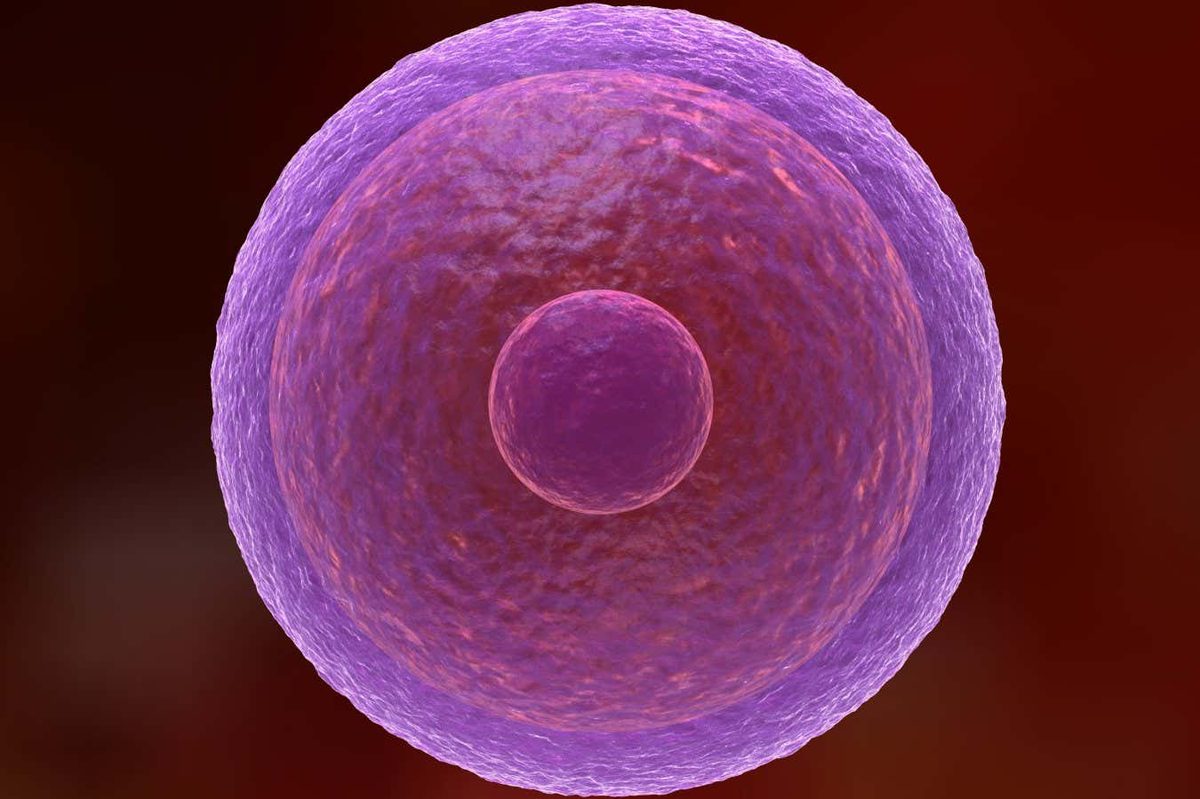
In the intricate landscape of human biology, few phenomena are as remarkable as the longevity of human egg cells, or oocytes. Unlike most other cell types which have relatively short lifespans, oocytes can remain viable for up to five decades. This extraordinary capacity raises fascinating questions about the mechanisms that enable such durability and the implications it has for fertility and reproductive health.
Key Details
- Longevity of Oocytes: Human egg cells retain their viability far longer than other cells, with the ability to remain in a dormant state for decades.
- Cellular Processes: The longevity of these cells is attributed to their ability to slow down their metabolic activities, effectively pausing their biological clock.
- Reproductive Health Implications: Understanding the mechanisms behind oocyte longevity could lead to advancements in fertility treatments and reproductive technologies.
- Age-Related Fertility Decline: As women age, the number and quality of their oocytes decline, which is a major factor in age-related infertility.
- Research Advances: Ongoing research is focused on uncovering the genetic and biochemical pathways that contribute to oocyte longevity.
Background
The life cycle of human cells is generally marked by a continuous cycle of growth, division, and eventual death, a process known as apoptosis. However, human oocytes exhibit a unique behavior that differentiates them from other cell types. They enter a state of meiotic arrest, where they remain suspended in development until ovulation occurs, sometimes decades later.
This unusual prolonged dormancy raises significant questions about the maintenance of cellular integrity over such an extended period. Factors such as oxidative stress, DNA damage, and age-related decline typically compromise cell health. However, oocytes appear to possess mechanisms that protect them from these detrimental influences, allowing them to remain in a dormant state without succumbing to the usual cellular decay.
Analysis
The ability of human egg cells to remain viable for decades is not only a biological curiosity but also a key factor in understanding human fertility. As women age, the decline in the number and quality of oocytes becomes a prominent issue, often leading to challenges in conception. While younger women may have a larger reserve of healthy oocytes, this reserve diminishes with age, leading to increased risks of infertility and genetic abnormalities in offspring.
Recent studies suggest that the mechanisms behind oocyte longevity may involve complex genetic and molecular pathways, including the regulation of cellular metabolism and the maintenance of DNA integrity. Understanding these pathways could pave the way for innovative fertility treatments, such as techniques to rejuvenate aging oocytes or improve the conditions for preserving them.
Moreover, the implications extend beyond individual reproductive health. As societal trends shift towards later childbirth, the understanding of oocyte longevity becomes crucial. Fertility preservation techniques, such as egg freezing, are becoming increasingly popular among women who wish to delay childbirth for personal or professional reasons. Insights into the biology of oocytes can enhance these techniques, improving the success rates of preserved egg cells and addressing the concerns of infertility in later life.
Conclusion
The remarkable longevity of human egg cells highlights a unique aspect of human biology that intertwines with the complex realities of reproductive health. As research continues to unveil the underlying mechanisms that enable this cellular endurance, there is potential for significant advancements in fertility science. By unlocking the secrets of oocyte longevity, we may not only enhance our understanding of reproductive biology but also empower individuals with more options regarding their reproductive choices.