From Metal Cages to Crash-Tested Seats: The 71% Life-Saving Evolution of Child Car Seats
Introduction
Child car seats are indispensable safety devices, credited with saving countless young lives annually. When used correctly, they can reduce the risk of death in car crashes by an astonishing 71 percent. This statistic is particularly vital given that traffic accidents remain the leading cause of death for children aged one to 13. However, the journey to today's highly effective car seats has been a long and winding road, marked by decades of innovation and, at times, questionable design choices.
Key Details
- Car seats can reduce the risk of death for children in car crashes by up to 71 percent.
- Traffic accidents are the leading cause of death for children aged 1 to 13.
- Early car seats (1930s-1940s) often featured dangerous metal frames with no restraints.
- The Jeenay Car Seat, invented in 1962, was one of the first designed for backseat use and featured a harness.
- Ford's "Tot Guard" (1967) used a padded shield and lap belt.
- Canada mandated tethers for forward-facing seats in 1980; the US followed two decades later.
- By 1985, all US states mandated car seat use, with Australia launching a similar promotion scheme.
- Modern car seats undergo rigorous crash testing, a practice that began formally in 1972 with Consumers Union.
Background
The history of child car seats is a stark contrast to the safety standards we expect today. In the early days, particularly the 1930s and 1940s, the primary concern was often preventing children from interfering with the driver. Seats frequently consisted of metal frames, offering little to no protection in a crash. Some even attached to the exterior of the vehicle, prioritizing a view over safety. Children often rode unrestrained in the front seat, a practice now considered extremely dangerous for anyone under 12.
Impact Analysis
The introduction of restraints and harnesses marked a significant turning point. Jean Ames's Jeenay Car Seat in 1962, designed for the backseat and equipped with a harness, represented an early step towards genuine safety. Ford's Tot Guard in 1967, with its padded shield, further illustrated a growing awareness of protecting a child's head and face. The mandatory tethering of seats in Canada in 1980 and later in the US, along with widespread legal mandates for car seat use by 1985 in the US and similar initiatives in Australia, fundamentally changed child passenger safety. These legislative and design advancements have directly contributed to the dramatic reduction in child fatalities, transforming car seats from mere carriers into sophisticated safety systems.
Broader Context
The evolution of car seats mirrors broader societal shifts in understanding child welfare and safety regulations. Public awareness campaigns, like Australia's Bassinet Loan Scheme in 1985 and the UK's THINK! campaign launched in 2000, have played crucial roles in promoting correct usage and highlighting the importance of these devices. Even the involvement of public figures, such as Princess Diana and Prince Charles in supporting the Australian initiative, underscored the growing societal recognition of child safety in vehicles. The development of formal testing protocols, initiated by organizations like Consumers Union in 1972, provided the empirical data needed to drive further improvements and regulatory standards.
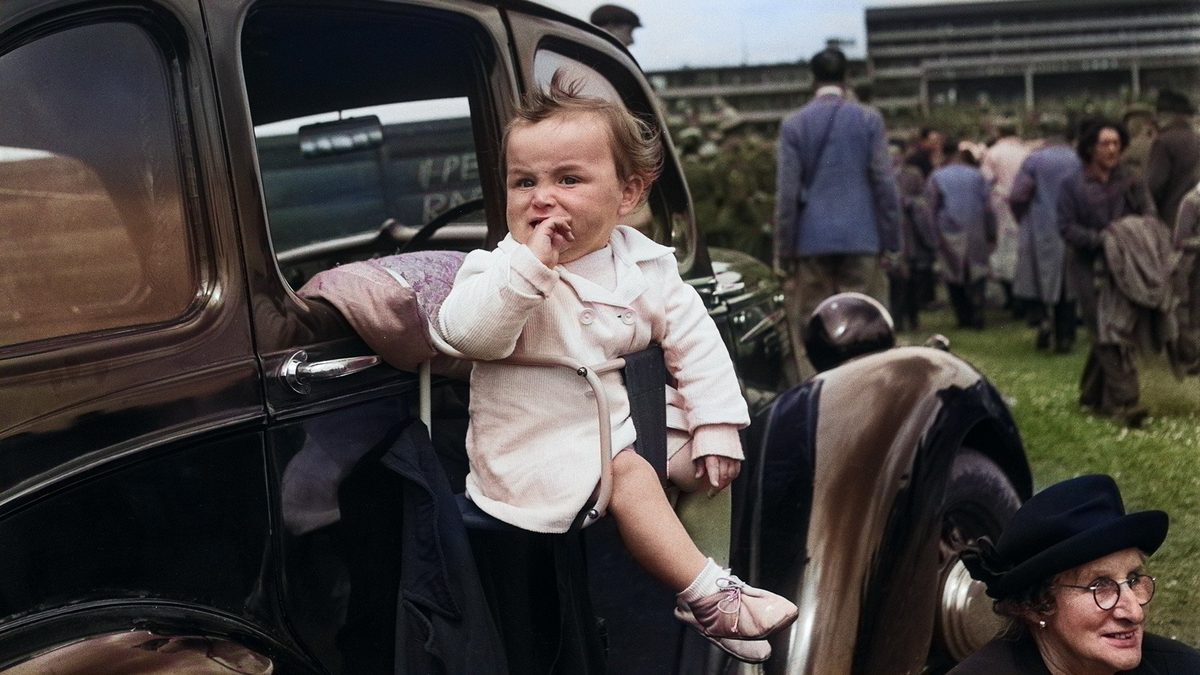
The early days of children’s car seats were less about safety and more about making sure your baby wasn’t crawling around the gas pedal, clutch, or brakes.
Future Outlook
While today's car seats are remarkably safe, the pursuit of enhanced protection continues. Ongoing research focuses on improving crash test dummy technology, developing advanced materials, and exploring new restraint systems. Innovations like integrated safety features and seats designed for specific developmental stages are likely to emerge. The focus will remain on maximizing protection against all types of collisions and ensuring ease of correct installation and use for parents.
Conclusion
The journey from rudimentary metal frames to the advanced, crash-tested car seats of today is a testament to decades of innovation, advocacy, and evolving safety standards. The dramatic reduction in child fatalities is a direct result of these advancements. As we look back at the often bizarre and sometimes dangerous designs of the past, we can appreciate the critical role these safety devices play in protecting our most vulnerable passengers, a role that has undoubtedly saved millions of lives.
Source: popsci.com