Backyard Bird Feeders: A Silent Threat in Australia's H5N1 Outbreak
Introduction
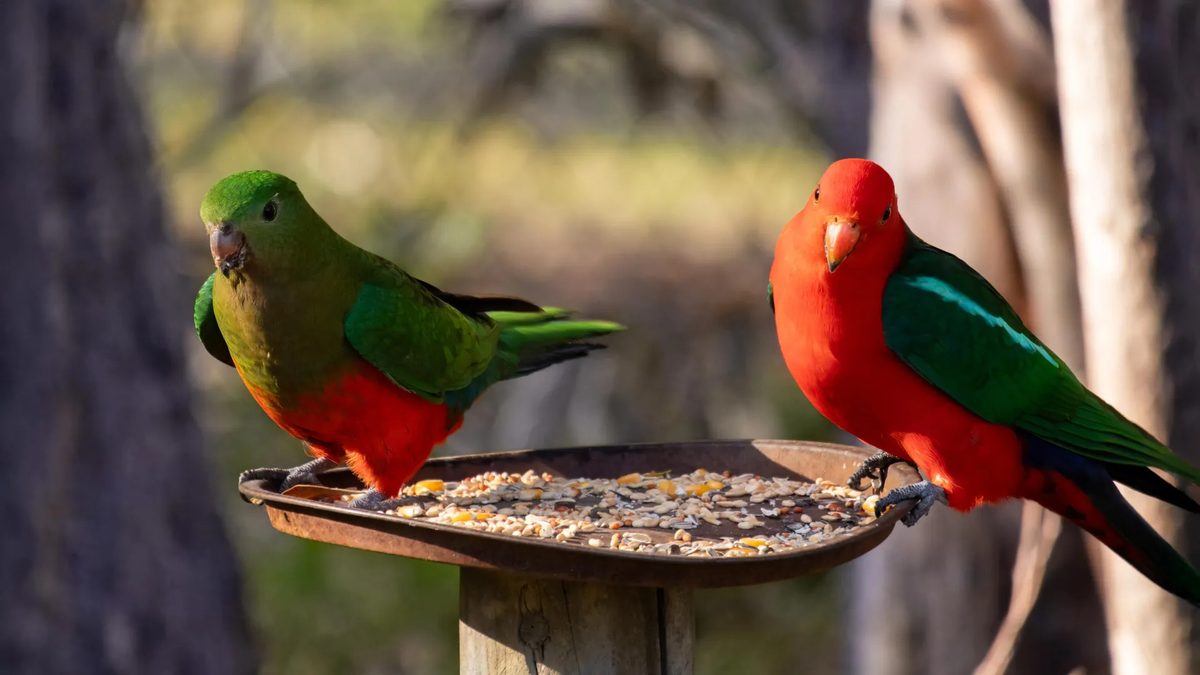
Australia is currently grappling with a concerning outbreak of the H5N1 avian influenza virus, a pathogen that has already caused widespread devastation to bird and mammal populations globally. While the virus spreads through wild bird populations, a common and beloved pastime in Australia—backyard bird feeding—is emerging as a significant factor that could be amplifying the crisis. This practice, enjoyed by roughly half of Australian households, inadvertently creates conditions ripe for disease transmission, turning otherwise harmless garden gatherings into potential superspreader events.
Key Details
- The H5N1 strain of bird flu is spreading rapidly across Australia.
- Recent outbreaks have led to the deaths of over 1,000 crested terns and a mainland mammal, a long-nosed fur seal.
- Backyard bird feeders attract diverse bird species in unnatural concentrations, increasing the risk of H5N1 transmission.
- The virus can also affect scavenger mammals and, rarely, humans who have close contact with infected wildlife.
- Experts recommend ceasing bird feeding as the safest measure.
- Alternative precautions include reducing the amount of food offered, avoiding hand-feeding, and rigorous cleaning of feeders and equipment.
- Most birds rely on natural food sources and can thrive without supplementary feeding.
- Report sightings of sick or dead wildlife to the Emergency Animal Disease Hotline on 1800 675 888.
Background
Bird feeding in backyards is a deeply ingrained practice in Australia, often stemming from a genuine desire to help wildlife or simply to enjoy the presence of native birds. Many people believe they are providing a vital service, especially during perceived lean times for avian populations. However, the reality is that supplementary feeding can inadvertently create significant risks. The core issue lies in how feeding stations disrupt natural behaviors and flock dynamics. When humans provide food, it attracts a multitude of bird species, often in numbers and combinations not typically seen in the wild. This congregation, while visually appealing, becomes an ideal environment for pathogens like H5N1 to spread rapidly from bird to bird.
Impact Analysis
The H5N1 virus poses a severe threat to avian biodiversity. For already vulnerable species, such as the critically endangered orange-bellied parrot, an outbreak facilitated by backyard feeders could push them closer to extinction. The impact, however, is not limited to birds. Scavenging animals, including possums and foxes, can contract the virus by consuming infected carcasses left at feeding sites. While human transmission of H5N1 is rare and typically results in mild symptoms, the risk is not negligible, particularly for individuals who regularly handle wildlife, such as veterinarians and wildlife carers. The current outbreak in Australia, marked by significant die-offs in seabirds and the first confirmed mainland mammal infection, underscores the escalating threat.
Broader Context
The phenomenon of backyard bird feeding and its associated risks is not unique to Australia. Globally, human-wildlife interactions, especially those involving supplementary feeding, are increasingly recognized as potential drivers of disease transmission. This situation highlights a broader tension between human desire for connection with nature and the ecological consequences of our actions. As urbanization continues and natural habitats shrink, more people seek wildlife encounters in their immediate surroundings. Practices like bird feeding, while well-intentioned, can inadvertently create ecological imbalances and facilitate the spread of zoonotic diseases, underscoring the need for greater public awareness and responsible engagement with wildlife.
“The food we provide is a snack, not an essential meal. Most birds that visit feeders obtain most of their nutrition from natural sources.”
Future Outlook
The immediate future requires a concerted effort to curb the spread of H5N1. For bird feeders, the most effective strategy is to cease feeding altogether. This simple measure drastically reduces the likelihood of birds congregating and thus limits transmission opportunities. For those unwilling or unable to stop feeding, implementing strict hygiene protocols is paramount. This includes regularly cleaning feeders with a bleach solution and minimizing the amount of food offered to discourage large gatherings. Avoiding direct contact, such as hand-feeding, is also crucial. Public education campaigns will be vital in conveying these messages and encouraging responsible behavior. The long-term outlook depends on a collective shift towards understanding and respecting the ecological needs of wild birds, recognizing that our interventions, however well-meaning, can have unintended and detrimental consequences.
Conclusion
The current H5N1 outbreak in Australia serves as a stark reminder that seemingly innocuous activities can have significant ecological repercussions. Backyard bird feeding, a popular pastime, has the potential to exacerbate the spread of this deadly virus by creating artificial gathering points for diverse bird species. While the impulse to feed wild birds is often driven by affection, the risks associated with disease transmission—to birds, other wildlife, and potentially humans—necessitate a re-evaluation of this practice. Adopting preventative measures, ranging from complete cessation of feeding to stringent hygiene and reduced offerings, is essential for protecting both wildlife and public health. Responsible engagement with nature requires acknowledging the potential downsides of our actions and prioritizing the well-being of the ecosystems we inhabit.
Source: sciencedaily.com